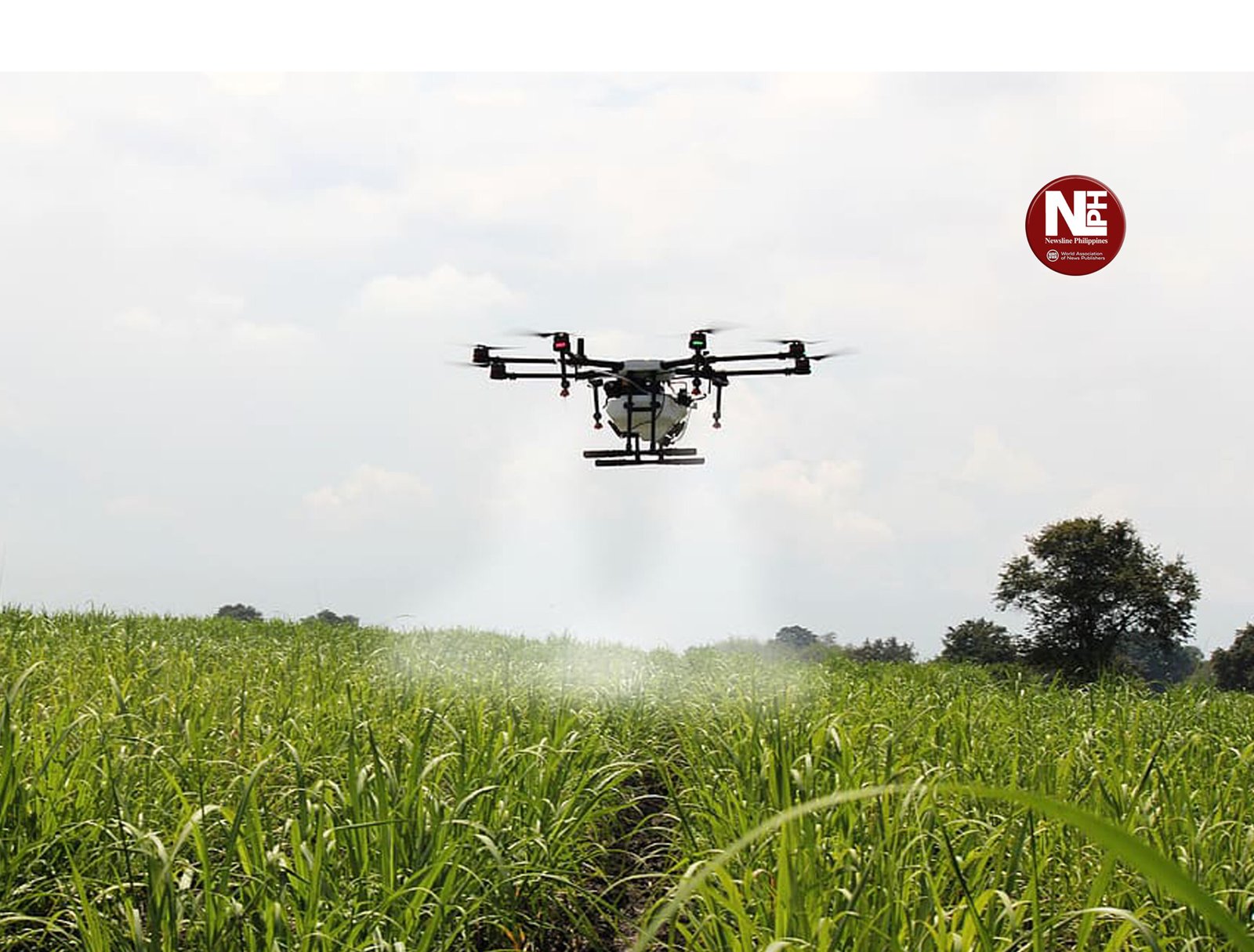
MANILA (October 13) — Drones are proving to be just as effective as traditional backpack sprayers in controlling weeds in wet-seeded rice fields, according to new research by the Philippine Rice Research Institute (PhilRice). The findings could pave the way for more efficient, less labor-intensive farming in the country’s rice-producing areas.
PhilRice conducted the study in partnership with Central Luzon State University and the Department of Agriculture Research Outreach Station for Lowland Development. The experiment compared herbicide application using drones at 20 and 40 liters per hectare with conventional backpack sprayers, unweeded plots, and manually weeded plots.
Same weed control, less labor
The results showed that drone spraying at 20 liters per hectare achieved 80 to 100 percent weed control, performing on par with backpack sprayers — but with significantly reduced labor requirements. Researchers also noted no chemical damage to the rice plants, and the drone-treated plots matched backpack sprayers in delivering the highest grain yields.
“This gives us a concrete basis for developing future standards and best practices in drone-based pest control,” said PhilRice weed scientist Dindo King Donayre.
Modernizing farm practices
PhilRice said drones offer practical advantages in large fields and hard-to-access areas, where manual spraying is slow and labor-intensive. Integrating drones into weed management could help farmers cut costs, reduce exposure to chemicals, and boost productivity.
The trial is part of PhilRice’s broader integrated pest management program, which explores how drone spraying can be combined with seeding and fertilizer application to streamline farming operations.
Next steps: scaling up
The institute said further trials will be conducted in different sites to assess the economic feasibility and long-term impact of drone adoption. Researchers aim to develop guidelines to make the technology more accessible to local farmers and cooperatives.
“Drone technology can be a game-changer for Philippine rice farming — especially in areas facing labor shortages,” Donayre said.