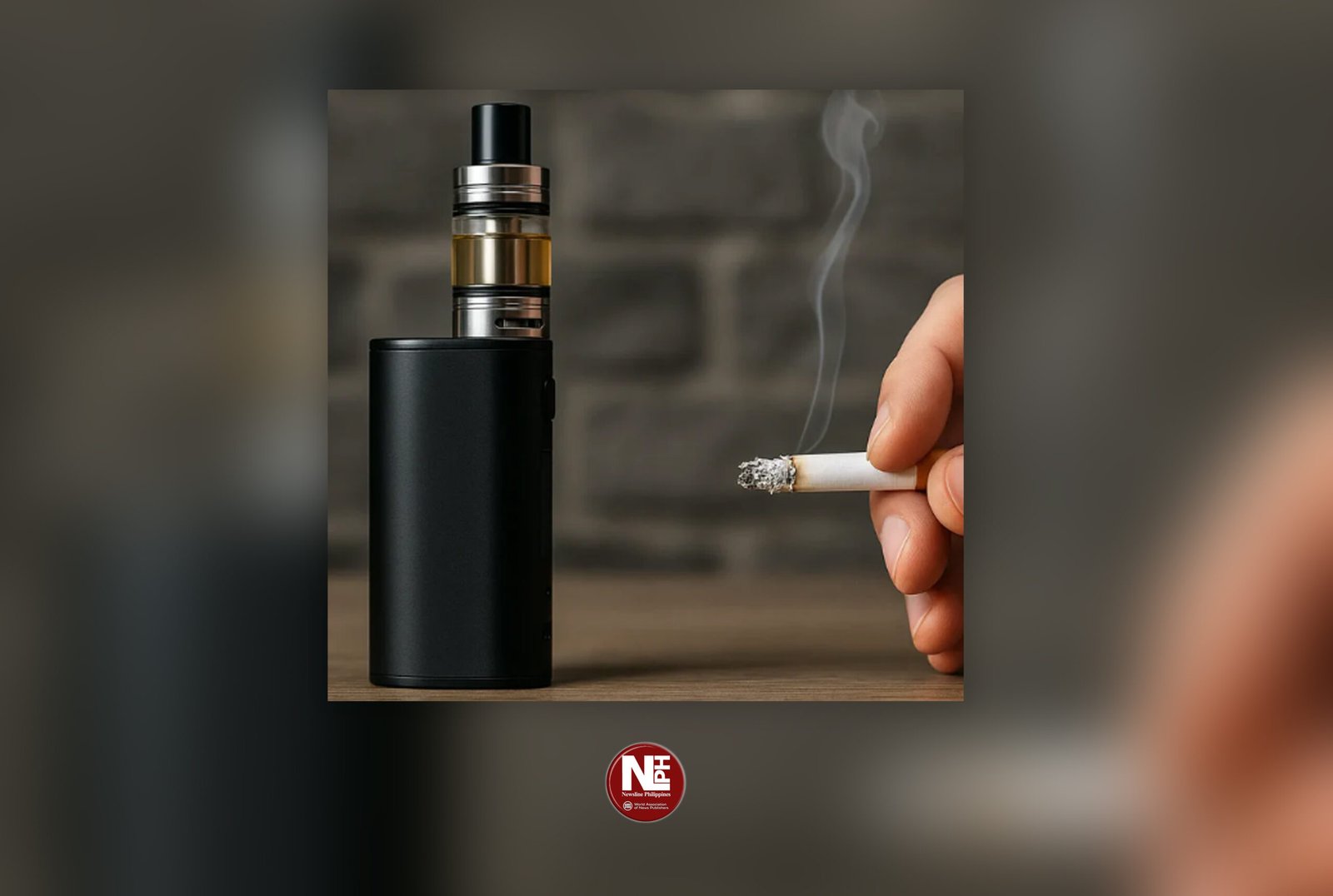
DAVAO CITY (December 3) — A new nationwide study raises the alarm over what health advocates say is a fast-escalating public health crisis in Mindanao: the surge of illicit vape and cigarette use among young adults — a trend that communities are beginning to feel in schools, homes, and public spaces.
The CARMA study, which surveyed more than 1,100 cigarette and vape users nationwide, found that illegal nicotine products have become so accessible and normalized that many young Mindanaoans now see them as part of daily life — despite health risks, legal penalties, and the presence of some of the country’s strictest local tobacco controls.
Mindanao leads the country in illicit use — and youth are caught in the middle
Mindanao posted the highest rates of illicit tobacco consumption in the Philippines.
In Northern and Southern Mindanao, 72% of smokers admitted to buying illegal cigarettes. Awareness is similarly high: 84% of Southern Mindanao smokers say illegal products are readily available in their communities.
Among youth, exposure is even sharper.
The 19–24 age group logged the highest illicit purchasing rate at 59%, while in Southern Mindanao vapes have become the second most commonly used nicotine product, with:
- 58% using vape devices
- 61% vaping daily
For many families, this translates to a visible rise in students using devices in schools, more young workers spending on cheap sticks or disposable pods, and barangays confronting a new generation hooked on unregulated products.
The ₱2 cigarette: how price is reshaping youth behavior
The single biggest driver? Price.
Illicit cigarettes in Mindanao can cost as little as ₱2 per stick or ₱40 per pack, far cheaper than the ₱120–₱130 price of legal brands.
For young, cash-strapped consumers, those prices matter — and so do the social consequences.
Community leaders say cheap illicit products:
- encourage early experimentation among minors
- deepen nicotine dependence among young adults
- strain household budgets already under pressure
- normalize risky behavior inside homes and peer groups
In Southern Mindanao, CARMA estimates 49% of all cigarettes purchased are illicit — almost half of the market.
Illegal vapes spreading through online sellers and sari-sari stores
Cheap, flavored vapes are now widely sold in online marketplaces and neighborhood stores, often with no age checks. Many units are unregistered, noncompliant with safety standards, and mislabeled — making them especially dangerous for inexperienced users.
The ease of access has changed community norms, with teachers, parents, and barangay leaders reporting an uptick in confiscated vape pens, peer-group sharing among teens, and casual use in public areas.
Health warnings work — but regulation struggles to keep up
While price drives consumption, the study shows that health messaging remains the strongest deterrent, with 70% of Southern Mindanao respondents saying tougher warnings would discourage them from buying illegal products.
But enforcement gaps continue to undermine those efforts.
Respondents admitted they often recognize illicit products — through cheaper prices and poorer packaging — but buy them anyway because “it’s what the budget allows.”
Davao City: anti-smoking pioneer now battling a new wave of illicit vapes
The findings mirror ongoing concerns in Davao City, once hailed for pioneering strict anti-smoking regulations.
Councilor Rachel Zozobrado called the influx of illicit vape products “a slap to our legacy,” warning that unregulated vapes are undoing years of community-level health gains.
During an October joint hearing, city officials urged national agencies to step up enforcement, share data more quickly, and clamp down on the illegal supply chain.
National leaders push back: “Very low” conviction rates for smuggling
Senator Win Gatchalian cited the “very low” conviction rate for smuggling cases as a key barrier to progress. Former Finance Secretary Ralph Recto has also stressed the need to calibrate excise policies to avoid unintentionally pushing consumers toward the black market.
Communities bear the social cost
As illicit nicotine products spread, Mindanao communities are seeing the ripple effects:
- younger users starting earlier
- families spending more on addiction-driven habits
- classrooms coping with discreet, daily vaping
- barangays reporting more minors involved in the illegal market
- weakened public health campaigns fighting for relevance