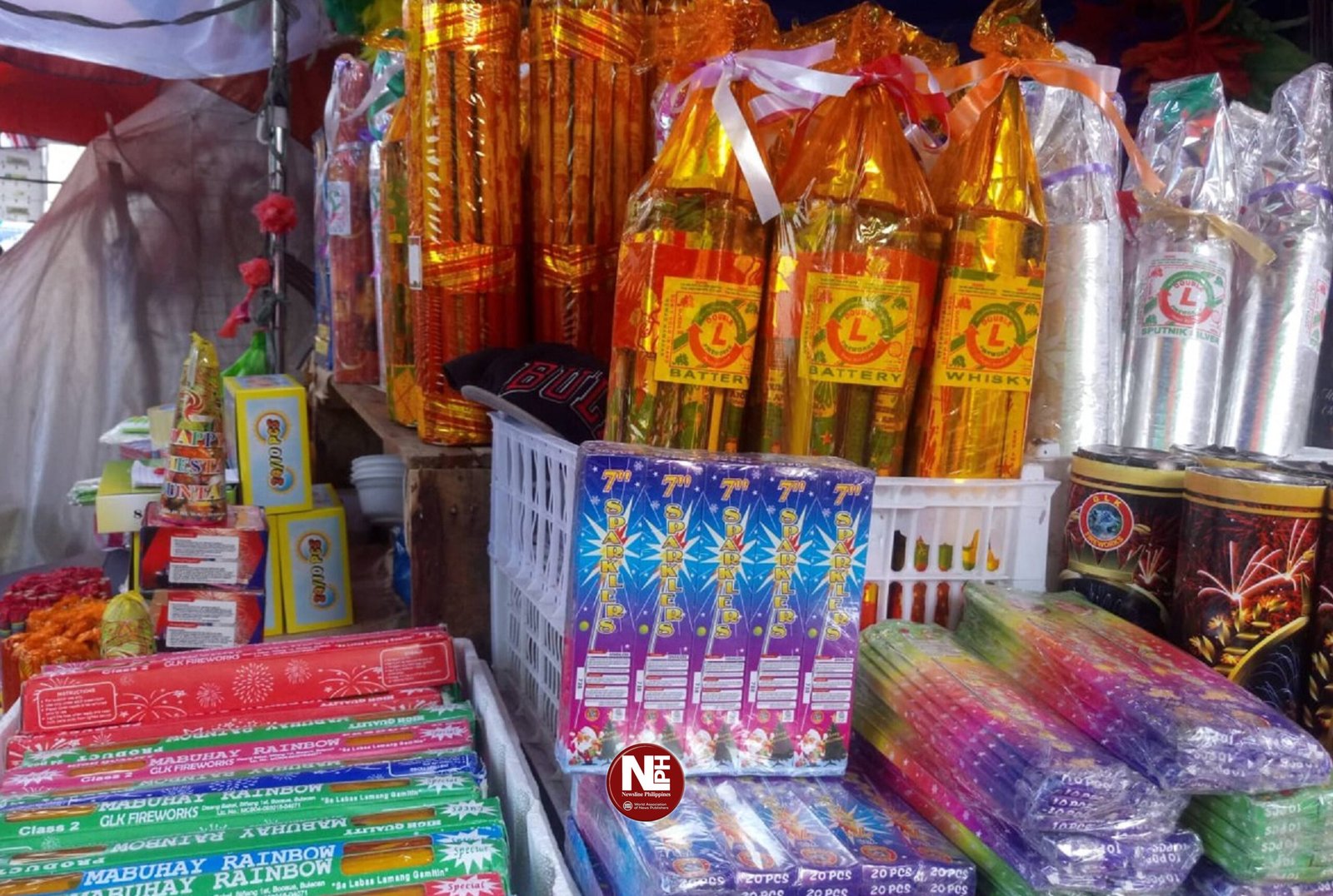

MANILA (December 4) — With holiday demand pushing pyrotechnics production into its most dangerous season, the Department of Labor and Employment (DOLE) has ordered all regional offices to intensify monitoring of firework manufacturers and sellers amid long-standing concerns over workplace explosions, injuries, and the broader social toll unsafe practices inflict on communities.
Under Labor Advisory No. 18, DOLE instructed its regional personnel to ensure strict compliance with the Occupational Safety and Health Standards (OSHS) under Republic Act 11058 across companies involved in the manufacture, distribution, and sale of pyrotechnics.
“In coordination with the Bureau of Fire Protection, Philippine National Police, and local government units, all Regional Directors are directed to monitor establishments’ compliance… to prevent workplace accidents,” DOLE said.
Regional offices must submit their monitoring reports to the Bureau of Working Conditions by mid-January 2026.
Holiday boom, heightened danger
December has historically been the most hazardous period for pyrotechnics workers — many of whom operate in cramped, makeshift facilities where a single spark or chemical mishandling can lead to devastating explosions.
Labor Secretary Bienvenido Laguesma stressed that increased holiday economic activity must not come at the cost of workers’ lives. DOLE has simultaneously begun year-end inspections of high-risk workplaces under Labor Advisory No. 14, including pyrotechnics plants, construction sites, transport terminals, and facilities with boilers and electrical systems.
“These checks are essential so the holiday rush does not come at the expense of worker safety and legal compliance,” Laguesma said.
The unseen fallout: communities pay the price
Beyond workplace injuries, DOLE underscored that lapses in pyrotechnics safety carry heavy social costs extending far beyond factory walls.
For many communities, the consequences of unsafe operations are long remembered:
- Families lose breadwinners. A single explosion can leave households impoverished overnight.
- Children suffer silently. When adults are injured, children drop out of school to fill the income gap.
- Neighborhoods face displacement and trauma. Blasts can destroy homes, force evacuations, and leave survivors deeply shaken.
- Local economies take a hit. Many pyrotechnic businesses are micro-enterprises; when they shut down due to accidents, vendors and communities lose much-needed seasonal income.
- Public health systems are strained. Burn injuries require costly long-term care, often burdening public hospitals.