CAGAYAN DE ORO (January 8) — While the Philippines closed 2025 with an average inflation of 1.7 percent, its lowest in nine years, the experience of price changes varied across Mindanao’s regions as households adapted to shifting food, transport, and utility costs. PSA RSSO
BARMM: Deflation eases household costs, but supply issues remain
In the Bangsamoro Autonomous Region in Muslim Mindanao (BARMM) — one of the poorest regions in the country — prices actually fell (deflation) earlier in the year. For example, headline inflation dropped to as low as –1.3 percent in April 2025, one of the lowest rates in the country, driven by lower food and fuel prices. rssobarmm.psa.gov.ph
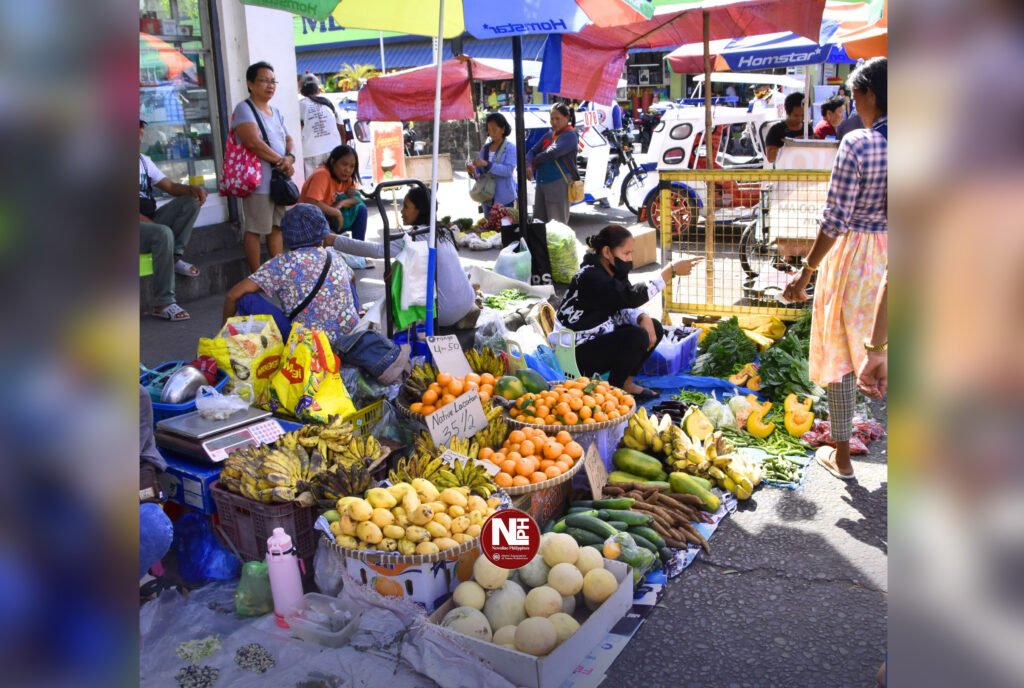
At the Marawi public market, vegetable vendor Sitti Laila said prices for staple produce have been “more affordable this year,” but added that “transport to remote areas still makes basic goods expensive.” Commuter Amir, who works in Cotabato City, agreed: “I pay less for fish and rice now, but fuel and ferry costs sometimes jump without notice.”
Regional deflation brought improved purchasing power for many families, though local traders warn that uneven supply — especially for fresh produce — still causes sharp price swings from town to town.
Davao Region: Steady but modest inflation
In Davao Region, inflation stayed positive but subdued compared with the national average. In March 2025, headline inflation was reported at about 0.6 percent, significantly lower than the same period in 2024. Philippine Statistics Authority
At the Davao City public market, fruit vendor Joel noted, “Prices for vegetables and fruits rose during the holiday season, but overall costs didn’t surge. There’s more supply now than last year.” Commuter Rina, who travels daily for work, said fuel prices and bus fares “felt stable most of the year, though some routes rose a bit toward the end of 2025.”
Market observers say Davao’s diversified supply chain helped keep food and non‑food price increases moderate, even as holiday demand pushed certain items slightly higher in late 2025.
SOCCSKSARGEN: Persistent deflation eases pressure on incomes
In SOCCSKSARGEN, inflation trends showed negative rates for much of 2025, reflecting widespread price declines in essential goods and services. The region recorded headline inflation as low as –1.4 percent in April, making it one of the lowest in the country. Philippine Statistics Authority
Corn and rice prices were especially weak, helping push household costs down. Farmer Ramon from Koronadal City said his family spent less on rice and cooking fuel this year, “but farmgate prices for our crops didn’t rise much either, so incomes stayed tight.” Commuter Ella added that “cheaper transport costs helped my monthly budget, but sometimes markets still lack variety.”
Regional data showed that price drops in transport, electricity, and staple foods contributed significantly to SOCCSKSARGEN’s overall deflation trend, offering relief to poorer households but also raising concerns about agricultural income stability.
What the regional figures tell us
Regional inflation data from early and mid‑2025 point to very low or even negative inflation in several Mindanao areas — a contrast to the national average that was still historically low but positive. These patterns reflect a mix of stronger supply conditions, falling staple prices, and localized economic pressures:
- BARMM: deflation of around –1.3% in April as food and fuel prices fell. rssobarmm.psa.gov.ph
- Davao Region: modest inflation of about 0.6% in March. Philippine Statistics Authority
- SOCCSKSARGEN: persistent deflation (around –1.4% in April) with staples such as rice and corn driving the trend. Philippine Statistics Authority