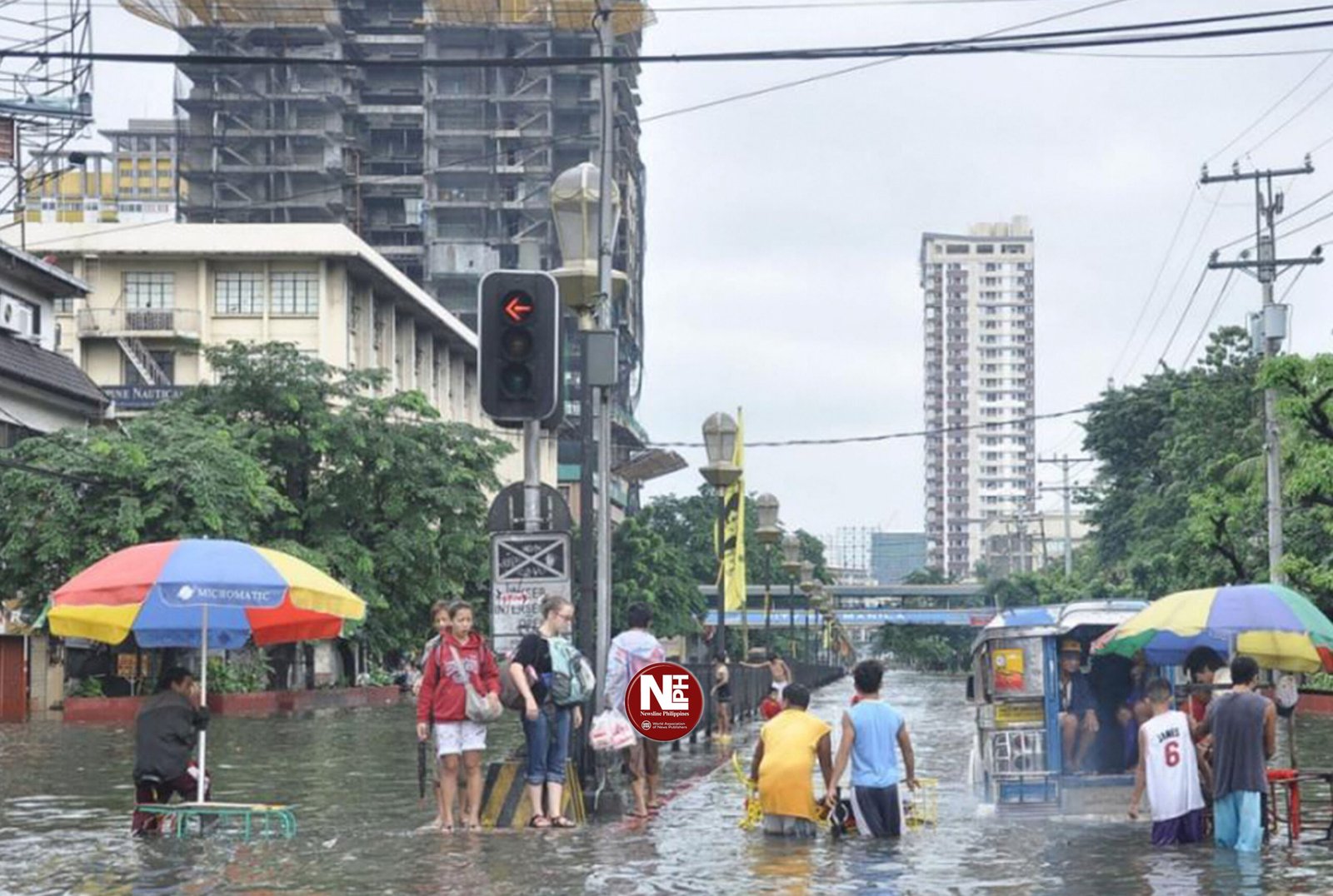
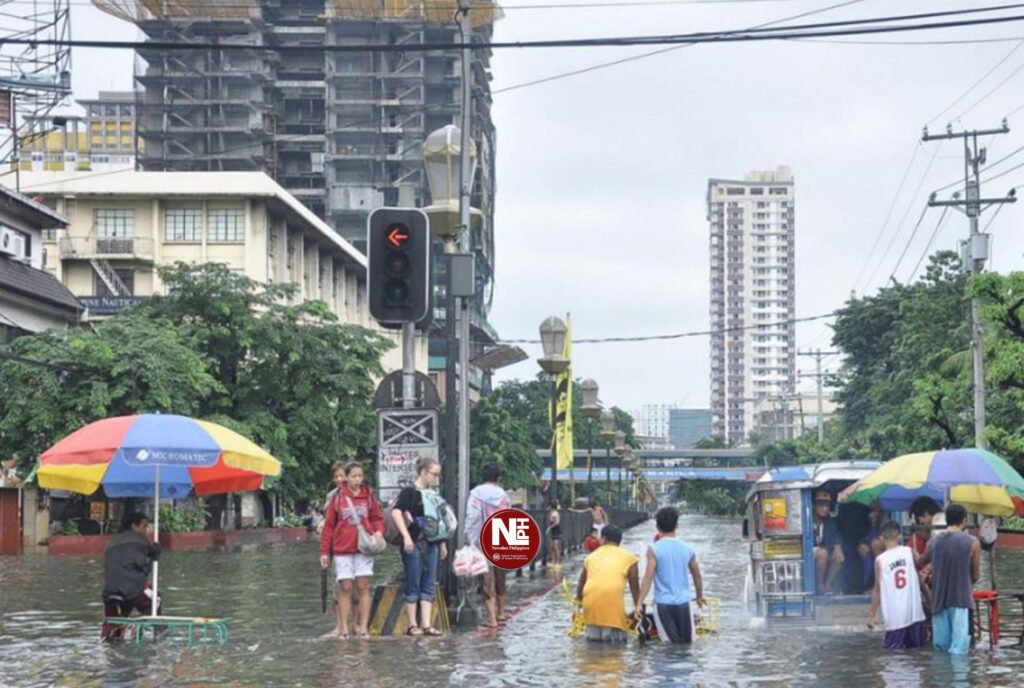
COTABATO CITY (January 13) – The Department of Environment and Natural Resources (DENR) has drafted a National Flood Management Framework aimed at unifying flood-control policies nationwide—a move with potentially transformative implications for Mindanao, where seasonal floods regularly disrupt communities and livelihoods.
The framework shifts the approach from reacting to disasters to treating floodwaters as a resource, supporting irrigation, drinking water, energy, and food security. For farmers in Central Mindanao, it could stabilize water supply for rice fields that often go parched in the dry season.
In Agusan del Norte and Agusan del Sur, the plan envisions better flood management along rivers that regularly inundate low-lying villages, protecting homes and local markets. In Bukidnon, where upland farming is prone to landslides and flash floods, integrated watershed management could prevent crop loss and soil erosion.
Yet the framework faces a stark policy vs. reality challenge. Major flood-control projects are traditionally managed independently by the DPWH and National Irrigation Administration, and local offices often prioritize immediate infrastructure over integrated water management.
While DENR now requires agency concurrence for all future projects, experts warn that without strict enforcement, the framework risks being policy on paper rather than action on the ground.
A DPWH advisory panel, including DENR Undersecretary Carlos Primo David, UP hazard expert Mahar Lagmay, and civil engineering professor Guillermo Tabios III, is tasked with guiding implementation.
Still, aligning regional offices across Mindanao’s diverse landscapes—from upland Bukidnon to the Agusan river basin and the rice paddies of Central Mindanao—remains a steep challenge.
For communities, the stakes are clear. If implemented effectively, the framework could turn floods from a hazard into a lifeline, protecting homes, stabilizing crops, and supporting local economies. If ignored or poorly enforced, Mindanaoans will continue facing annual devastation, highlighting the persistent gap between policy intent and reality.