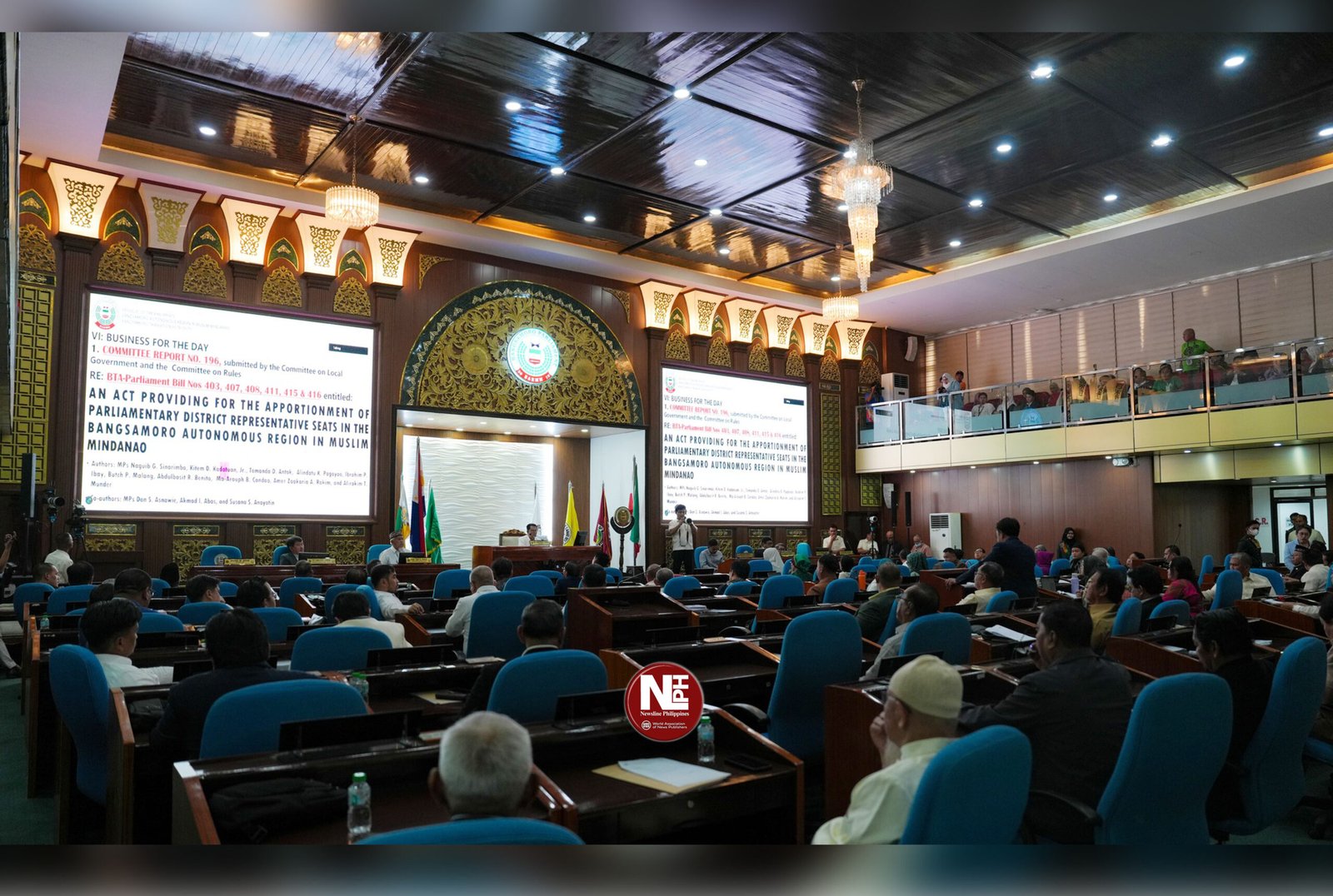
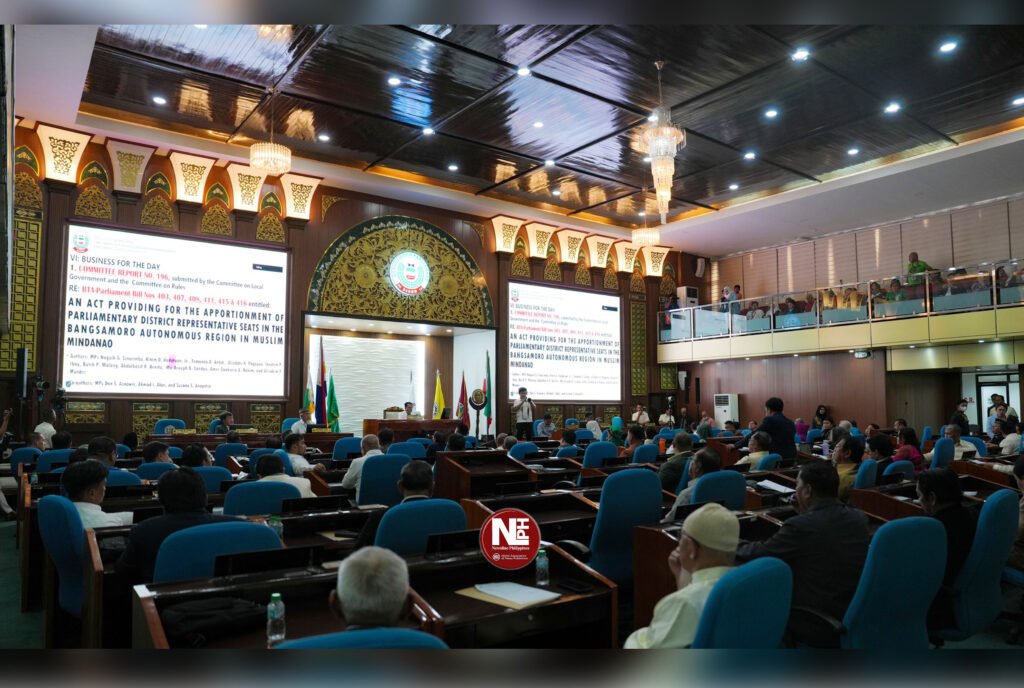
PASIG CITY (January 14) — Presidential Peace Adviser Carlito G. Galvez Jr. on Tuesday welcomed the Bangsamoro Parliament’s approval of a new districting law, describing it as a major milestone toward holding the first regular parliamentary elections in the Bangsamoro Autonomous Region in Muslim Mindanao (BARMM).
Galvez congratulated the Bangsamoro Transition Authority (BTA) for the passage of Parliament Bill No. 415, saying the measure responds to the long-standing call of the Bangsamoro people for a fully democratic and representative regional government.
The bill, approved on third and final reading during a special session on January 12, establishes 32 single-member parliamentary districts across BARMM—an essential legal requirement for the conduct of the March 2026 parliamentary elections under the Bangsamoro Organic Law and Supreme Court directives.
“The passage of a legally compliant redistricting law reflects the BTA’s resolve to uphold democratic principles, ensure inclusive representation, and realize the aspirations of our Bangsamoro brothers and sisters for self-governance,” Galvez said.
He added that the law aligns with the peace, reconciliation, and unity agenda of the Marcos administration and fulfills commitments under the Comprehensive Agreement on the Bangsamoro.
Without an approved districting framework, the Commission on Elections (Comelec) would have been unable to proceed with preparations for the regional polls.
Galvez also acknowledged Abdulraof Macacua for certifying the bill as urgent, and Parliament Speaker Mohammad Yacob for steering the measure through the Bangsamoro Parliament.
According to Galvez, the passage of the law underscores the maturity of the Bangsamoro government and its commitment to the political track of the peace process.
“By acting with urgency and responsibility, the Bangsamoro Parliament addressed a pressing issue that once threatened to delay the region’s full democratic transition,” he said.
Galvez stressed that the upcoming BARMM elections go beyond politics, calling them a cornerstone for peace, legitimacy, and people’s participation in governance.
“When citizens are empowered to elect their leaders, it reinforces trust in institutions, strengthens democratic foundations, and embeds peace and unity in society,” he said.
The peace adviser noted that the law’s approval comes after previous redistricting measures were struck down by the Supreme Court for failing to meet constitutional standards.
Despite these setbacks, Galvez said the BTA demonstrated resolve by ensuring the new law complies with legal requirements on contiguity, compactness, and equitable representation.
He urged continued cooperation among national and Bangsamoro authorities, civil society, and the public to ensure peaceful, inclusive, and credible elections, reiterating his call for Congress to formally set the election date and support voter education and logistical preparations.
“The passage of the BARMM redistricting law is a testament to the resilience of the Bangsamoro people and their leaders in pursuing democratic self-governance,” Galvez said. “It is another major stride toward lasting peace, representation, and integrity in governance—where no one is left behind.”