ISABELA CITY, Basilan (January 16) — In a province where hospitals, specialists, and advanced equipment can be hours away, knowing how to perform cardiopulmonary resuscitation (CPR) can spell the difference between life and death, a Basilan health official said Wednesday.
Dr. Nur Khar Istarul, a rural health physician and Basilan Board Member for District 2, said cardiac emergencies in geographically isolated and disadvantaged areas are often decided in the first few minutes — long before a patient reaches an intensive care unit.
“In Basilan, a heart emergency is not just a medical condition. It is a race against time,” Istarul said. “The most critical period usually happens far from an ICU, far from advanced equipment, and far from a specialist.”
When Communities Become First Responders
Istarul said CPR knowledge is essential in provinces like Basilan, where ordinary citizens often become first responders by necessity, not choice.
“If the moment comes when CPR is needed, we must be ready to act — and act correctly — because a life depends on it,” he said.
He also addressed online criticism faced by first responders after a CPR video circulated on social media, reminding the public that hesitation can be fatal.
“The biggest mistake is doing nothing,” he said. “CPR is not about being perfect. It’s about being prepared and compassionate.”
Training Over Blame
Instead of public shaming, Istarul urged wider access to formal training and a culture that encourages action during emergencies.
“Don’t let perfect be the enemy of good,” he said, calling for communities to become “CPR-ready” to bridge the gap between cardiac arrest and definitive care.
Policy Push: CPR in Schools
As a newly elected policymaker, Istarul proposed institutionalizing basic CPR or Basic Life Support (BLS) training for all senior high school students, arguing that it would ensure every household has at least one trained responder.
The proposal, he said, could be piloted and eventually legislated in coordination with the Department of Education, health institutions, and professional groups such as the Philippine Heart Association.
“This is a practical and sustainable solution, especially in provinces with long emergency response times,” he said.
Beyond Emergencies: Prevention and Systems
While CPR saves lives, Istarul stressed that prevention remains equally critical. He called for stronger efforts to promote heart-healthy lifestyles, including proper nutrition, regular exercise, tobacco cessation, and early control of blood pressure, blood sugar, and cholesterol.
He also urged continued investment in a public health system that prioritizes prevention, early detection, a supported health workforce, effective referral networks, and accessible, well-equipped hospitals — particularly in isolated provinces.
Training on the Ground
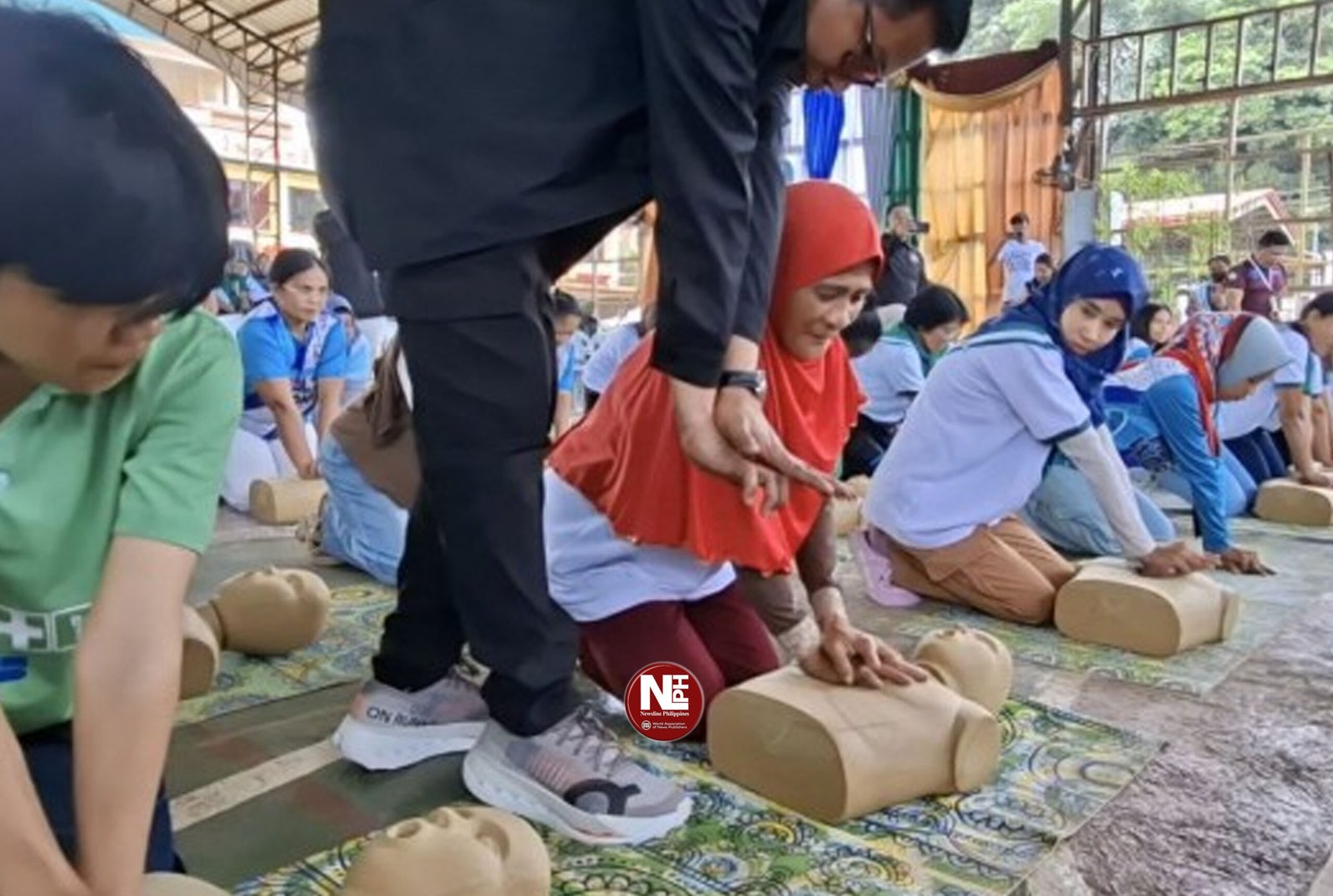
Responding to these gaps, the Philippine Heart Association, through its ZamBaSulTa (Zamboanga, Basilan, Sulu, Tawi-Tawi) Chapter, recently conducted the First Mass Hands-Only CPR training at Claret College of Isabela in Basilan.
About 600 participants — including barangay health workers, teachers, senior high school students, police officers, and firefighters — took part in the training led by Dr. Kristine Bantala Supnet, a PHA ZamBaSulTa member and past president.
Supnet emphasized that proper technique is essential to keep blood circulating to the brain and vital organs while minimizing interruptions.
Youth as Multipliers
For participants like second-year college student Reynaldo Reyes, the training was immediately relevant.
“Whether we’re walking around or just at home, we can use this knowledge,” he said, adding that young people can pass the skill on to others wherever they go.
To those afraid to learn or perform CPR, Reyes said the skill offers something simple but powerful: “a second chance at life.”
A Question of Equity
For Istarul, the CPR drive is about more than emergency response.
“This is a shared commitment to preparedness and healthcare equity,” he said. “Where a person lives should never determine their chance of surviving a heart emergency.”
As Basilan and other underserved provinces push for wider CPR training, advocates say the challenge now is ensuring sustained support — turning one-time trainings into policy, preparedness into practice, and bystanders into lifesavers.