Photo courtesy: Philippine Information Agency Davao Region
Photo courtesy: Philippine Information Agency Davao Region
DAVAO CITY(January 26) — The Regional Development Council (RDC) is studying the feasibility of building an airport in Davao Occidental, a move officials say could unlock growth in key industries such as tourism, cacao, fisheries, and logistics by improving access to one of the Davao Region’s least-connected provinces.
Priscilla Sonido, regional director of the Department of Economy, Planning and Development (DEPDev) in Davao Region, said the proposed airport is part of the Davao Region Development Master Plan and supports the RDC’s strategy of using connectivity to address uneven regional growth.
“We are pushing for connectivity. We can only address lagging areas in the region if we open them for development,” Sonido said, noting that improved air access would help attract tourists and investors while lowering transport costs for local producers.
She said the initiative complements other airport development projects in the region, including the upgrade of the Mati Airport in Davao Oriental, which received a ₱700-million allocation in the 2026 national budget.
The Mati Airport upgrade covers the construction of a modern passenger terminal, improved runways and taxiways, expanded parking areas, and dedicated facilities for ground service equipment and fire stations—investments aimed at strengthening tourism and regional business activity.
“It was pushed by the RDC because we want to improve tourism in that area and bring in new investments,” Sonido said.
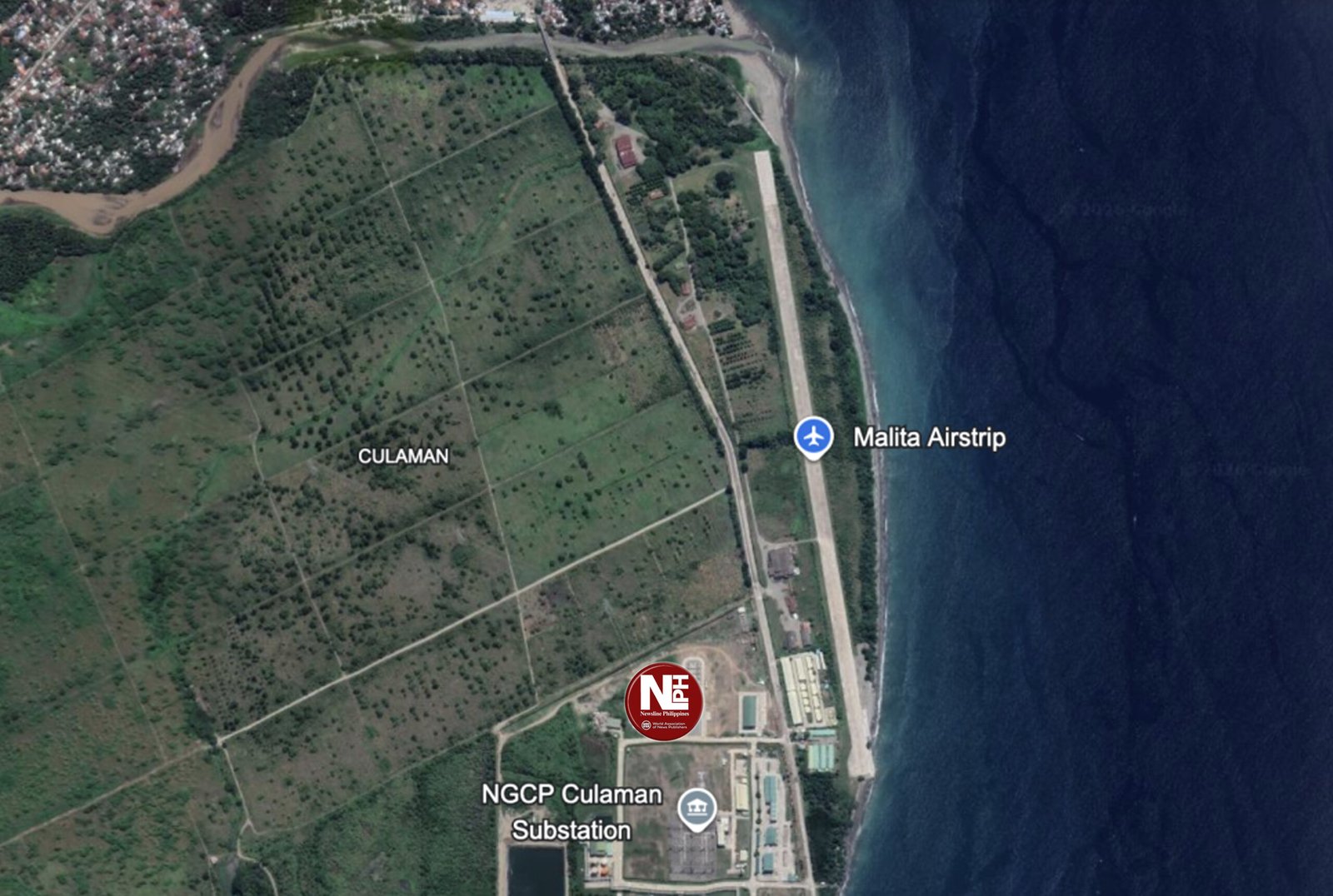
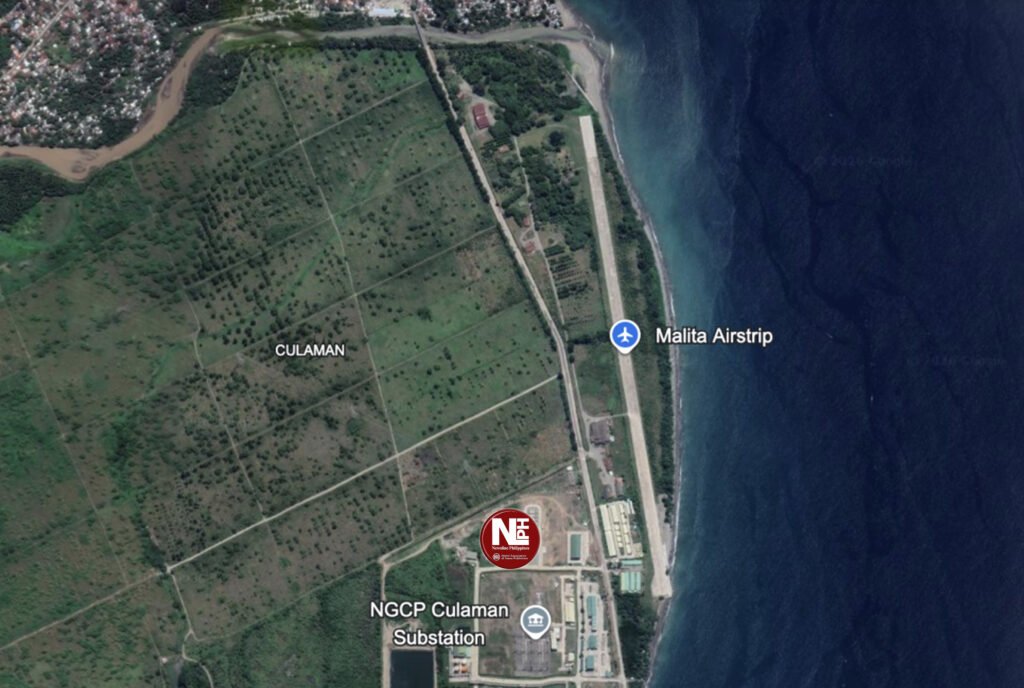
Planners are considering Malita, the provincial capital, as a possible site for the proposed Davao Occidental airport, although the project remains subject to further technical and feasibility studies.
Provincial officials in Davao Occidental have welcomed the proposal, citing its potential to accelerate tourism development, particularly in coastal and island destinations, while supporting the province’s growing cacao industry by enabling faster movement of high-value agricultural products to major domestic and export markets.
Local development planners also pointed to the fisheries sector as a major beneficiary, saying improved air connectivity could help preserve product quality, reduce spoilage, and open premium markets for fresh and processed seafood.
In addition, officials said an airport would strengthen logistics and supply chains by easing the movement of people and goods, improving access for investors, and linking Davao Occidental more closely to regional growth centers.
At present, the province relies largely on land and sea transport, which adds time and cost to business operations. Davao Occidental has one private airstrip in Malita, but it remains largely unused and unsuitable for commercial flights.
In 2015, the RDC proposed developing another modern airport in the region aside from the Davao International Airport, with potential sites earlier identified in Santa Maria in Davao Occidental, Panabo City and Tagum City in Davao del Norte, and the Island Garden City of Samal.
Economic planners said sustained investments in transport infrastructure are critical to integrating emerging provinces like Davao Occidental into regional and national value chains and ensuring more inclusive growth across the Davao Region.