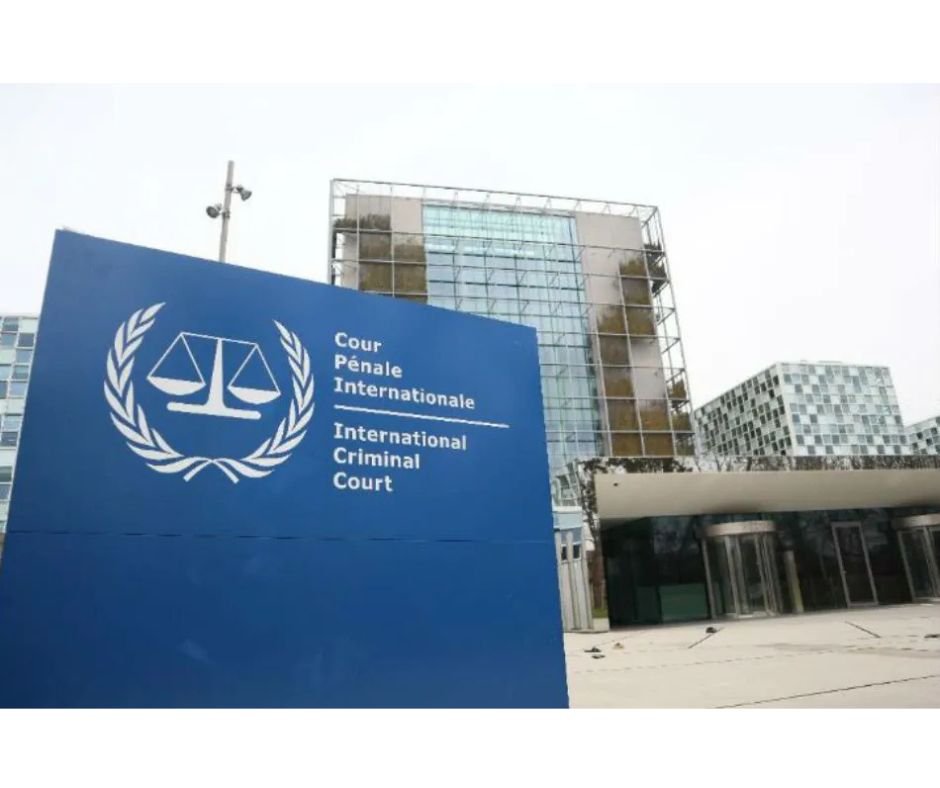
CAGAYAN DE ORO CITY(February 16) — With a crucial hearing days away, an international rights coalition is urging the International Criminal Court (ICC) to move fast — and widen the net.
The International Coalition for Human Rights in the Philippines (ICHRP) on February 14 called on the tribunal to issue arrest warrants for former and current Philippine officials recently identified as alleged “co-perpetrators” in the bloody anti-drug campaign of former president Rodrigo Duterte.
For years, many of the names were redacted in ICC filings. Now, with identities made public in a February 13 document, rights advocates say accountability should not stop with Duterte — who is already in ICC custody.
“It remains abundantly clear that the Philippine judicial system is unable to prosecute these alleged co-perpetrators,” said ICHRP Chairperson Peter Murphy, warning that those still at large could intimidate witnesses, destroy evidence, or flee.
Who were named
Among those identified were Senators Ronald dela Rosa and Bong Go, former Justice Secretary Vitaliano Aguirre II, and former chiefs of the Philippine National Police.
Aguirre and Go have denied involvement in the drug war. Dela Rosa — widely associated with “Oplan Tokhang” — has not attended Senate sessions since November 2025 after Ombudsman Jesus Crispin Remulla announced that a warrant had been issued for his arrest.
The ICC’s ICC Pre-Trial Chamber I earlier rejected defense motions seeking Duterte’s release, adjournment of proceedings, and dismissal of claims that he is unfit for trial.
What happens next
The confirmation of charges hearing on February 23 — with follow-up sessions on February 24, 26, and 27 — will determine whether prosecutors have enough evidence to proceed to full trial.
For families of victims, the hearings represent more than legal procedure. They are a test of whether international justice can reach beyond one man to those accused of designing and enforcing a campaign that prosecutors say left thousands dead.
As the dates approach, pressure is mounting on the ICC: will accountability expand — or narrow — in one of the most closely watched human rights cases involving the Philippines in recent history?