MANILA (March 12) — Alarmed by projections that childhood obesity could surge in the coming years, lawmakers and health advocates are pushing stricter rules on junk food marketing aimed at Filipino children, warning that aggressive advertising is shaping unhealthy diets early in life.
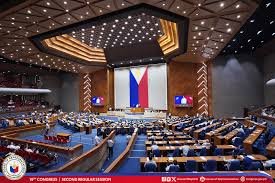
During a joint hearing at the House of Representatives of the Philippines on Wednesday, public health experts warned that one in three Filipino children could become overweight or obese by 2030 if stronger safeguards are not put in place.
The discussion centered on the proposed Healthy Food Environment Bill, which seeks to require front-of-pack warning labels on food products high in sugar, fat and sodium and to restrict advertising tactics that target children.
Targeting marketing tactics
Under the proposed measure, companies would be barred from promoting unhealthy food to children using cartoon characters, mascots, games, prizes and other child-focused advertising strategies.
Lawmakers said such tactics have normalized unhealthy food choices among young Filipinos, contributing to the steady rise of diet-related illnesses.
“Nearly a hundred legislators are now standing behind these measures because we see the same reality: Filipino families are being overwhelmed by preventable diseases,” said Reynolds Michael Tan, principal author of House Bill 819.
“Every billboard, every cartoon character selling unhealthy food chips away at their future,” he added.
Push for stronger consumer warnings
The bill would also require prominent front-of-pack labels warning consumers if products are high in harmful nutrients—similar to systems already adopted in several countries.
Giselle Mary Maceda, vice chair of both the health and children’s welfare committees and principal author of House Bill 6166, said children need protection from marketing that exploits their vulnerability.
“Children deserve protection from food environments that set them up for a lifetime of disease,” she said.
For Carlos Andres Loria, another co-author of the measure, the rising prevalence of obesity and related diseases demands preventive action rather than delayed treatment.
“We cannot afford to wait while obesity, diabetes and chronic kidney disease continue to rise,” he said.
Broad legislative and civil society support
So far, lawmakers have filed 20 versions of the Healthy Food Environment Bill and four separate bills focused solely on warning labels, with backing from 77 legislators.
Public health groups have rallied behind the proposals.
The Healthy Food Environment Coalition said stricter regulation could help reshape food environments that currently encourage unhealthy consumption.
“This is not just a fight against unhealthy food; it’s a movement toward a future where children can live to their full potential,” the coalition said.
Meanwhile, the Philippine Society of Public Health Physicians warned that doctors are seeing younger patients with diet-related illnesses, including diabetes and metabolic disorders.
Lessons from other countries
Health advocates pointed to policies in Chile and Peru, where warning labels and restrictions on junk food advertising have reportedly reduced purchases of unhealthy products and encouraged healthier eating habits.
Supporters say adopting similar measures in the Philippines could help curb the growing burden of noncommunicable diseases, which already account for the majority of deaths in the country.
For lawmakers and health experts, the debate is no longer just about food labels—it is about preventing a generation of Filipino children from growing up with lifelong health problems shaped by the food industry’s marketing power.