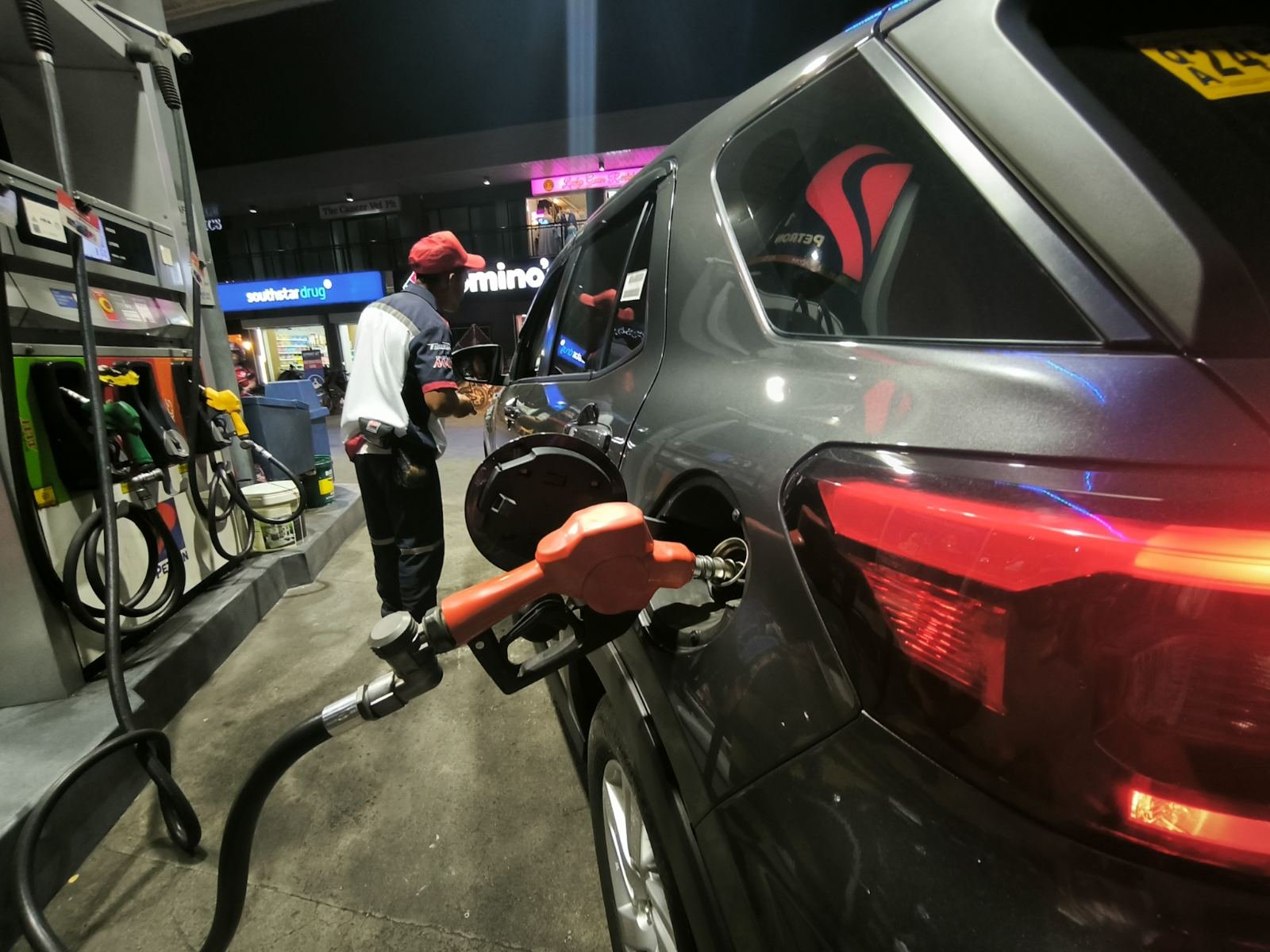
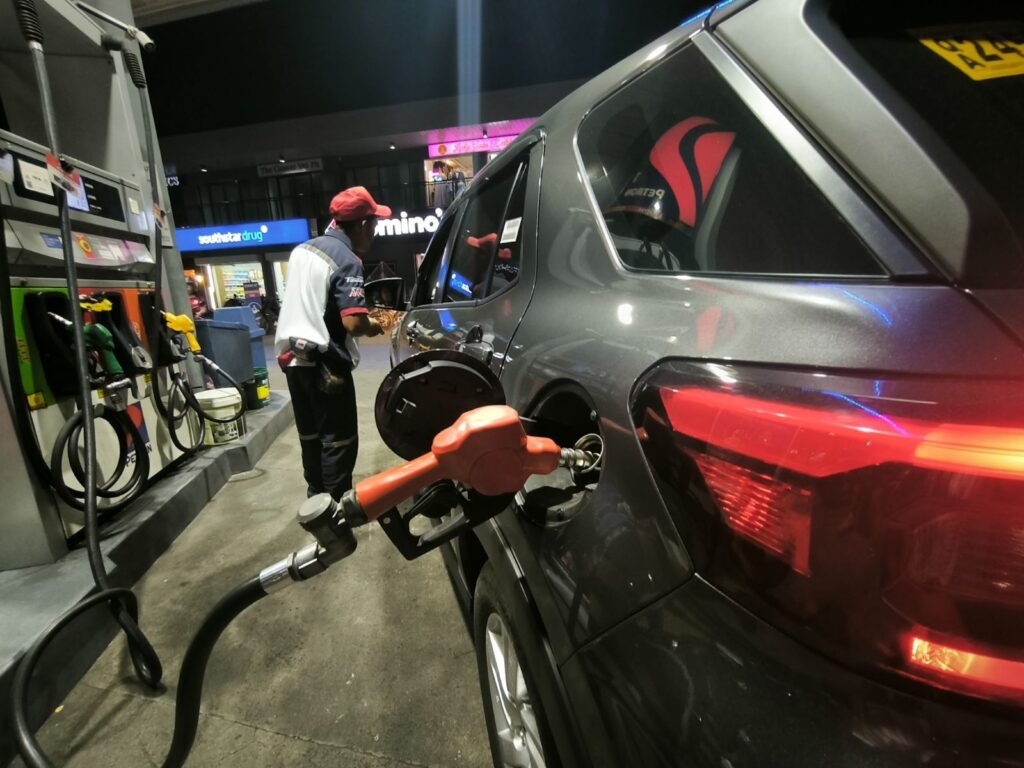
MANILA(March 27) — Oil industry players are pushing for the removal of the value-added tax (VAT) on fuel as pump prices surge, arguing it could deliver immediate relief to consumers. But economic managers are urging caution, warning the move may not produce the intended savings.
During a Senate hearing on March 26, officials from the Department of Finance pushed back against proposals to scrap VAT on petroleum products, citing structural concerns in how the tax system works.
Undersecretary Karlo Adriano said removing VAT only at the retail level — while it remains embedded in production and importation costs — could simply shift the burden rather than eliminate it.
“VAT applies to both input and output. If you remove it at one stage but not the other, the cost may still be passed on to consumers,” he said.
Industry: Remove VAT at source
Oil firms, however, argue the solution is straightforward: eliminate VAT at the point of importation.
Tanya Samillano of the Independent Philippine Petroleum Companies Association said scrapping VAT upon cargo arrival would immediately reduce costs for companies — and, by extension, pump prices.
“It’s easier for us to implement reduced prices when VAT is removed… we will no longer pay VAT upon importation,” she said, adding that the savings could translate directly to consumers.
Industry estimates suggest that for fuel priced at around P100 per liter, removing VAT could cut costs by roughly P12 per liter.
Executives from major players echoed the position, framing it as a unified industry stance.
Lorelie Quiambao-Osial of Shell Pilipinas Corporation noted that VAT, being percentage-based, rises alongside global oil prices — amplifying the burden on consumers during price spikes.
Meanwhile, Lubin Nepomuceno of Petron Corporation described VAT removal as an “industry position.”
Policy dilemma amid global tensions
The debate comes as fuel prices climb to triple-digit levels, driven largely by global supply uncertainties linked to the ongoing conflict involving the United States, Israel, and Iran.
President Ferdinand R. Marcos Jr. has already signed a measure granting him emergency powers to suspend or reduce excise taxes on petroleum products. However, no timeline has been announced for when — or if — these powers will be exercised.
Consumers caught in the middle
For transport workers and ordinary motorists, the policy debate has immediate consequences.
Rising fuel costs have triggered transport strikes and protests nationwide, with drivers warning that their earnings are being squeezed while commuters face potential fare hikes.
While VAT removal promises quick relief on paper, economists caution that its real-world impact will depend on how it is implemented — and whether savings are fully passed on to consumers.
Relief vs. revenue
At its core, the issue reflects a broader trade-off: easing the burden on consumers versus protecting government revenues.
VAT is a major source of state income, and removing it — even temporarily — could affect funding for public services. Yet with fuel prices continuing to climb, pressure is mounting on the government to act swiftly.
For now, the debate remains unresolved, with both sides agreeing on one point: any delay in intervention will be felt most by those already struggling to keep up with rising costs.