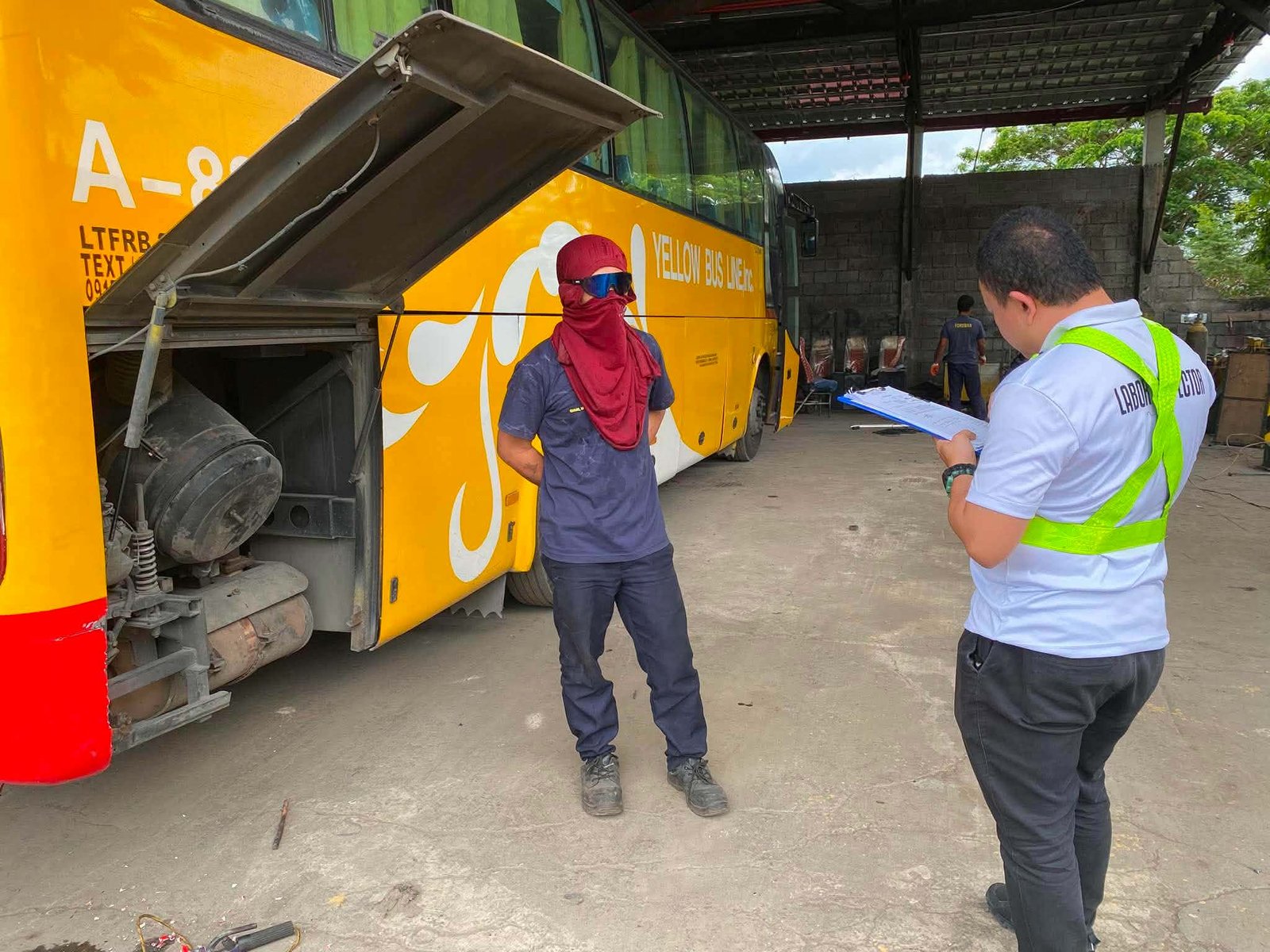
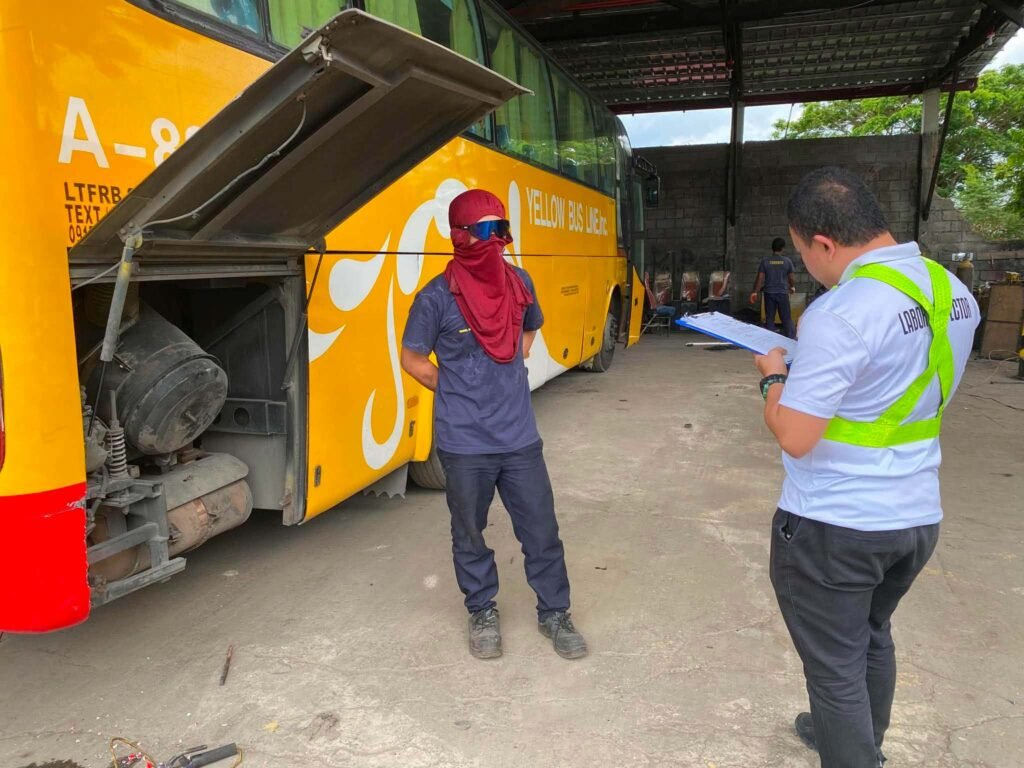
CAGAYAN DE ORO CITY (April 6) — A wave of inspections by the Department of Labor and Employment in Region 12 has revealed not just isolated lapses, but what critics describe as a pattern of employers sidestepping basic labor standards — often with minimal consequence.
In its first-quarter report, DOLE-12 flagged deficiencies in wages, benefits, and occupational safety across 299 establishments, most of them micro and small enterprises. The violations cut across essential industries, suggesting that non-compliance is not the exception, but an embedded practice in parts of the regional economy.
Yet instead of sanctions, the agency continues to lean on what it calls a “developmental” approach — prioritizing advisories and technical assistance over penalties.
For labor advocates, that approach risks normalizing impunity.
“When violations are met with guidance instead of consequences, compliance becomes optional,” a labor rights organizer said. “It creates a system where employers can delay, dilute, or sidestep standards without real accountability.”
DOLE-12 director Joel Gonzales defended the model, saying inspections are meant to correct behavior rather than punish. But the persistence of the same violations — particularly on fundamental issues like proper wages and workplace safety — raises questions about whether correction is actually happening.
The legal mandate is clear. Under Article 128 of the Labor Code of the Philippines, DOLE has sweeping powers to inspect, compel compliance, and enforce labor standards. Internationally, ILO Convention 81 — ratified by the Philippines in 2024 — requires a robust system that ensures laws are not only advised, but enforced.
But on the ground, enforcement appears uneven.
Many of the inspected firms fall within the MSME sector — which accounts for 99.6 percent of businesses and a majority of jobs nationwide. While DOLE frames this as a capacity issue requiring support and training, critics argue it has also become a convenient shield for non-compliance.
“Small size should not mean small responsibility,” the organizer added. “Workers in MSMEs deserve the same protections, not diluted standards.”
The agency points to partnerships with the Occupational Safety and Health Center to improve compliance through training. But labor groups counter that safety seminars cannot substitute for accountability, especially when violations involve unpaid wages or unsafe conditions.
At the heart of the issue is a deeper question of social accountability: who bears the cost when labor standards are ignored?
For many workers, the answer is immediate and personal — lost income, unsafe workplaces, and limited recourse. For regulators, the challenge is systemic — whether to continue a model that encourages voluntary compliance, or to assert the full weight of enforcement powers already granted by law.
Until that balance shifts, observers warn, inspections may continue to document violations without fundamentally disrupting them — allowing a cycle where labor standards exist on paper, but are negotiable in practice.