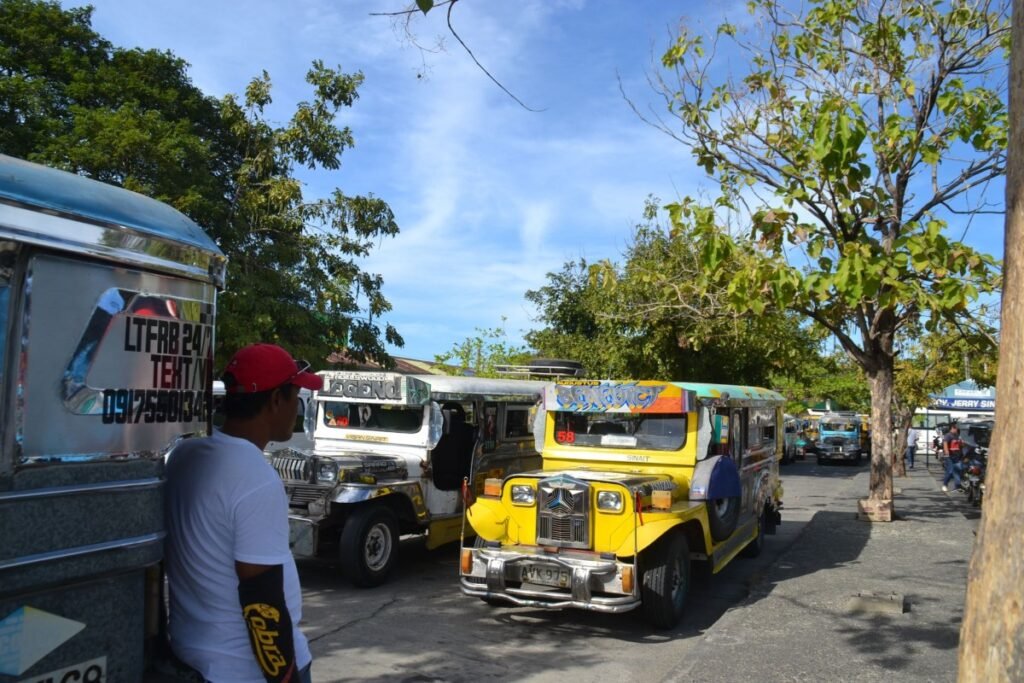
CAGAYAN DE ORO CITY (April 13) — Malacañang has ordered a nationwide 20-percent fare discount for commuters starting April 15, as the government moves to blunt the impact of volatile fuel prices on millions of Filipinos.
President Ferdinand Marcos Jr. directed the Land Transportation Franchising and Regulatory Board (LTFRB) to implement the fare reduction across public utility vehicles (PUVs), framing it as part of a broader effort to stabilize transport costs amid the ongoing global oil disruptions.
The measure is embedded in the government’s service contracting program under the Department of Transportation (DOTr), which also includes a P10-per-liter fuel subsidy for PUV operators.
Immediate Relief for 15 Million Commuters
According to the Presidential Communications Office (PCO), the program is expected to benefit around 15 million commuters daily, covering approximately 50,000 PUVs run by 1,000 operators nationwide.
“Mayroon ding 20 percent fare discount ang mga commuter nang sa ganun ay mabawasan ang kanilang gastos,” said PCO Undersecretary Claire Castro during a Palace briefing.
Transport regulators said a new fare matrix reflecting the discount will be issued and must be visibly posted inside vehicles to guide passengers.
LTFRB chair Vigor Mendoza clarified that the policy is layered on top of existing mandated discounts for senior citizens, persons with disabilities, and students, potentially deepening fare reductions for vulnerable sectors.
Balancing Relief and Operator Survival
The policy attempts a delicate balancing act: easing commuter expenses while preventing transport operators from collapsing under high fuel costs.
Even with a projected fuel price rollback this week, diesel prices remain significantly elevated compared to pre-crisis levels—continuing to squeeze jeepney, bus, and UV operators already struggling to stay on the road.
The government’s approach pairs demand-side relief (fare cuts) with supply-side support (fuel subsidy)—a dual intervention designed to keep both commuters moving and operators viable.
“Ayon sa Pangulo, tuloy ang biyahe, tuloy ang hanapbuhay,” Castro said.
Part of a Broader Crisis Response
The fare discount comes amid a chain of emergency responses triggered by the global oil shock—from fuel subsidies and transport strikes to industry warnings in sectors like fishing and logistics.
While the 20-percent cut offers immediate relief, it also underscores a deeper reality: government is increasingly stepping in to buffer households from price volatility that the market alone cannot absorb.
How long such subsidies and discounts can be sustained, however, remains an open question—especially if global fuel instability persists.
For now, the directive signals urgency: keep commuters moving, keep operators afloat, and prevent the fuel crisis from cascading into a full-blown mobility and cost-of-living crisis.