KORONADAL CITY, South Cotabato (April 23) — For over 17,000 families in Soccsksargen, 2026 will mark the end of a chapter defined by monthly cash grants, school compliance checks, and health visits under the government’s flagship poverty program.
On paper, their exit from the Pantawid Pamilyang Pilipino Program (4Ps) is a success story—proof that public investment in the poorest households can yield self-reliance.
But beyond the numbers lies a more complicated question: what happens after the safety net is gone?
The Department of Social Welfare and Development (DSWD) says 17,110 families in Region 12 have reached “self-sufficient” status based on the Social Welfare and Development Indicator (SWDI), a system that classifies households from survival to subsistence to independence. Another 19,128 families are being evaluated for exit due to “natural attrition,” or the absence of children eligible for program conditions.
Officials frame the shift as a sign that 4Ps is working as designed. The law that institutionalized the program—Republic Act No. 11310—explicitly rejects lifelong dependency, requiring families to move on once they can stand on their own.
Yet “self-sufficiency,” critics note, is not the same as economic security.
A family may graduate from 4Ps by meeting minimum thresholds—steady but low income, basic housing, children in school—but still remain one illness, job loss, or price spike away from slipping back into poverty. In regions like Soccsksargen, where many livelihoods depend on informal work or agriculture, that vulnerability is hard to ignore.
The six-month transition period required before exit is meant to soften the landing. Families receive orientation, referrals to livelihood programs, and a formal notice that their assistance will end. But whether half a year is enough to replace years of support remains an open question.
For many former beneficiaries, the cash grant—though modest—functioned as a buffer. It paid for transport to school, bought rice during lean weeks, or covered clinic visits that might otherwise be skipped. Its removal can expose gaps that are not immediately visible in assessment metrics.
The shift to a digital SWDI system, with GPS-tagged house visits, aims to strengthen the credibility of these “graduation” decisions. Still, the tool measures conditions at a specific point in time. It cannot fully predict how families will fare when external shocks hit—rising food prices, climate-related crop losses, or sudden health expenses.
This tension—between measurable progress and lived precarity—sits at the heart of the 4Ps debate.
Supporters argue that keeping families indefinitely in the program risks dependency and strains public resources. They see graduation as both an incentive and a goal: proof that social protection can be temporary and transformative.
But others caution against viewing exit numbers as an endpoint. Without sustained support—whether through stable jobs, accessible healthcare, or local safety nets—graduation could become cyclical, with families re-entering poverty just as quietly as they left the program.
Even DSWD officials acknowledge the limits.
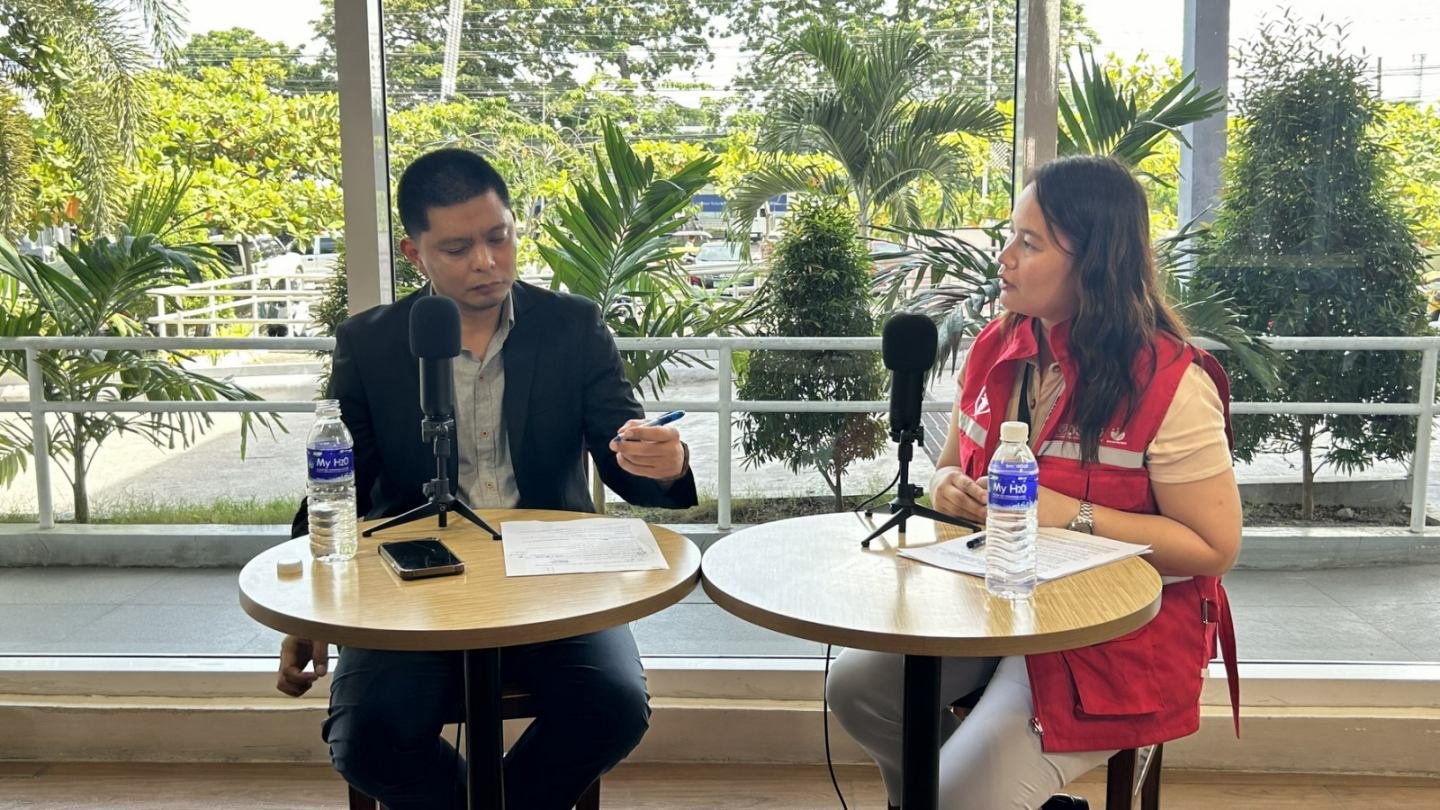
“All our efforts are meant to improve the well-being of families,” a regional focal person said. “But if beneficiaries are not willing to participate, that is where our case management ends.”
That statement underscores a key assumption embedded in 4Ps: that opportunity, once provided, will be taken—and sustained. Yet structural barriers, from limited rural employment to uneven access to services, often shape outcomes more than individual effort alone.
As around 160,000 households remain in the program across Soccsksargen, the growing number of “graduates” offers both optimism and caution.
It is a sign that progress is possible—but also a reminder that escaping poverty is rarely permanent.