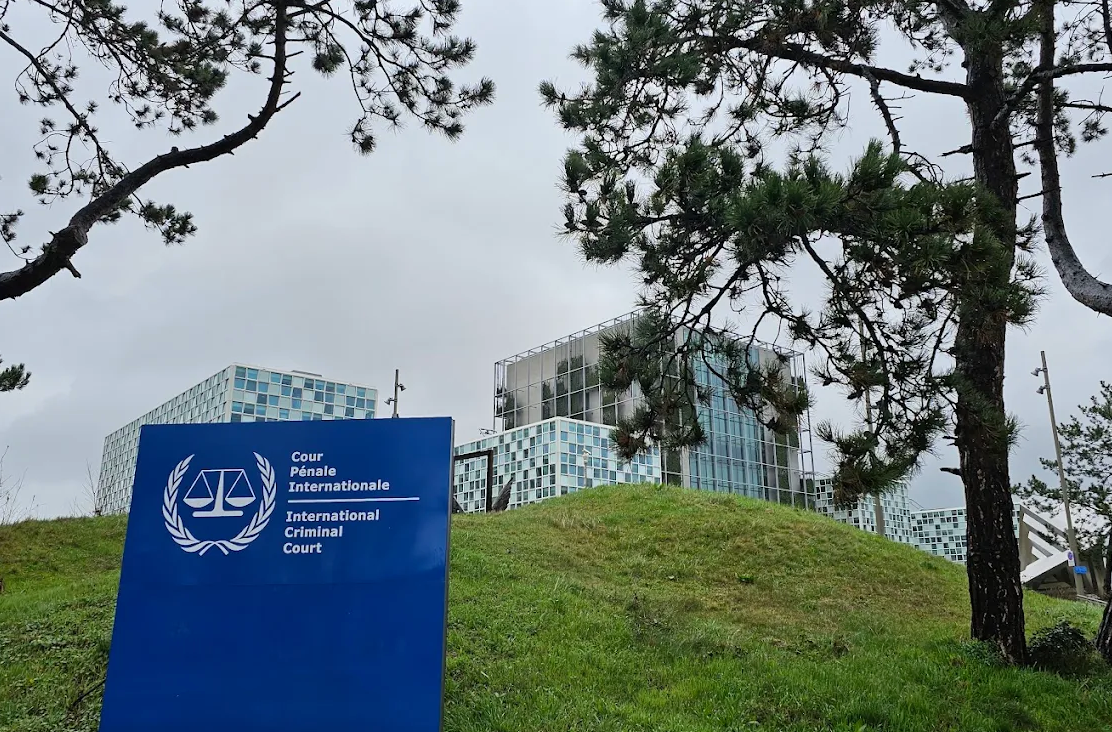
MANILA(April 24) — The International Criminal Court has laid out 10 key ways former president Rodrigo Duterte allegedly played an “essential role” in killings tied to his controversial war on drugs—findings that underpin the confirmation of charges against him.
In a 50-page decision released April 23, the ICC’s Pre-Trial Chamber I affirmed three counts of crimes against humanity of murder, committing Duterte to trial. He is presumed innocent unless proven guilty.
The court concluded that Duterte may be held liable as an “indirect co-perpetrator”—meaning he allegedly did not carry out the killings himself but helped design, enable, and sustain a system that made them possible.
A system “that could not have functioned” without him
According to the judges, Duterte’s actions were so central that the alleged crimes “could not have been committed or would have been committed in a significantly different way” without his involvement.
The ruling traces the origins of the alleged system to Davao City in the late 1980s, where it was later scaled nationwide after Duterte assumed the presidency in 2016.
The ICC’s 10 key findings, simplified
1. Policy of “neutralisation”
The court said Duterte designed and spread a policy to “neutralise” suspected criminals—first locally, then nationwide through campaigns like Double Barrel.
2. Creation and oversight of the Davao Death Squad
He allegedly established and supervised the Davao Death Squad (DDS), recruiting members and defining targets.
3. Direct authorization of killings
Killings allegedly required his approval, with lists of targets prepared and some individuals publicly threatened before being killed.
4. Supplying resources
The ruling cites evidence he provided weapons, funds, safehouses, and personnel, including alleged use of public funds and “ghost employees.”
5. Appointing key allies
As president, Duterte allegedly placed loyalists in strategic posts across agencies like the Philippine National Police and Philippine Drug Enforcement Agency to execute the campaign.
6. Financial rewards system
The court described a payment scheme for killings, with incentives reportedly reaching up to ₱1 million for high-value targets.
7. Guarantee of protection
Perpetrators allegedly operated under assurances of immunity, with Duterte promising protection, pardons, and promotions.
8. Public incitement
Through repeated speeches, Duterte allegedly encouraged and justified killings, framing them as necessary to fight crime.
9. Control over operations
The ruling points to Duterte’s ability to scale violence up or down, noting a dip in killings when police operations were temporarily suspended in 2017.
10. Public naming of targets
He allegedly identified suspects in public broadcasts, with some later killed—highlighting the use of so-called “PRRD lists.”
What happens next?
The confirmation of charges means the case now moves closer to a full trial at the ICC in The Hague.
Duterte’s legal team may seek permission to appeal, though this is not automatic.
The case marks one of the most consequential international legal proceedings involving a former Philippine president—raising fundamental questions about state power, accountability, and human rights in the context of anti-drug campaigns.