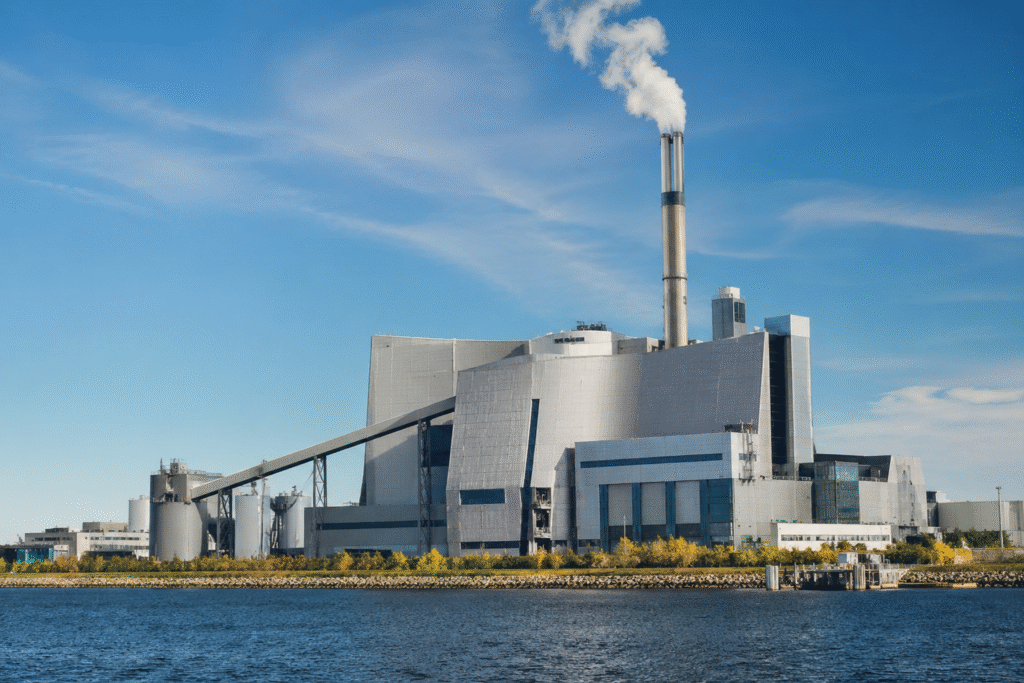
DAVAO CITY (April 25) — As Davao grapples with mounting waste, the city government is doubling down on a proposed waste-to-energy (WTE) facility—pitching it as a long-term solution while critics warn it could derail more sustainable approaches.
City officials say the project is moving forward, backed by international partners and ongoing studies, even as environmental groups intensify calls for caution.
Government: “A necessary next step”
Councilor Temujin “Tek” Ocampo, chair of the environment committee, said the city remains committed to the WTE initiative, citing its potential to significantly reduce landfill dependence.
Davao has already signed a cooperation agreement with Japan and is exploring partnerships with other countries, including South Korea, Australia, and Malaysia.
Officials point to Japan’s long experience with the technology. During a visit to facilities in Kitakyushu, local leaders observed plants operating near residential areas without reported health impacts.
Japanese officials, including Endo Kazuya, have also emphasized that modern WTE systems follow strict environmental standards and may pose fewer risks than aging landfills.
Opposition: “Wrong direction”
But not everyone is convinced.
Environmental group Interfacing Development Interventions for Sustainability (Idis) argues that WTE runs counter to a circular economy—one that prioritizes reducing, reusing, and recycling waste rather than burning it.
Critics warn that investing in WTE could shift focus and funding away from community-based waste segregation and recycling programs, which they say are more sustainable in the long run.
Public consultation begins
The debate is now moving into a more formal stage.
The Department of Environment and Natural Resources – Environmental Management Bureau (DENR-EMB) in Davao Region has begun public scoping, the first step in the Environmental Impact Assessment process.
This phase allows residents, stakeholders, and advocacy groups to raise concerns, ask questions, and shape how the project is studied moving forward.
Officials stress that the process is not an approval—but a critical checkpoint for transparency and accountability.
Communities at the center
For many Dabawenyos, the issue goes beyond technology—it’s about trust, health, and long-term sustainability.
- Can WTE safely coexist with communities?
- Will it reduce waste—or discourage recycling efforts?
- How will residents be protected and involved?