GENERAL SANTOS CITY (June 4) — A brewing dispute over the future of South Cotabato II Electric Cooperative (SOCOTECO II) has drawn the intervention of the Diocese of Marbel, which is accusing cooperative officials of sidelining consumers in a decision that could reshape power distribution services across parts of South Cotabato and Sarangani.
The controversy erupted after SOCOTECO II’s board granted conditional approval to a proposed Joint Venture Agreement (JVA) with Ignite Power, a move that church leaders and consumer advocates fear was undertaken without adequate public consultation or disclosure.
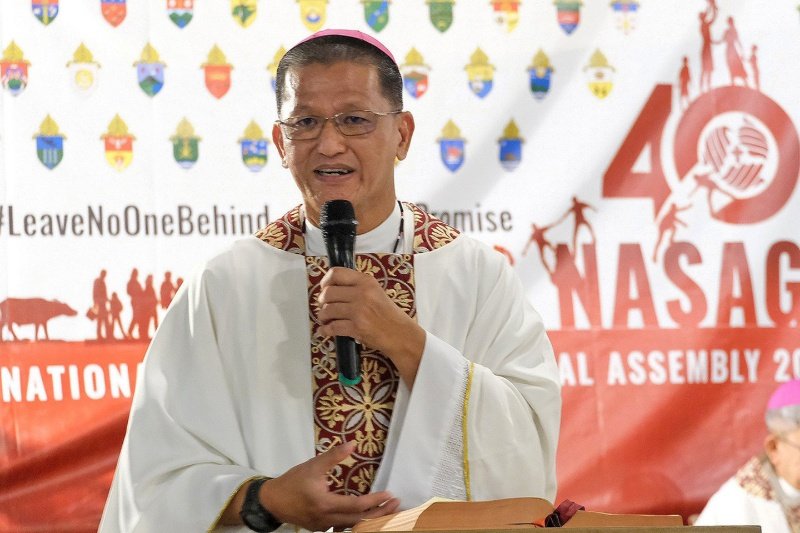
In a strongly worded statement, Bishop Cerilo Casicas condemned what he described as a lack of transparency surrounding the negotiations and warned that decisions affecting thousands of member-consumer-owners should not be made behind closed doors.
“This decision was made without consultation, without transparency, and without regard for the common good. It benefits only a privileged few while disregarding the voices of the community,” Casicas said.
The Diocese went further, denouncing alleged closed-door meetings, undue influence, and actions that it said bypassed the participation of the cooperative’s member-consumers.
More Than a Business Deal
At the heart of the dispute is a fundamental question faced by many electric cooperatives across the country: who should determine the future of utilities that are technically owned by the consumers they serve?
Supporters of joint venture arrangements often argue that private-sector participation can inject capital, improve operational efficiency, modernize infrastructure, and address longstanding service issues that cooperatives struggle to resolve on their own.
Critics, however, warn that such arrangements can dilute the authority of member-consumer-owners, reduce public accountability, and transfer significant influence over essential services to private entities without sufficient safeguards.
For the Diocese of Marbel, the issue is not merely whether the partnership with Ignite Power is beneficial or harmful. Rather, it is whether consumers were given meaningful opportunities to understand, question, and participate in a decision that could alter the governance and direction of their electric cooperative.
Growing Demand for Accountability
The church’s intervention reflects broader concerns among consumers who increasingly expect greater transparency from institutions that provide essential public services.
Casicas emphasized that member-consumer-owners have a legitimate right to access information and participate in decisions that directly affect electricity rates, service quality, and the long-term management of the cooperative.
“These concerns reflect the legitimate desire of member-consumer-owners to protect their interests and take part in decisions that directly impact their welfare,” the bishop said.
The Diocese also called for decision-making processes that are insulated from vested interests, political pressure, and misinformation.
“We demand that all decisions be protected from secrecy, misinformation, undue pressure, and personal interest, and that the cooperative remain accountable to its member-consumers,” Casicas added.
Trust at Stake
The controversy underscores a recurring challenge facing electric cooperatives in Mindanao and elsewhere in the country: balancing the need for modernization and investment with the principles of democratic governance on which cooperatives were founded.
Unlike private utilities, electric cooperatives are intended to operate under a model where consumers are not merely customers but owners with a voice in major policy decisions.
When major agreements are perceived as being negotiated without broad consultation, observers note that public trust can erode regardless of the merits of the proposal itself.
For many member-consumer-owners, the central issue is no longer simply the contents of the proposed joint venture agreement but whether the process leading to its approval met the standards of transparency and participation expected from a consumer-owned institution.
As debates over the SOCOTECO II-Ignite partnership continue, pressure is likely to grow for cooperative officials to disclose more details of the proposal and demonstrate that consumers remain at the center of decisions affecting one of the region’s most critical public services.
The dispute has become a test not only of the proposed partnership but also of how far cooperative leaders are willing to go in ensuring that the people who own the cooperative are fully informed and genuinely heard before transformative decisions are made.