MANILA (July 28) — President Ferdinand Marcos Jr. wants Congress to give middle-class workers a tax break, but for many Filipino families struggling with rising prices, the bigger question is whether the proposed relief will be enough to make a real difference in their daily lives.
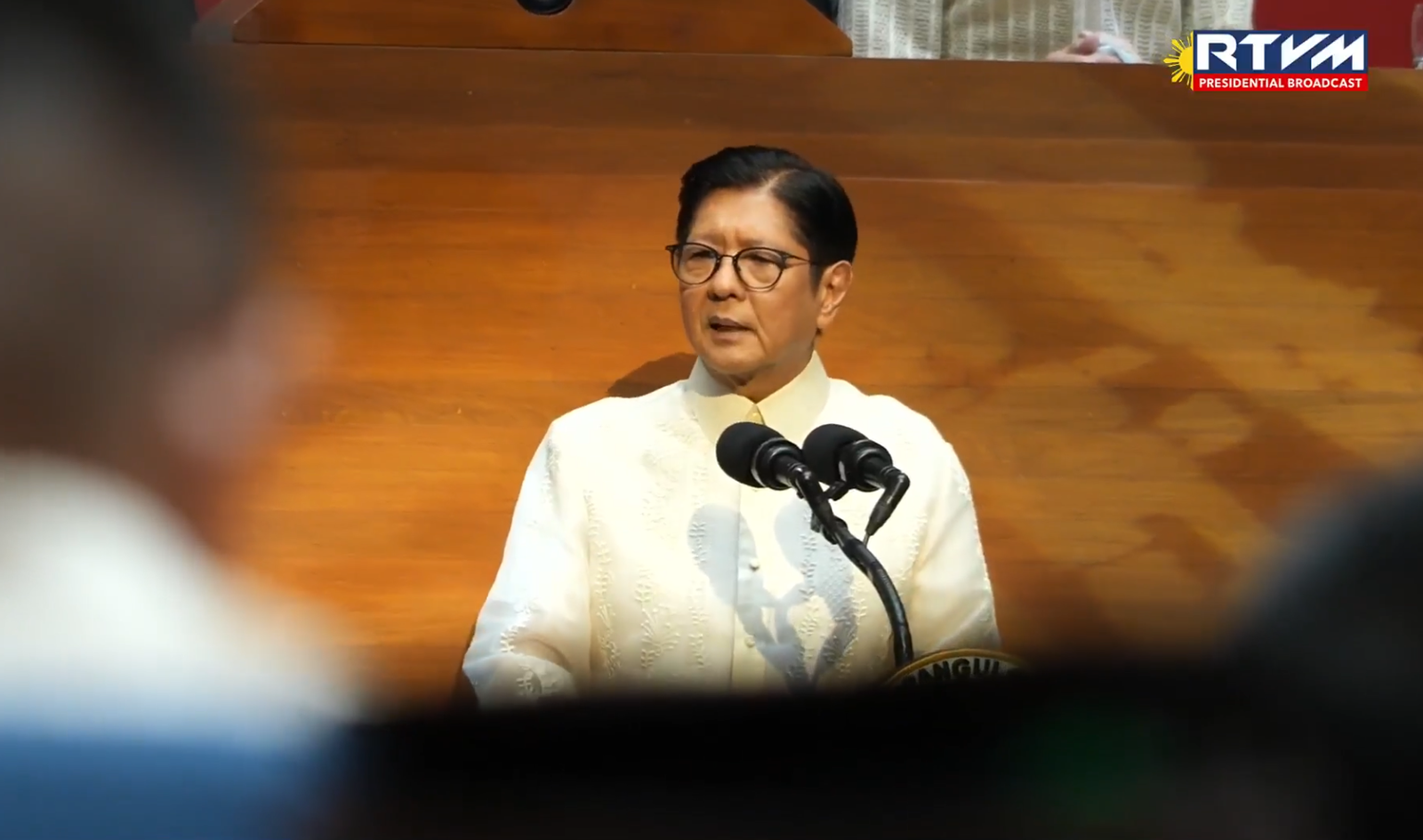
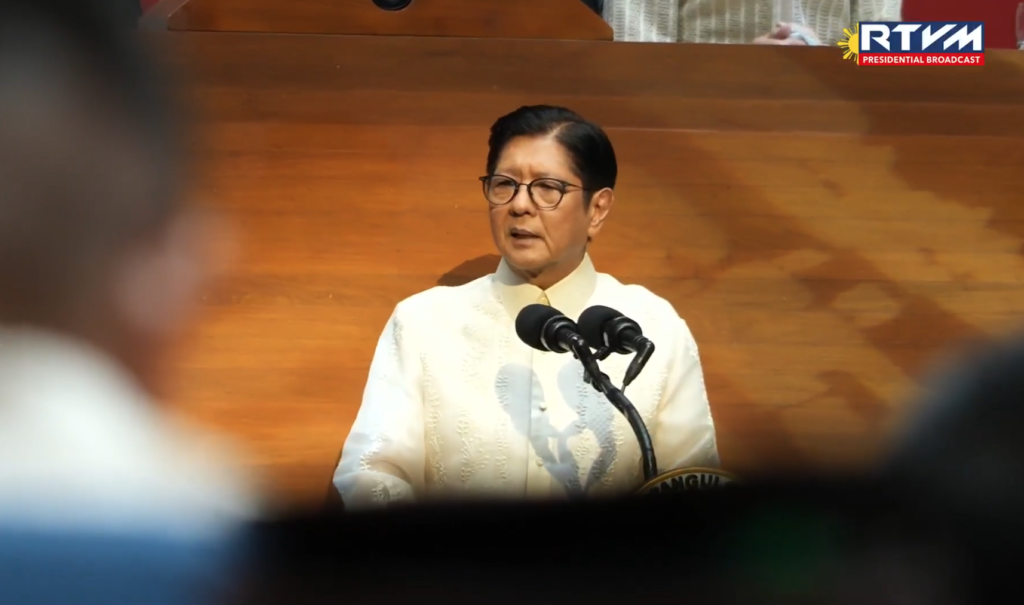
In his State of the Nation Address on Monday, July 27, Marcos asked lawmakers to raise the annual income tax exemption threshold from PHP250,000 to PHP350,000 and lower tax rates for workers earning above the new threshold.
The proposal, if approved, could mean more take-home pay for some employees by reducing the amount deducted from their salaries for income taxes.
But the relief would come as families continue to grapple with the rising cost of food, transportation, utilities, housing, and other basic needs—expenses that can quickly eat up any additional income from a tax cut.
“Hindi natin kalilimutan ang ating mga manggagawang Pilipino lalo na ang mga middle class pati na ang mga maliliit na negosyo,” Marcos said.
“We will not forget our Filipino workers, especially the middle class, as well as small businesses.”
Marcos said workers and small businesses remain vulnerable to the economic fallout from recent global crises, including price pressures linked to geopolitical tensions involving Iran, the United States, and Israel.
He said tax relief would allow workers to keep more of the money they earn.
“Kaya bilang natatanging proteksyon sa kanila at para mas mapakinabangan nila ang pinaghirapan nilang kita, nananawagan ako sa Kongreso upang maipasa ang batas na magbibigay ng bahagyang ginhawa para sa ating bayaring buwis,” he said.
But the proposed increase—from PHP250,000 to PHP350,000—also raises questions about whether the adjustment is keeping pace with the actual cost of living.
For a worker earning just above the current tax-exempt threshold, even a reduction in income tax may provide only modest relief when set against the cumulative increase in household expenses.
The proposal also does not directly address workers who pay little or no income tax but are heavily affected by inflation. For low-income families, tax relief may have limited impact because their biggest financial burden is often the cost of basic goods and services rather than income taxes.
Marcos also proposed measures aimed at small businesses, including exemption from the minimum corporate income tax.
He further called for a tax amnesty covering unpaid income tax, estate and donor’s tax, and value-added tax, including the penalties attached to these obligations.
“Kasama na rin diyan ang mga multa na kaakibat ng mga ito,” he said.
For small businesses, the proposed relief could ease compliance costs and help struggling enterprises stay afloat. But critics may also ask whether repeated tax amnesties could encourage some taxpayers to delay payment in anticipation of future relief programs.
The proposal comes as lawmakers have been seeking a larger adjustment to the income tax exemption threshold.
Earlier this year, Senate President Sherwin Gatchalian pushed the proposed GINHAWA bill, which seeks to raise the income tax exemption threshold from PHP250,000 to PHP400,000 a year.
Marcos’ proposed PHP350,000 threshold is lower than the amount sought under the Senate measure.
The challenge now shifts to Congress, where lawmakers will have to weigh the promised relief for workers and businesses against the government’s need to maintain revenues for public services, infrastructure, health care, education, and social protection.
For ordinary wage earners, however, the measure will ultimately be judged not by the size of the tax break on paper but by what remains in their pockets after paying for food, transport, electricity, tuition, rent, and other necessities.
For families already stretched by the cost of living, even a small tax cut can help—but whether it provides genuine relief will depend on how much workers actually save, how quickly prices continue to rise, and whether the government can deliver broader measures that address the pressures beyond the tax bill.