MANILA(October 9) — THE Batang Ligtas bill could give authorities stronger tools to detect online child abuse earlier, hold offenders and enabling entities accountable, and improve coordination in investigating and prosecuting cases involving the sexual exploitation of children.
Congress has ratified the measure, bringing it closer to becoming law as the government confronts the growing use of digital platforms in the abuse and exploitation of Filipino children.
The bill seeks to strengthen the national response to online sexual abuse or exploitation of children (OSAEC) and child sexual abuse or exploitation materials (CSAEM) through clearer responsibilities, stronger accountability and coordinated prevention, detection, investigation and prosecution.
For families, the proposed changes are significant because online abuse can cross platforms and jurisdictions, making it difficult for a single agency to respond effectively.
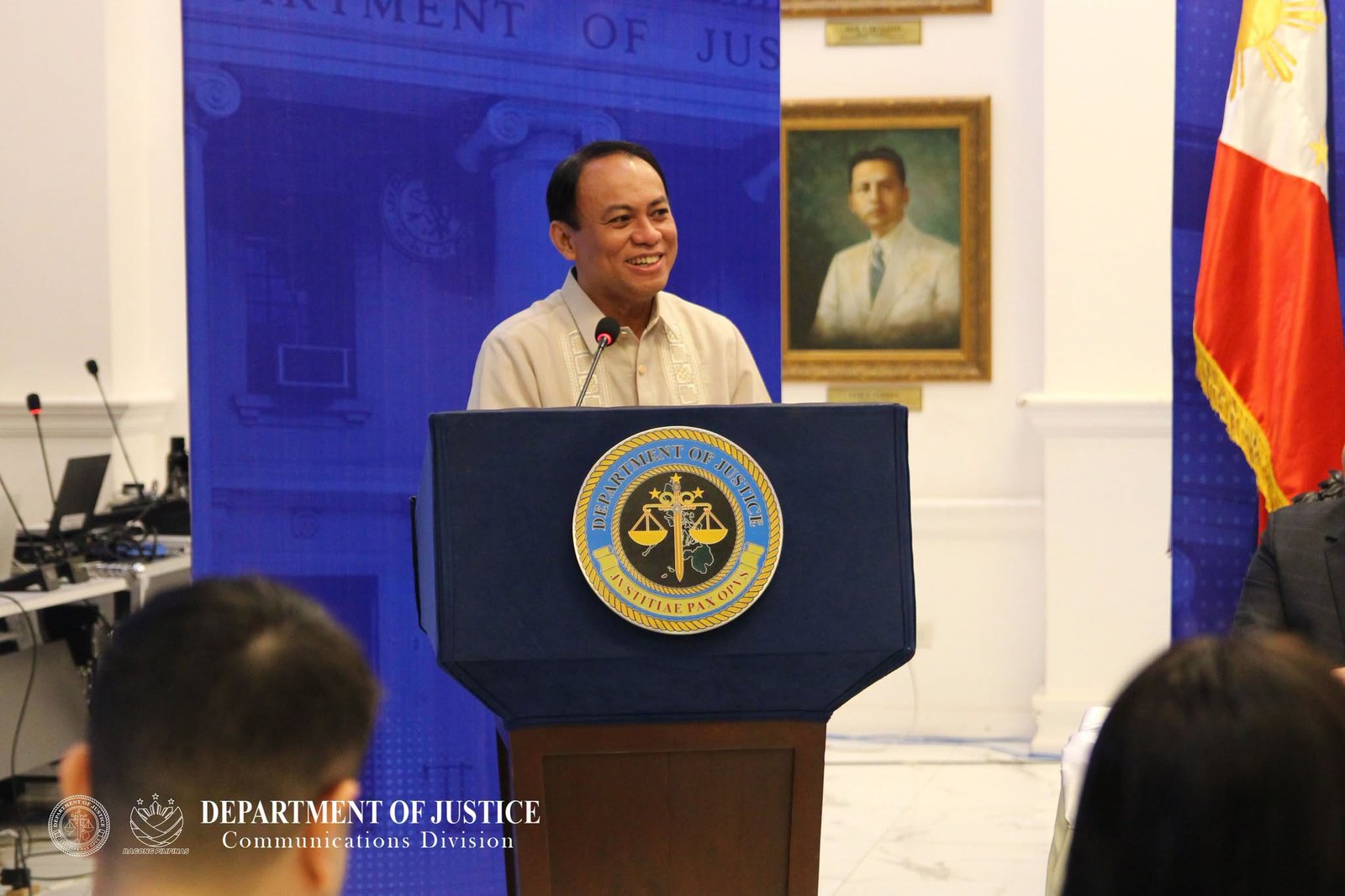
Department of Justice Secretary Fredderick Vida said the measure would strengthen the government’s campaign to protect children from abuse both online and offline.
“No child should be afraid, exploited, or turned into a source of profit — whether online or offline,” Vida said in a DOJ statement.
The measure is among the Marcos administration’s priority bills under the Legislative-Executive Development Advisory Council.
It still has to undergo the remaining legislative formalities before being transmitted to the Office of the President for consideration and signature. It therefore has not yet become law.
If enacted, the measure would reinforce the work of the National Coordination Center Against OSAEC-CSAEM (NCC-OSAEC-CSAEM) and strengthen coordination among government agencies and other sectors involved in child protection.
Vida said the DOJ expects to work closely with technology platforms, financial service providers, civil society organizations, children and victim-survivors to put the measure’s safeguards into practice.
The proposed framework also seeks to strengthen accountability for individuals and entities that facilitate or enable the exploitation of children.
The House version of the measure provides for stronger safeguards, regulatory measures, policies, enforcement mechanisms, penalties and funding for the government’s response to OSAEC and CSAEM. It also seeks to repeal Republic Act No. 11930, the existing law addressing online sexual abuse and exploitation of children and child sexual abuse or exploitation materials.
Vida said the forthcoming National Children’s Month in November would be a meaningful occasion to enact the measure, saying its passage would turn the government’s commitment to children’s rights into stronger safeguards.
But for parents, teachers and children, the measure’s real test will come after legislation.
Its impact will ultimately depend on whether stronger rules translate into earlier detection, quicker intervention, better investigations, effective prosecution and stronger support for children who have been victimized online.
The bill, in other words, is not simply about adding another law to the books. It is about building a system capable of responding when a child’s abuse begins — and protecting that child before the harm spreads further.