MANILA (October 14) — THE impeachment case against Vice President Sara Duterte has narrowed to one central question: can prosecutors prove she accumulated unexplained wealth, violated asset disclosure rules and held unlawful business interests?
The Senate impeachment court on Tuesday, October 13, allowed House prosecutors to withdraw three of the four charges against Duterte, removing allegations involving confidential funds, grave threats and bribery from the current trial.
Prosecutors said they would focus on Article II of the impeachment complaint, which accuses Duterte of unexplained wealth, violations of the requirement to disclose assets, liabilities and net worth (SALN), and unlawful business interests.
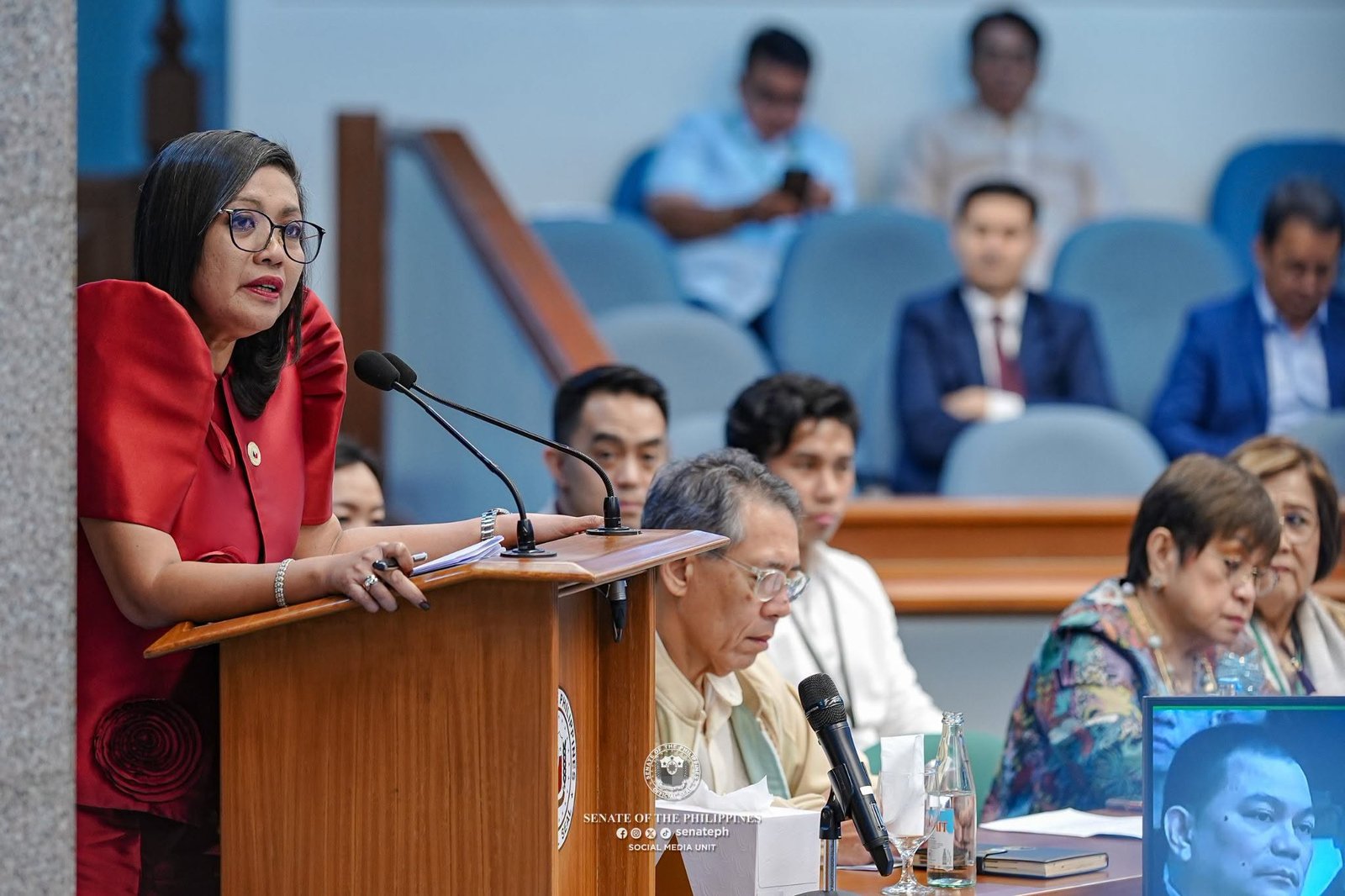
“We will stand on Article II,” lead prosecutor Jinky Luistro said, explaining the decision to narrow the case.
The move removes from the immediate trial allegations that Duterte misused P612.5 million in confidential funds and threatened to have President Ferdinand Marcos Jr., First Lady Liza Araneta-Marcos and former House Speaker Martin Romualdez killed.
The bribery charge was also withdrawn, but the three charges do not have the same procedural status.
Senate President Francis Escudero said Articles I and IV were withdrawn with prejudice, barring their revival in the current impeachment trial. Article III, which covers bribery, could potentially be refiled under applicable rules because prosecutors had not yet presented evidence on it.
The distinction means the confidential-funds and grave-threat charges will no longer be litigated in the current trial, while the bribery allegation may still be pursued through a permissible procedure. None of the withdrawals, by itself, establishes whether the underlying allegations are true or false.
Prosecutors cite time and public patience
The prosecution said narrowing the case would save the impeachment court time and help address public impatience over the proceedings. They also cited the need to avoid prolonged hearings as Congress prepares for the 2027 national budget deliberations.
Prosecutors maintained that all four charges were equally strong but opted to concentrate their efforts on the remaining allegations.
The decision comes after the prosecution presented more than a dozen witnesses in hearings on the confidential-funds and grave-threat allegations since July. No evidence had yet been presented on the bribery charge.
The withdrawal raises a public-accountability question: will narrowing the case produce a more focused examination of the evidence, or leave major allegations unresolved in the public record? Prosecutors’ assertion that all four charges were strong must be weighed against their decision to remove three from the current proceedings.
Dispute over public discussion
The Senate impeachment court lifted restrictions on public discussion of the withdrawn charges, allowing the parties to speak publicly about them.
Duterte’s defense objected that she would have no opportunity to rebut those allegations in the trial. Escudero said public discussion would allow her to respond outside the courtroom, but deferred a ruling on the objection while the lawyers consulted Duterte.
Defense spokesperson Michael Poa also cited a separate Regional Trial Court gag order concerning the grave-threat allegations. The Senate’s action does not, by itself, settle the scope or effect of that separate order.
Lifting the restrictions does not return the withdrawn allegations to the trial or establish their merits. Any public discussion must also respect applicable court orders.
Trial calendar moves forward
The prosecution is scheduled to submit its formal offer of evidence by October 23. The defense will have 10 days from receipt to comment.
Duterte has 26 calendar days from October 13 to prepare her defense, with the presentation of defense evidence set to begin on November 9.
The court has scheduled hearings on November 9–13, November 19–20 and November 23, with additional December dates to be set in early November.
The trial could conclude before the end of the year.
Public deserves evidence, not political claims
Prosecutors must produce verifiable evidence tracing Duterte’s wealth, establish whether her SALN declarations were accurate and complete, and identify any business interests that violate the law. Broad accusations are not enough; the remaining case must rest on records and testimony that can withstand scrutiny.
The Senate impeachment court must assess that evidence impartially and explain how its findings support—or fail to support—the constitutional grounds for removal. It must also make clear which allegations remain before it and which will no longer be resolved in the current trial.
The public deserves a transparent accounting of the evidence, clear findings on the remaining allegations and a reasoned decision grounded in law—not partisan loyalty or political convenience. If prosecutors maintain that all four charges were equally strong, they must explain why withdrawing three serves justice. The Senate, meanwhile, must show that a narrower trial can still deliver meaningful accountability.