KIDAPAWAN CITY (March 25) — The Agricultural Training Institute (ATI) is turning real farms into classrooms across Cotabato, aiming to transform local agriculture through hands-on learning. But while the initiative is ambitious, questions remain: can these “Learning Sites for Agriculture” (LSAs) truly reach the farmers who need it most?
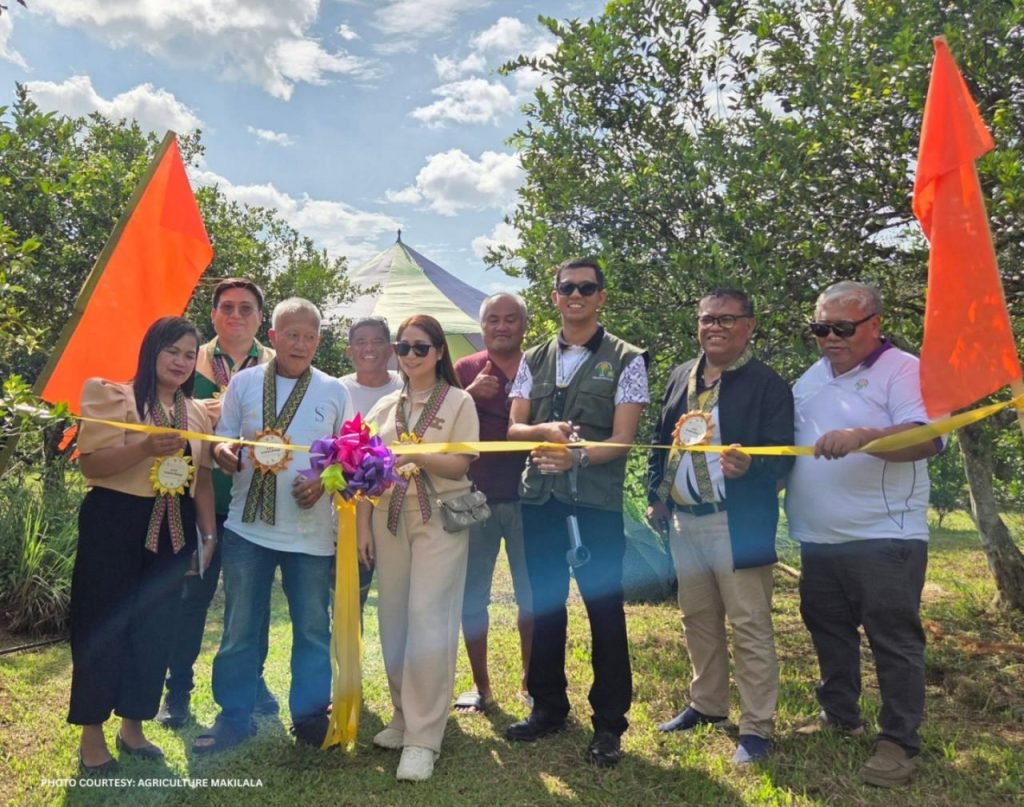
Newly accredited hubs include ACCG Buzzing Gardens and Donhills Mountain Spring Resort in Kidapawan City, Cordero Orange Farm in Makilala, and Lola Carmelita Farms in Magpet. Each site showcases specialized techniques—beekeeping, cacao eco-tourism, citrus cultivation, and mulberry and grape farming—giving visiting farmers a chance to learn by doing.
Jun Rey Samillano of ATI Region 12 stressed the peer-to-peer model. Farmers don’t just observe—they teach each other. “When farmers come to learn about the best practices on the farm, they relay that knowledge to visitors,” he said, highlighting how LSAs aim to bridge the gap between research and practice.
The potential payoff is clear: higher productivity, diversified crops, and stronger incomes. But critics caution that real impact depends on accessibility. Smallholders in remote barangays may struggle with travel costs, time constraints, or limited awareness. Techniques that thrive in curated learning sites might falter on less-resourced farms.
Still, ATI is pushing forward, combining practical training with community development. By turning farms into learning hubs, the agency hopes to seed a ripple effect—farmers adopting new methods, sharing insights with neighbors, and gradually reshaping the agricultural landscape of Soccsksargen.
Whether Cotabato’s growers can turn these lessons into lasting gains is the real measure. For now, ATI’s LSAs are a bold experiment—one that could either spark a local farming revolution or remain an isolated showcase of potential.