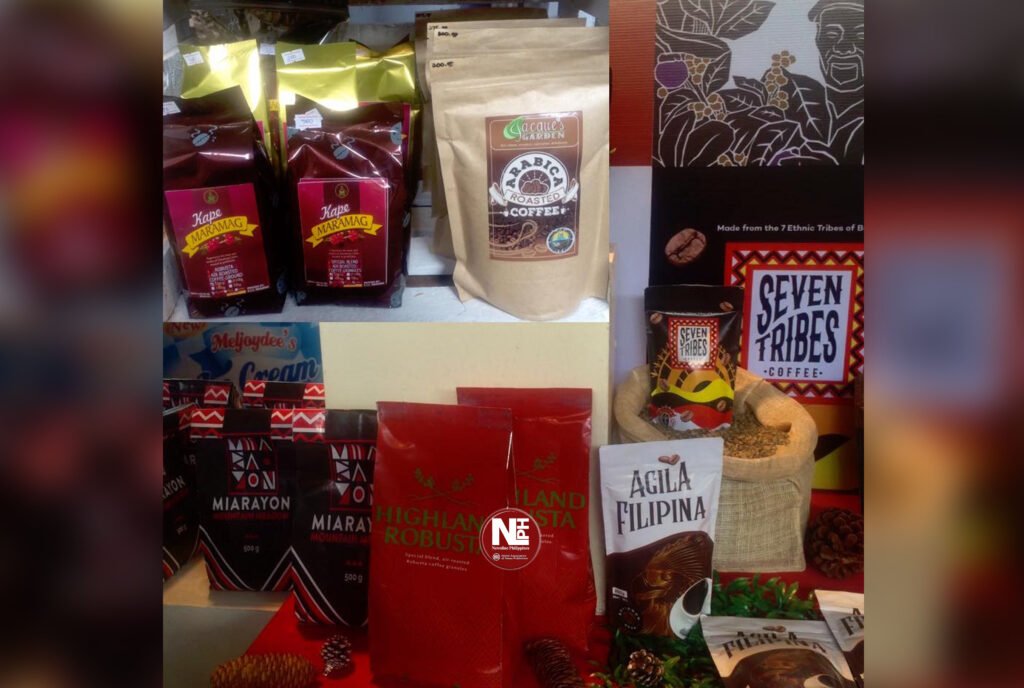
Bukidnon brews bid to be PH ‘Arabica Capital’ with decade-long coffee push

Date:

Share post:

PIA file photo

CAGAYAN DE ORO CITY (January 14) — From the cool highlands of Malaybalay to the mountain towns of Lantapan and Impasugong, Bukidnon is laying down a 10-year plan to turn coffee into a major economic engine — and claim the title as the country’s Arabica capital.

Provincial officials said the target is to expand Arabica coffee plantations to more than 10,000 hectares by 2035, positioning Bukidnon as the Philippines’ leading producer of high-value Arabica beans.

Governor Rogelio Neil Roque said the push will be anchored on the Bukidnon Coffee Roadmap, which the province will continue implementing in 2026 as part of its livelihood and sustainable growth agenda.

“The roadmap is not just a document. It is a path toward livelihood expansion, farmer empowerment, international recognition, and sustainable economic growth,” Roque said in a recent convocation speech.

From farms to finished coffee

Unlike traditional commodity farming, the roadmap focuses on value-adding at the local level — ensuring Bukidnon does not just grow coffee, but also earns more from it.

Key components include:

  • expanding Arabica plantations in suitable highland areas,
  • improving bean quality through farmer training,
  • investing in post-harvest facilities, and
  • strengthening market access, including roasting and grinding.

Provincial agriculture officials said this approach allows farmers to earn more per kilo, while keeping more of the coffee value chain inside Bukidnon.

“Kung hilaw lang ang ibaligya, gamay ra ang kita,” said a coffee grower from Lantapan. “Kung naa na’y roasting ug branding diri mismo, mas dako ang mabilin sa mag-uuma.”

Climate advantage, global ambition

Bukidnon’s elevation, cooler climate, and fertile soil make it one of the few areas in the Philippines naturally suited for Arabica — a premium variety favored in specialty and export markets.

Under the roadmap, the province aims to build a globally competitive Arabica industry, linking farmers to specialty cafés, institutional buyers, and potentially export markets.

Coffee advocates say the long-term plan also helps farmers adapt to climate risks by promoting diversified, shade-grown systems that protect soil and watersheds.

Livelihoods rooted in the land

For many upland communities, coffee is more than a crop — it is a stable alternative to environmentally damaging practices and low-income farming.

Provincial planners said expanding Arabica production could generate thousands of farm and post-harvest jobs, particularly for indigenous peoples and smallholder farmers in interior barangays.

“Kung molambo ang kape, molambo ang komunidad,” a local agriculture worker said. “Dili lang ani nga tuig, kundi sa sunod nga dekada.”

As Bukidnon sharpens its 10-year vision, officials say the real test will be consistency — sustained support for farmers, quality control, and market access — to ensure the province’s coffee ambition translates into lasting income on the ground.

“If we do this right,” Roque said, “Bukidnon will not just grow coffee — it will be known for it.”

spot_img

Related articles

CCC cites youth as key partners in climate resilience in SOCCSKSARGEN

Photo courtesy: Climate Change Commission PH ISULAN, Sultan Kudarat (January 25) — The Climate Change Commission (CCC) highlighted the...

Shariff Aguak Mayor escapes death in ambush

SHARIFF AGUAK, Maguindanao del Sur — Shariff Aguak Mayor Datu Akmad B. Ampatuan Sr., al-Hadj narrowly escaped death...

4 bodies found in search for sunken Davao vessel

DAVAO CITY (January 24) — Four bodies believed to be from the sunken recreational vessel MBCA Amejara...

Ambassador Nina Cainglet Hails “Beneath the Badge” Award as a Triumph of Filipino Storytelling

DHAKA, Bangladesh (January 24) — The Philippine documentary Beneath the Badge (Sa Likod ng Tsapa), directed and produced...