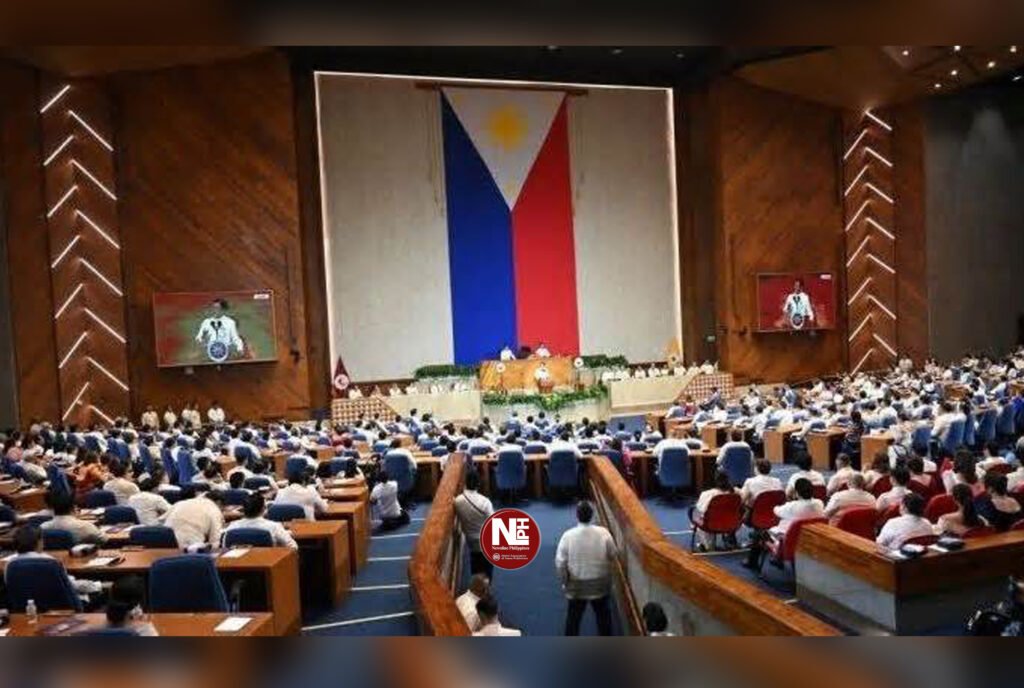
MANILA(January 29) — The House Committee on Suffrage formally opened deliberations on long-stalled anti-political dynasty bills on January 27, as lawmakers and experts discussed how to curb entrenched political families while respecting voters’ rights.
With 21 bills filed, lawmakers face key questions: How far should family restrictions go? When should candidates be barred? And could limits on dynasties clash with the public’s right to vote or run for office?
Comelec Chair George Garcia warned that a single law is not enough. He called for broader electoral reforms to ensure equal opportunity and prevent abuses linked to dynasties, including corruption and poverty. Garcia also stressed clear rules for candidacy cancellation and substitution, noting that relatives could otherwise replace disqualified candidates.
Experts debated constitutional limits. Rep. Miro Quimbo said rights to vote and run are “never absolute” and can be limited to promote fairness. Rep. Roman Romulo emphasized that popular sovereignty must guide interpretation.
Legal specialists highlighted that restrictions would apply to both elected and appointed offices, covering relatives up to the second degree of consanguinity or affinity, and would include simultaneous and successive office-holding.
Voter empowerment emerged as a central theme. Experts said political dynasties thrive due to high election costs, incumbency advantages, and limited voter choice. Michelle Castillo, UP assistant professor, noted that dynasties often reduce voters’ options to pre-selected family members. Allan Panolong, IBP president, warned that dynasties consolidate power through patronage and party control.
Some questioned blanket bans. CPBRD Director David Yap noted that honest, capable family members could be unfairly barred, while also pointing out loopholes that allow allied families to maintain influence. He framed the debate as a question of trust in voters.
Human rights lawyer Neri Colmenares reminded Congress that an anti-dynasty law is a constitutional mandate, and committee chair Zia Alonto Adiong called the hearings a step toward equal access, fair competition, and restored public trust.
The discussions come more than a decade after previous anti-political dynasty bills moved through committee, and ahead of the 2028 national and local elections, keeping the spotlight on how to balance democracy, fairness, and voter choice.