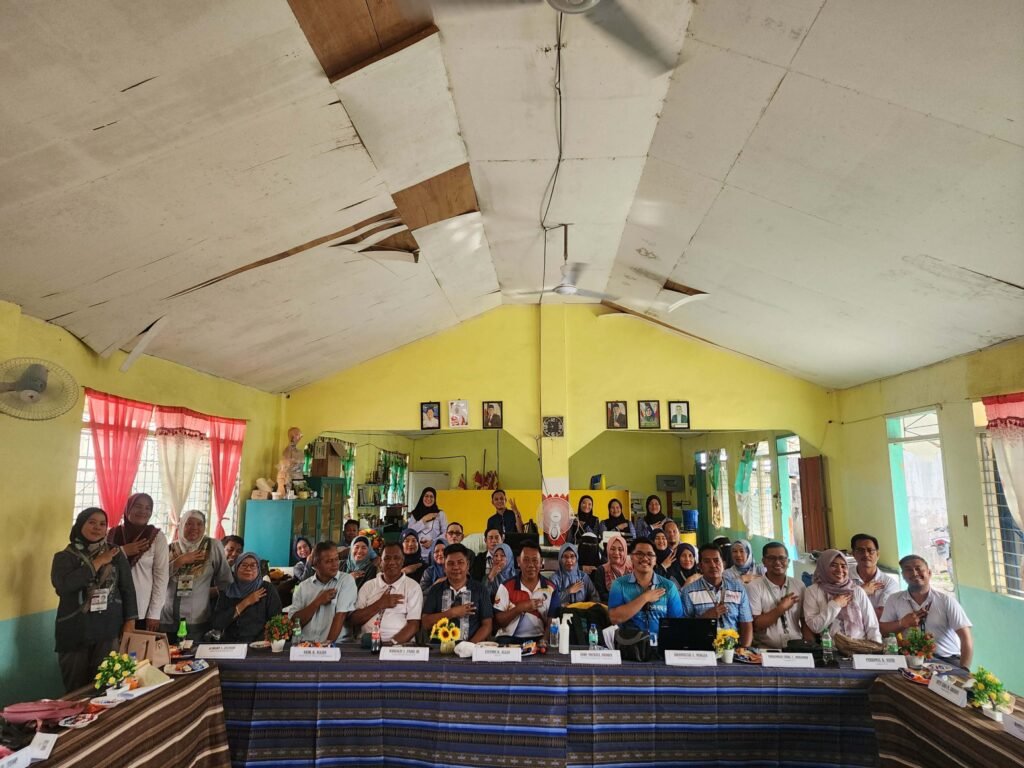
33 teachers from 12 Sibutu schools in Tawi-Tawi completed cybersecurity, data privacy, and OSAEC training under the Department of Information and Communications Technology digital skills program. PIA
ZAMBOANGA CITY (February 17) — As internet signals reach deeper into the country’s southernmost islands, the government is racing to ensure children are protected online.
On the remote island of Sibutu in Tawi-Tawi, 33 teachers from 12 schools have completed training on cybersecurity, data privacy, and Online Sexual Abuse and Exploitation of Children (OSAEC), equipping them to become digital safety frontliners in their communities.
The training was rolled out by the Department of Information and Communications Technology (DICT) as part of its ICT Capacity Development and Digital Skills Training program — an initiative that goes beyond simply providing internet access and focuses on responsible, secure, and inclusive digital participation.
The move comes as connectivity expands in geographically isolated areas under the government’s Free Public Internet Access Program (FPIAP), which prioritizes public schools, government offices, and rural health units in underserved provinces, including parts of Tawi-Tawi and Sulu. Satellite technology is now being deployed to bridge connectivity gaps in areas long challenged by limited infrastructure.
DICT-9 Regional Director Cheryl Ortega underscored that stronger internet access must be matched with stronger safeguards.
“Connectivity without cybersecurity is a risk,” she emphasized, noting that data privacy protections are critical in protecting both government systems and citizen information.
To reinforce secure digital transactions, DICT continues to promote the Philippine National Public Key Infrastructure (PNPKI), which enables legally recognized and encrypted online government services.
With the approval of the 2026 General Appropriations Act on January 5, DICT-9 is accelerating programs aimed at expanding connectivity, strengthening digital skills, and modernizing public services across the Zamboanga Peninsula.
For island communities like Sibutu — where physical distance has long meant limited access to services — the goal is clear: not just to connect classrooms to the internet, but to empower teachers and students to navigate the digital world safely.
As more children log on for school, communication, and opportunity, educators in Tawi-Tawi are now better prepared to ensure that access to the digital world does not come at the cost of their safety.