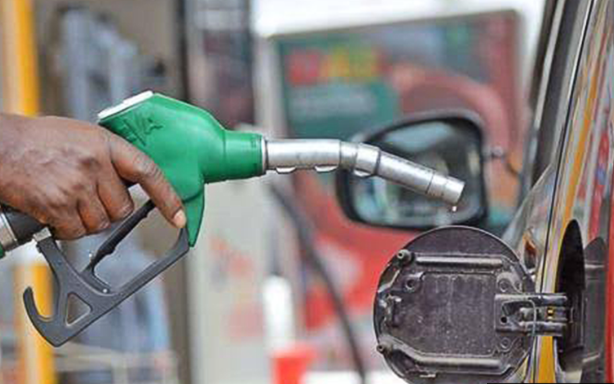
MANILA (October 13) — Diesel prices will fall by more than P3 per liter on Tuesday, October 13, offering some relief to motorists and transport operators, even as gasoline and kerosene prices rise by more than P1 per liter.
The Department of Energy (DOE) announced Monday the following adjustments, which take effect Tuesday morning and remain in force until the next round of price changes:
· Diesel: down P3.01 per liter
· Gasoline: up P1.56 per liter
· Kerosene: up P1.77 per liter
The mixed adjustments follow last week’s price movements, when diesel fell by P1.30 per liter, while gasoline increased by P1.93 and kerosene by P3.30.
The consecutive diesel rollbacks could ease fuel expenses for public utility vehicle operators, freight haulers and other diesel-dependent businesses. However, motorists using gasoline-powered vehicles and households relying on kerosene will face additional costs.
Global supply shifts drive mixed adjustments
The DOE attributed this week’s uneven price movements to developments in global petroleum supply, including China’s temporary suspension of refined petroleum product exports, the availability of middle distillates and measures intended to ease the international diesel shortage.
“There are major, positive developments in diesel,” DOE Oil Industry Management Bureau Director Rino Abad said during a press briefing Monday.
The department cited supply-release agreements involving G7 member countries and the United States and Russia as factors contributing to the diesel price rollback.
According to the DOE, G7 members agreed at an October 2 meeting to release 100 million barrels of petroleum supplies, particularly diesel, to help ease supply pressures.
The department also cited an agreement between the United States and Russia to release 2.25 million barrels of Russian diesel to US and global markets in October. The reported arrangement includes another 3.75 million barrels in November, followed by 7.5 million barrels in subsequent months and a potential additional 7.5 million barrels, depending on refinery capacity to process crude oil.
Kerosene prices, meanwhile, remain sensitive to the supply and cost of middle distillates, a category of petroleum products that includes diesel and jet fuel.
The DOE said the supply measures could help ease diesel shortages but noted that gasoline and kerosene could remain expensive without comparable increases in supply for those products.
Despite the diesel rollback, the latest adjustments underscore how global supply disruptions and differences in product availability continue to push Philippine pump prices in opposite directions.