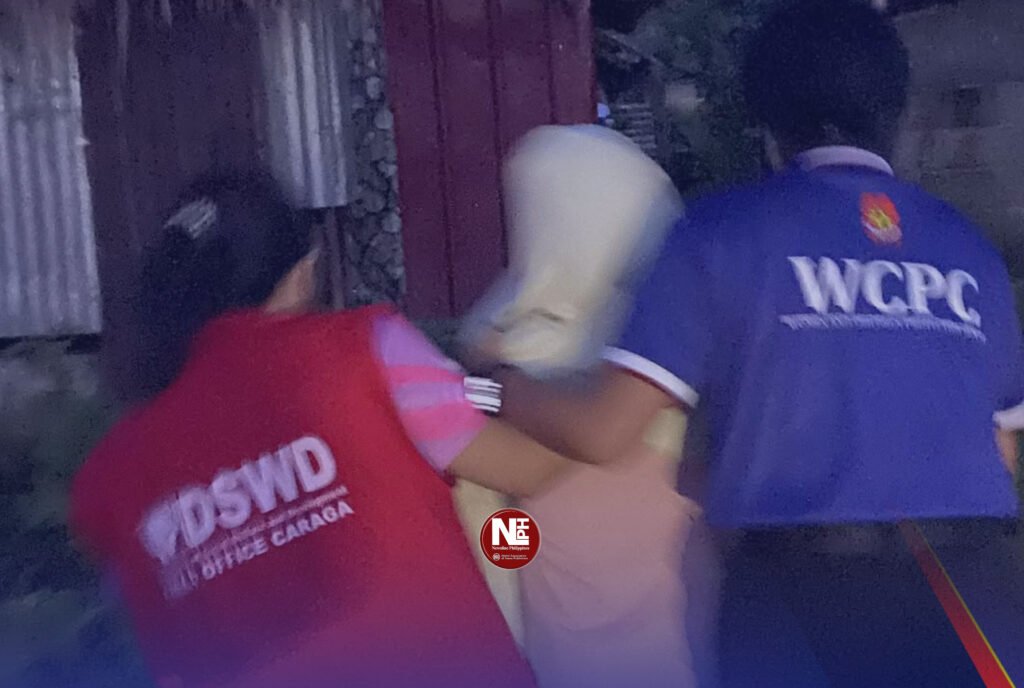
BUTUAN CITY (January 30) — The Department of Social Welfare and Development (DSWD) Caraga assisted 54 survivors of human trafficking and online sexual abuse and exploitation of children (OSAEC) in 2025, highlighting growing concern over technology-facilitated abuses that have surged across the Philippines.
In a statement Wednesday, DSWD-13 said the group—40 women and 14 men—received aftercare and psychosocial support through its Recovery and Reintegration Program for Trafficked Persons (RRPTP), which emphasizes trauma-informed, survivor-centered care.
The program also extended financial and material assistance to help survivors rebuild their lives, including funds for court costs, educational support, and livelihood aid.
“These achievements show the strength of our collective efforts to protect trafficked persons and OSAEC victims,” said DSWD-13 Director Mari-Flor Dollaga.
Regional displacement, support efforts
Home visits were conducted to monitor progress, while barangay courtesy calls helped reinforce local protection mechanisms, the agency said. Five rescue operations across the region—including in Buenavista, Sison, Tago, and Butuan City—led to the immediate identification and assistance of trafficking and OSAEC victims.
The Department of Social Welfare and Development also alerted social workers to remain ready to augment food packs and psychosocial support if evacuations continue.
Growing online abuse trends
Human trafficking and OSAEC remain persistent problems in the Philippines:
- Nationally, DSWD assisted over 2,000 trafficking survivors in 2023, including 320 minors rescued from OSAEC and related abuse, illustrating the scale of the issue.
- In Northern Mindanao, OSAEC was the leading form of trafficking, accounting for 49 out of 75 reported cases in one recent annual report.
- UNICEF-linked research indicates that roughly 20 % of internet-using children aged 12–17 had experienced OSAEC in a given year, reflecting both high vulnerability and underreporting.