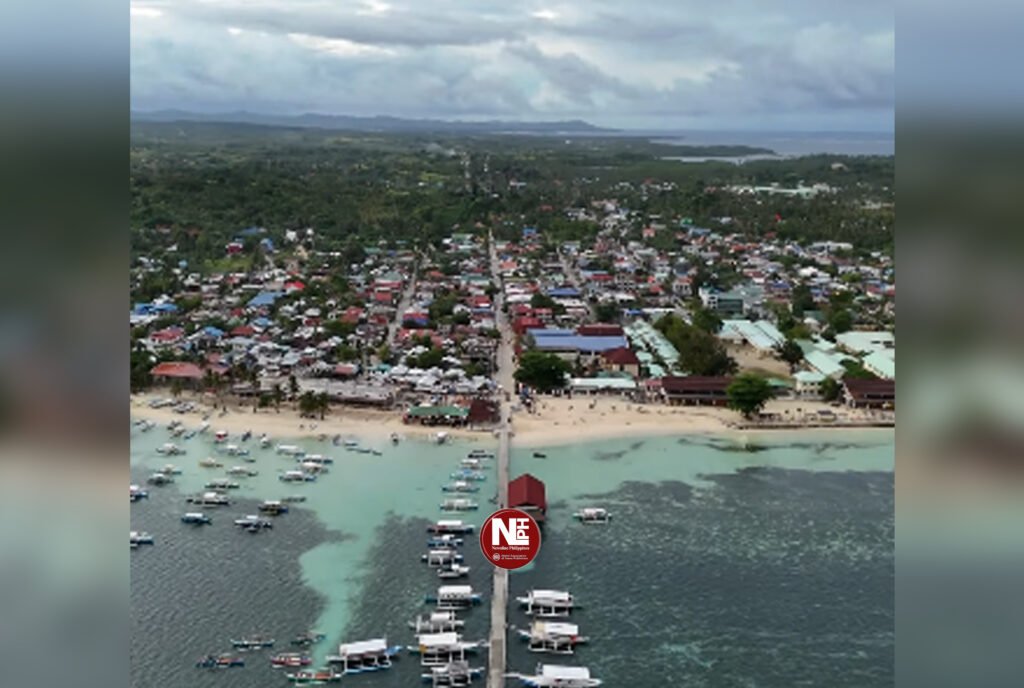
SIARGAO ISLAND (January 26) — Repeated power outages are threatening the island’s tourism-driven economy and local businesses, prompting consumer advocates to call for urgent government action to secure Siargao’s energy future.
The latest island-wide blackout on January 9 came just weeks after a multiday outage in December caused by a 34.5-kilovolt protection system trip. Authorities said the disruption occurred when an uprooted tree struck the Siargao Electric Cooperative (SIARELCO) subtransmission line in Sitio Kan Lumen, Barangay Doña Helen, Socorro, cutting electricity across Siargao and neighboring Bucas Grande Island.
The December outage echoed a more severe two-week blackout in December 2024, triggered by a fault in the 34.5-megavolt submarine cable linking Barangay Cagdianao in Claver to Barangay Doña Helen. That prolonged outage forced emergency measures and sparked calls for a state of calamity, as businesses suffered heavy losses.
“These repeated blackouts expose weaknesses in Siargao’s energy infrastructure,” said Beng Garcia, national convenor of Ilaw Pilipinas, a grassroots group advocating for fair and affordable electricity. “Every outage hits the local economy. The island urgently needs long-term energy security.”
Ilaw warned that recurring power failures threaten the island’s thriving tourism sector. Siargao welcomed 112,510 visitors in the first quarter of 2025, but frequent outages drive up costs and disrupt essential services.
“Resorts, restaurants, and transport operators are hit hard. Small businesses report losses of ₱15,000 to ₱100,000 for each day without electricity,” Garcia said. “Many establishments run generators for days, draining funds intended for expansion or wages. For those without backup power, a blackout can mean total closure.”
The power instability also affects education and community life. “Schools are forced to suspend classes, interrupting students’ learning and teachers’ productivity,” said Francine Pradez, Ilaw Pilipinas youth convenor. “Communities lose momentum every time power goes out.”
Garcia stressed the need for diversified power sources to prevent future disruptions. “When one connection fails, the island must still be able to function. Diversifying energy sources is key to building resilience and protecting local businesses and tourism.”
Ilaw Pilipinas urged national government agencies to treat Siargao’s power crisis as a matter of national economic concern, highlighting the risks to tourism, local investment, and the livelihoods of island residents.