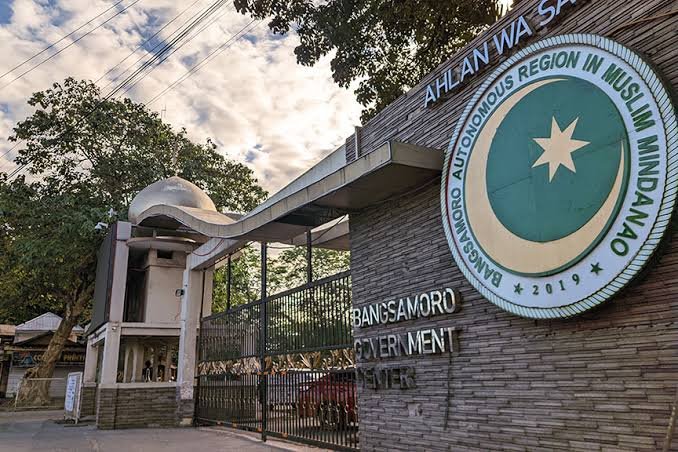
CAGAYAN DE ORO CITY (September 3) — The first parliamentary elections in the Bangsamoro Autonomous Region in Muslim Mindanao (BARMM) will be more than a contest for political power—they will test whether decades of peace efforts can translate into credible, inclusive and peaceful democratic governance.
Prof. Tirmizy Abdullah, a history professor at the Mindanao State University in Marawi, described the Sept. 14 elections as an “ultimate litmus test” for the Bangsamoro peace process, saying their success would reflect how far the region has moved from armed conflict toward democratic participation.
“The first BARMM parliamentary elections is not only historic; it is also fundamentally different from an ordinary election. It is a crucial milestone in our long journey toward peace,” Abdullah told the Inquirer on Monday.
He said a peaceful and credible vote would represent a victory not only for the electoral process but also for the Bangsamoro people and the peace process that made the autonomous government possible.
“A peaceful vote means a victory for both peace and the Bangsamoro people,” he said.
Abdullah said the elections should be understood within the broader normalization process, which seeks to replace armed struggle with political participation and create institutions through which Bangsamoro aspirations can be pursued peacefully.
“The parliamentary elections are, in fact, part of the architecture of peace,” he said, describing the polls as an important component of the transition from armed struggle to democratic political participation.
He said the credibility of the elections will depend not simply on the outcome but on whether the process is inclusive, transparent and peaceful.
The polls, he added, should not be viewed merely as a competition among political parties and candidates.
“This is not merely about who will win or who will lose politically,” Abdullah said, stressing that the elections are tied to the larger effort to transform the conditions that once fueled conflict into democratic institutions and opportunities.
For the Moro historian, ensuring credible and peaceful elections is essential to validating decades of negotiations and the sacrifices made by generations of Bangsamoro who endured conflict in pursuit of self-determination.
The stakes, therefore, go beyond the formation of the first elected BARMM parliament.
The Sept. 14 vote will also test whether the promise of peace can withstand the pressures of electoral politics—and whether the Bangsamoro transition can deepen public trust in democracy as an alternative to armed struggle.
As Abdullah put it, the elections are “less about choosing lawmakers and more about choosing peace.”