MANILA (March 23) — The Philippines is being courted as a potential site for a new ammunition production line under a US-led defense alliance, a move that has raised alarm among critics who warn it could deepen the country’s entanglement in foreign military agendas.
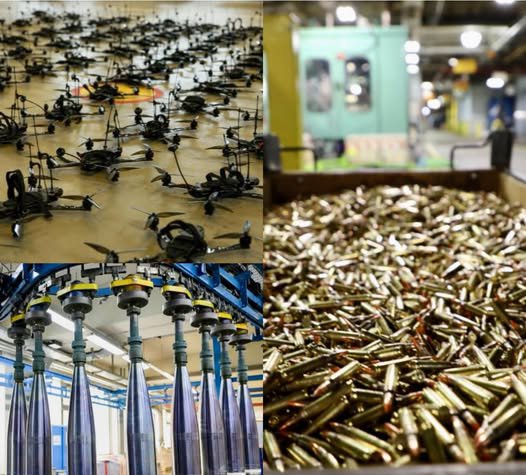
The Partnership for Indo-Pacific Industrial Resilience (Pipir) announced Friday that it is exploring building a facility in the Philippines to load and assemble 30mm cannon rounds—ammunition used by military aircraft and armored vehicles. The initiative comes alongside programs to produce missile motors with Japan and coordinate drone development across the Indo-Pacific.
The Pentagon said the efforts aim to strengthen regional defense manufacturing, reduce supply chain vulnerabilities, and ensure allies can maintain military readiness closer to potential conflict zones. Pipir now includes 16 countries, after Thailand and United Kingdom joined the partnership.
But leftist lawmakers in the Philippines see the plan as far from neutral. The Makabayan Bloc, led by Antonio Tinio, Sarah Jane Elago, and Renee Louise Co, warned that hosting an arms facility would turn the Philippines into “a logistical extension of US warmongering.”
“Any move to host ammunition production lines for weapons used by aircraft and armored vehicles is direct material support for militarism and aggression,” the bloc said. They added that it exposes the country to retaliation, sabotage, and accidents while further embedding the Philippines in foreign military strategies.
The debate underscores a tension at the heart of Manila’s defense posture: while officials may frame foreign partnerships as opportunities for industrial growth and modernization, critics question the costs. Weapons production is not just an economic activity—it carries strategic and security implications, potentially drawing the Philippines into regional conflicts it may not otherwise enter.
Moreover, analysts note that presenting militarization as “partnership” risks normalizing an industry built on conflict and profit. The proposal highlights the broader question of sovereignty: how much control does the Philippines retain over its territory and industrial capacity when hosting facilities designed to serve foreign military objectives?
As Pipir pushes forward, the Philippines faces a critical choice. Beyond economic incentives, the country must weigh the long-term consequences of hosting an arms hub in a volatile region, and whether such partnerships align with national interests—or simply make the nation a frontline extension of external strategic agendas.