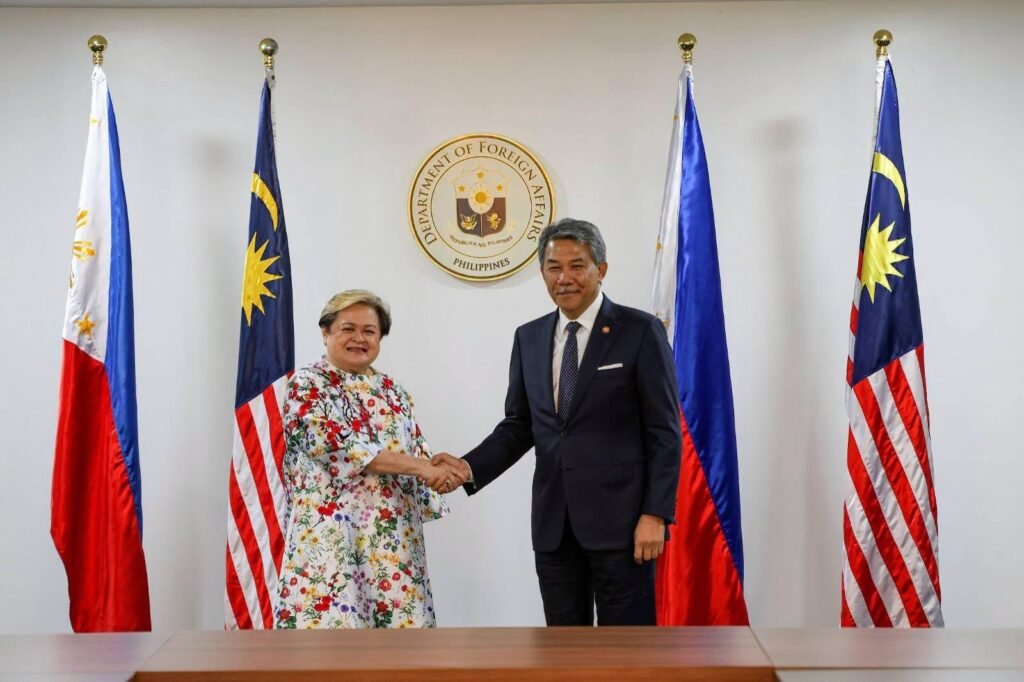
MANILA (August 20) — When global oil markets tightened after fresh turmoil in the Middle East, the Philippines quietly turned to a familiar neighbor for help: Malaysia.
New trade figures show Kuala Lumpur stepping in as a key stopgap supplier of fuel, underscoring how quickly global shocks can reach Filipino households through higher transport and energy costs.
From January to May 2026, trade between the Philippines and Malaysia climbed to $4.21 billion, up 9.5 percent from a year earlier, according to Malaysian Foreign Minister Mohamad Bin Haji Hasan. The increase puts both countries on track toward a $10-billion trade target.
Behind the growth is a surge in Philippine purchases of refined petroleum products. Malaysian officials said Manila’s fuel imports helped drive the uptick during the 9th Philippines-Malaysia Joint Commission Meeting held in Manila.
Between January and August, Philippine imports from Malaysia reached about $703 million, including roughly $80 million in crisis-related fuel purchases from March to June.
The sharpest spike came in April, when diesel shipments jumped by about 329,000 barrels worth $116.8 million—around $35 million above normal levels.
For energy analysts, the numbers reflect a familiar pattern: disruptions in the Middle East quickly ripple into Southeast Asia, forcing import-dependent countries like the Philippines to scramble for alternative suppliers to keep transport, power, and industry running.
Malaysia’s role as a backup supplier offers some breathing room, but it also highlights a persistent vulnerability. The Philippines remains heavily reliant on imported fuel, leaving it exposed to price swings and geopolitical shocks far beyond its control.
Beyond energy, both governments are trying to widen cooperation. Malaysian officials pointed to digital connectivity and artificial intelligence as new areas of partnership, while Philippine Foreign Affairs Secretary Ma. Theresa P. Lazaro pushed for stronger regional trade ties and greater economic resilience.
The talks also covered agriculture, food security, labor migration, and defense cooperation.
Malaysia reiterated its support for the Mindanao peace process and pledged backing for the Philippines’ ASEAN chairmanship in 2026. The next joint commission meeting will be held in Kuala Lumpur in 2027.