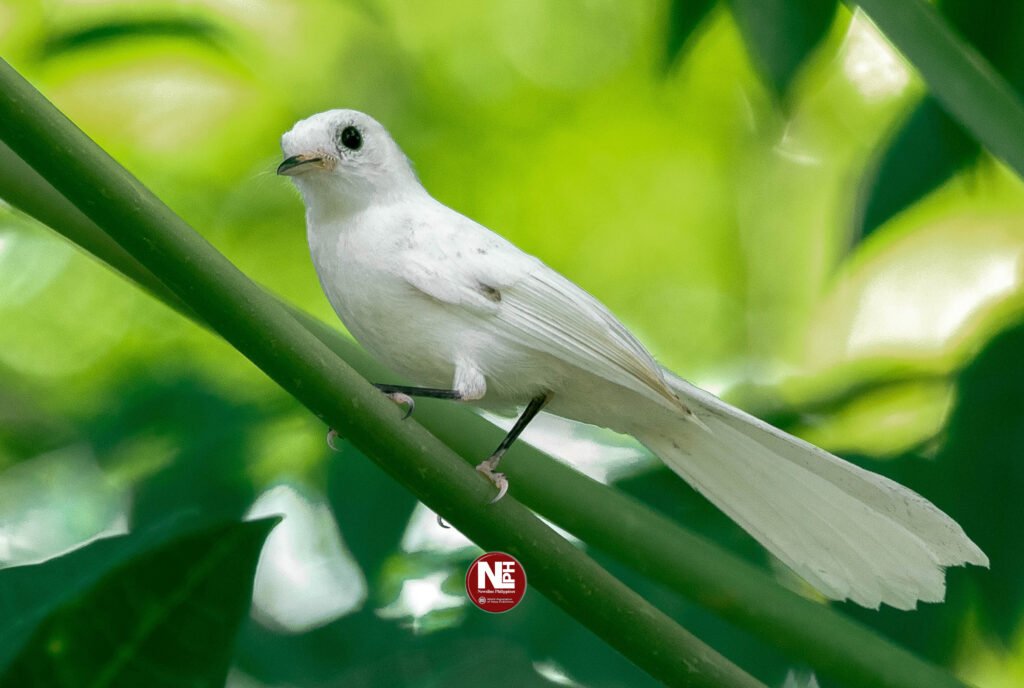
ZAMBOANGA CITY (December 18) – A rare and striking variant of the Philippine Pied Fantail has been documented in Great Sta. Cruz Island, offering both scientists and conservationists a glimpse of the region’s rich and still-surprising biodiversity.
The Department of Environment and Natural Resources (DENR) said the leucistic bird was recorded during a routine patrol by staff of the Protected Area Management Office (PAMO) in the Great Sta. Cruz Island, part of the Great and Little Sta. Cruz Islands Protected Landscape and Seascape.
According to the DENR’s Zamboanga Peninsula office, the bird was documented on December 16, 2025, by Environmental Management Specialist Godfrey Lopez while patrol teams were conducting regular monitoring activities within the protected area.
The Philippine Pied Fantail is a medium-sized bird endemic to the Philippines and belongs to the Rhipiduridae family.
What makes this particular sighting remarkable, DENR said, is the bird’s leucism—a rare genetic condition that causes lighter-than-normal plumage without affecting eye color or vision.
“Leucistic birds differ from albinos, which are entirely white and have red eyes,” the DENR-Zamboanga Peninsula explained. “Unlike albinos or birds with partial albino patches, leucistic birds retain normal eyesight and behavior.”
The agency noted that such sightings are uncommon and often go undocumented, making the observation significant for biodiversity records and conservation awareness.
It also highlights the importance of regular patrols and habitat protection in biodiversity-rich areas like the Sta. Cruz Islands.
DENR officials said the presence of rare wildlife variants underscores the ecological value of the protected landscape and seascape and reinforces the need to safeguard these habitats from environmental threats.
“This sighting is a reminder that even well-known areas can still reveal extraordinary natural treasures,” the DENR said, urging continued support for conservation efforts in Zamboanga City’s protected areas.