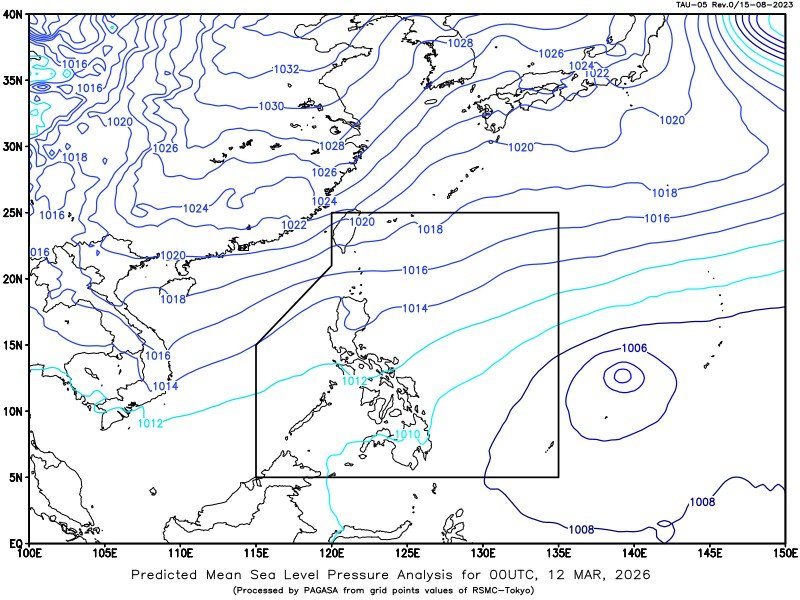
DAVAO CITY(March 12) — Torrential rains brought by a persistent shear line have ravaged farms across the Davao Region, leaving nearly P1 billion in agricultural losses and putting thousands of farmers at risk of losing an entire planting season.
Initial validation by the Department of Agriculture Regional Field Office XI shows PHP942.4 million in damage and losses to crops, livestock and agricultural infrastructure after days of continuous rain triggered flooding and landslides in several provinces.
The disaster has already affected 14,102 farmers and 9,405.96 hectares of farmland, with production losses estimated at 36,587 metric tons, according to the agency’s disaster risk reduction and management unit.
Among the hardest hit are rice, corn, cassava and high-value crops, staples that sustain both local food supply and farmers’ livelihoods.
Farms flooded, harvests lost
Agriculture officials said the shear line caused prolonged rains that inundated farms, destroyed crops and damaged irrigation facilities and other farm infrastructure.
For many farmers, the losses represent months of labor wiped out by a single weather disturbance.
Authorities warned that the damage figure could still rise as field teams continue validating reports from affected areas.
Government scrambles to respond
The agriculture office has begun distributing emergency assistance drawn from government reserves, including rice, corn and vegetable seeds, as well as animal medicines and biologics.
“Our delivery of initial interventions is ongoing,” said Joedel Leliza, disaster risk reduction focal person of DA-11.
The agency is also conducting rapid damage assessments in areas hit by flooding and landslides to determine the full extent of the disaster.
Aid sought as recovery looms
Officials have requested quick response funds from the Department of Agriculture central office while coordinating with local governments, irrigators’ associations and other disaster-response agencies.
Meetings with governors and lawmakers are also underway to discuss additional financial support for affected farmers.
Threat to local food supply
Beyond the immediate economic losses, agriculture authorities are also monitoring possible disruptions to the region’s food supply chain as large areas of farmland remain under water or heavily damaged.
The scale of the destruction underscores the growing vulnerability of farming communities in southern Mindanao to extreme weather events—where a few days of relentless rain can wipe out harvests and livelihoods in one blow.