Nearly 2,000 inpatients recorded in 2025 as hospital warns that age is no shield
DAVAO CITY (August 25) — Stroke is no longer an illness to associate only with old age.
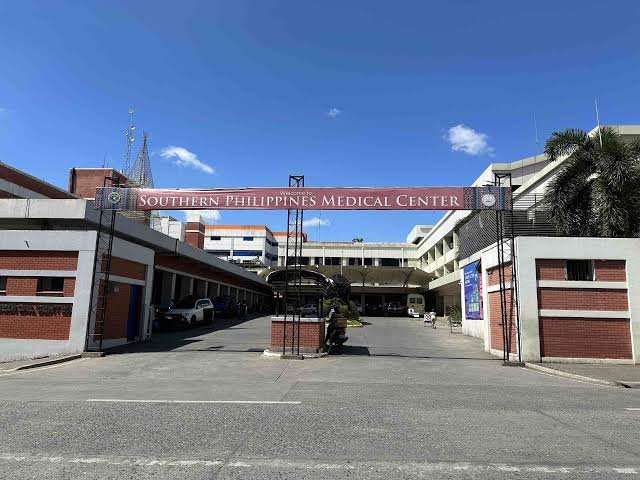
At the Southern Philippines Medical Center (SPMC), patients in their 20s are already showing up with the condition—some as young as 23 and 27—prompting doctors to urge younger adults to take prevention seriously.
SPMC Medical Officer III Dr. Rafael Nicholas Banga said the hospital recorded nearly 2,000 stroke inpatients in 2025. Its neurology outpatient service also handled about 2,000 patients during the same period.
In an interview with Davao City Disaster Radio on Aug. 19, Banga linked the younger patients’ strokes to risk factors including high cholesterol, smoking and drug use.
“Stroke can happen to anybody,” he warned.
The message is blunt: age does not protect people from a condition often associated with older adults. Uncontrolled high blood pressure and cholesterol, diabetes, obesity, physical inactivity, smoking and substance use can damage blood vessels and trigger either a blockage or bleeding in the brain.
Banga urged the public to act before symptoms appear by regularly checking blood pressure and cholesterol, maintaining a healthy weight, exercising, avoiding tobacco and illegal drugs, and seeking medical care for existing health risks.
He also stressed that recognizing stroke quickly can save brain function—and possibly a life.
Warning signs include sudden weakness or numbness in the face, arm or leg, especially on one side; difficulty speaking or understanding speech; sudden vision problems; dizziness or loss of balance; and a sudden, severe headache.
Anyone showing these symptoms should be taken to an emergency facility immediately. Delays can mean more brain damage and a harder recovery.
The appearance of stroke among people in their 20s is a warning that prevention cannot wait for middle age.
At SPMC, the advice is simple: check your risks, change unhealthy habits and act fast when symptoms strike.