TALAINGOD, DAVAO DEL NORTE(February 19) — In this remote municipality, classrooms that should shelter eager students stand empty. Solar panels, water systems, and internet connections promised under DepEd’s “Last Mile” Schools program remain undelivered.
Children continue to study under trees or in makeshift spaces, while officials face suspension over stalled projects.
The Commission on Audit (COA) report flagged two major projects: Camingawan Elementary School, which was never built, and Dulyan Integrated School, only partially completed. The combined ₱36 million budget was meant to provide basic learning infrastructure for schools in geographically isolated, disadvantaged, and conflict-affected communities.
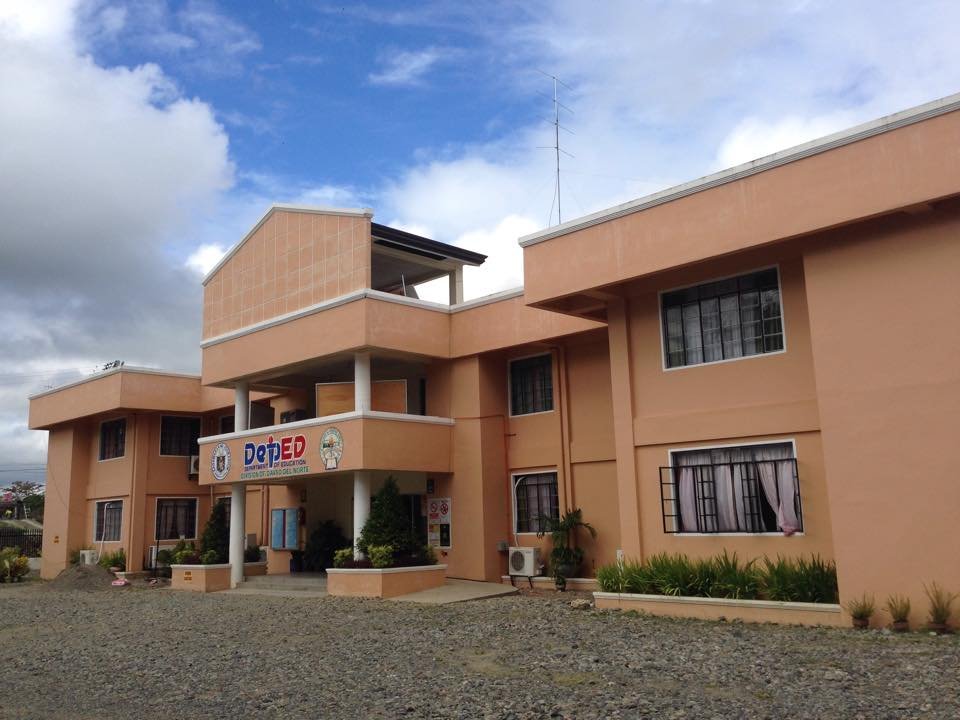
DepEd Davao officials, including the division superintendent, assistant superintendent, and facilities head, were placed under preventive suspension.
Spokesperson Jenielito Atillo emphasized the action “does not automatically mean they are guilty,” as investigations continue. Still, the stalled projects reveal deeper cracks in the system: weak oversight, delayed execution, and accountability gaps that hit the most vulnerable first.
“This is not about ghost projects,” Atillo said. “They were included in the official list of programs; they were just not implemented.”
For Talaingod’s students, the distinction is meaningless. Every day without classrooms, electricity, or learning materials is a day of lost opportunity. In rural communities, access to education is already a struggle — and delays like this widen the gap between urban centers and marginalized areas.
The suspension may satisfy administrative protocols, but for these children, the real measure of accountability will be whether the schools are finally built.
Talaingod is not just a case of stalled projects; it is a warning that in the Philippines’ most isolated communities, policy promises must be matched by action — or risk leaving a generation behind.