As the confirmation hearing closes, the International Criminal Court weighs whether Rodrigo Duterte’s case moves to full trial — or stalls before it begins.
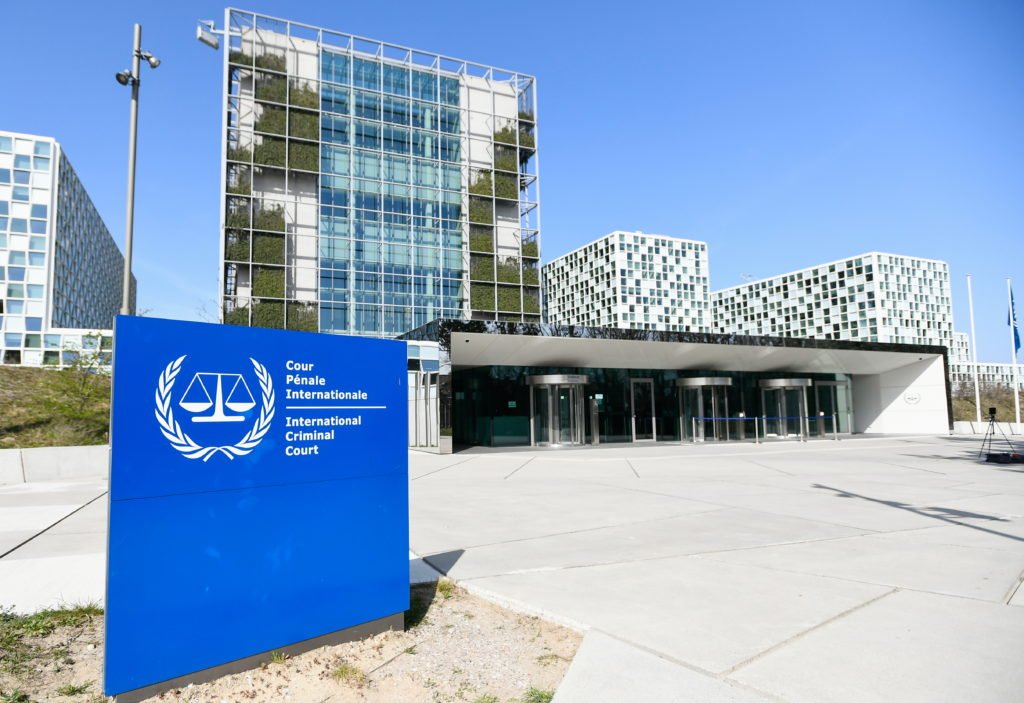
An exterior view of the International Criminal Court in the Hague, Netherlands.
DAVAO CITY (February 27) — The confirmation of charges against former president Rodrigo Duterte at the International Criminal Court is nearing its conclusion, with judges expected to decide whether the case will proceed to trial.
But this stage is not yet a verdict.
The ICC’s Pre-Trial Chamber is not determining guilt or innocence. Instead, it is deciding whether prosecutors have presented enough evidence to move forward with a full trial on allegations linked to Duterte’s anti-drug campaign.
Once the hearing wraps up, three possible paths lie ahead:
If charges are confirmed
Should judges find sufficient evidence, the case advances to trial before a newly constituted Trial Chamber — a different panel of judges from those who handled the pre-trial proceedings.
From there, timelines and procedures will be set. Prosecutors must prove their case “beyond reasonable doubt,” the ICC’s highest evidentiary threshold.
If convicted, Duterte could face up to 30 years in prison — or life imprisonment in exceptional circumstances. The court may also order reparations for victims.
If acquitted, he would be released.
Both sides retain the right to appeal. Any appeal would be heard by a separate Appeals Chamber, which could affirm, reverse, or order a retrial.
If a conviction stands, Duterte would not likely remain in the ICC detention facility in The Hague. Instead, he would serve his sentence in a country that has agreed to enforce ICC rulings.
If charges are not confirmed
If judges rule that prosecutors failed to meet the evidentiary threshold, the proceedings would halt.
However, such a decision would not automatically close the door on the case. Prosecutors may seek a new confirmation of charges if additional evidence emerges.
If more evidence is required
A third possibility is that judges request further investigation or amendments to the charges before making a final determination. That would delay any move toward trial while prosecutors strengthen their submissions.
Whatever the outcome, the confirmation stage marks only a critical checkpoint — not the end of proceedings.
Whether the case advances to trial, returns for further review, or stalls altogether, the ICC’s decision will shape the next chapter in Duterte’s legal battle on the international stage.