DAVAO CITY(January 29) — What should have been a routine ride home turned into a moment of fear and humiliation for a senior high school student—captured on video and shared widely online. The footage, showing a taxi driver making indecent and inappropriate remarks toward a young female passenger still in her school uniform, has reignited calls for stronger protections for women and children in public transport.
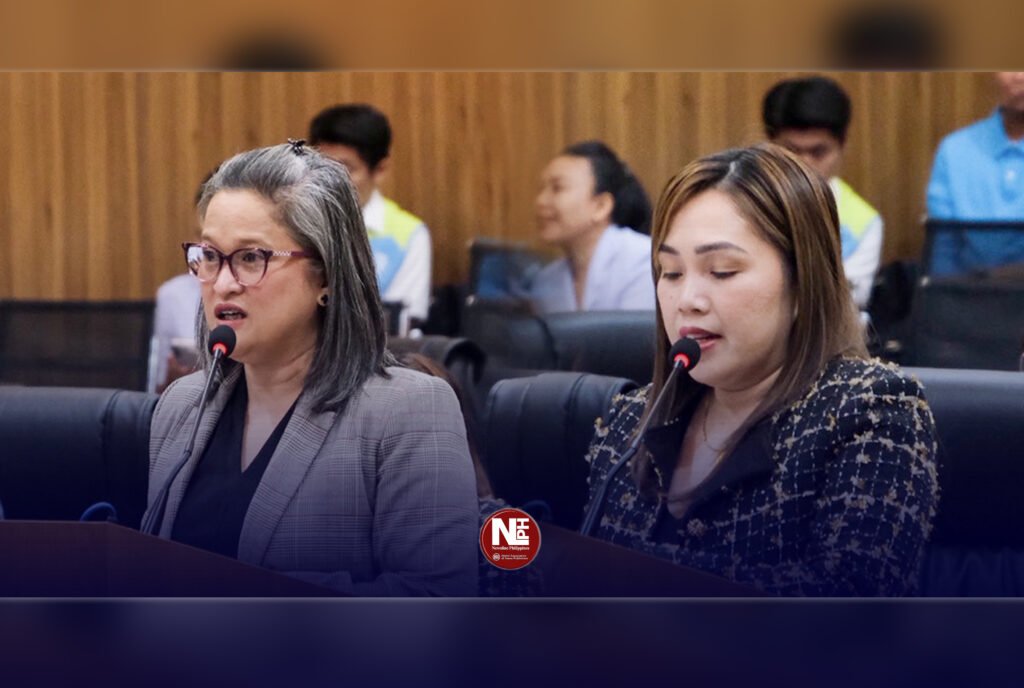
On Tuesday, two women members of the Davao City Council delivered separate privilege speeches, demanding accountability for the driver and urging transport authorities to institutionalize gender sensitivity and safe spaces training for operators and drivers.
Councilor Richlyn Justol-Baguilod, chair of the Committee on Women, Children, and Family Relations, described the incident as a serious breach of trust by someone tasked with ensuring passenger safety.
“It reflects a troubling act of harassment, exploitation, and abuse of trust by someone entrusted with the safety and welfare of passengers, especially minors,” Baguilod said, calling the incident “deeply disturbing” for having occurred inside a public utility vehicle.
She urged transport agencies, operators, and local governments to intensify information campaigns and mandatory training on child protection laws and the Safe Spaces Act, stressing that harassment in public transport remains a daily reality for many young women and students.
While acknowledging the swift response of authorities—including the Land Transportation Franchising and Regulatory Board–Davao Region (LTFRB-XI), the Land Transportation Office, and the City Transport and Traffic Management Office, which have already summoned the driver—Baguilod said enforcement must go beyond reactive action.
“This incident reminds us that young women and students continue to experience harassment in public spaces,” she said. “No child should ever be made to feel unsafe, violated, or demeaned on her way to school or home. No uniform should ever become an invitation for abuse.”
For students, the incident struck a familiar chord.
A senior high school student from a public school in Davao City, who asked not to be named for security reasons, said incidents like this heighten fear during daily commutes.
“Most of us take public transport every day. When something like this happens, it makes you feel like you always have to be alert, even when you’re just trying to get home safely,” she said. “We shouldn’t have to be scared just because we’re students or wearing our uniforms.”
Women’s rights advocates said the case highlights long-standing gaps in public transport safety.
“This is not an isolated incident—it reflects a pattern of harassment that many women and girls experience but rarely get justice for,” said Joana Paola, a women’s rights advocate based in Davao City. “Mandatory gender sensitivity and safe spaces training for drivers is not optional. It is a responsibility, especially for those operating public utility vehicles.”
Paola added that public transport should be treated as a regulated space where dignity and safety are non-negotiable, particularly for minors.
Councilor Pamela Librado echoed these concerns, stressing that the driver’s actions fall squarely under Gender-Based Sexual Harassment in Streets and Public Spaces, as defined in Section 4 of Republic Act No. 11313, also known as the Safe Spaces Act or Bawal Bastos Law.
Librado said the law clearly penalizes verbal, non-verbal, and physical acts of harassment in public areas, including public transportation, and warned that ignorance of the law does not excuse abusive behavior.
Both councilors underscored the need for sustained education, stricter monitoring, and accountability mechanisms to ensure that public transport remains safe for all passengers.
For advocates and students alike, the viral video has become more than a moment of outrage—it is a reminder that safety in public spaces must be enforced consistently, and that respect should never depend on age, gender, or what a passenger is wearing.