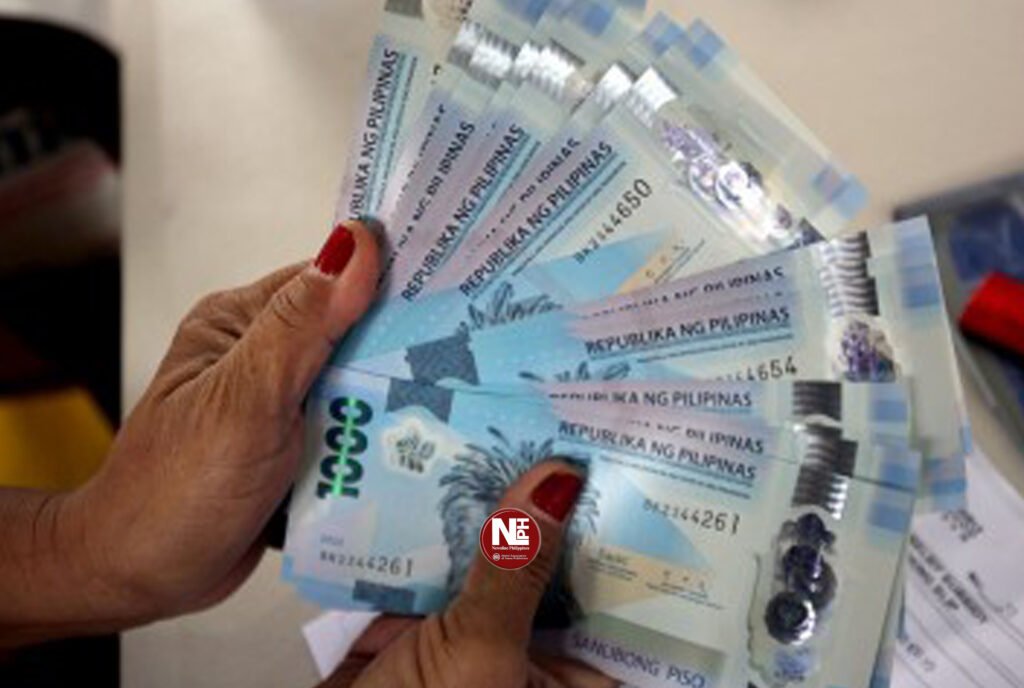
MANILA (January 9) — As the Philippines’ national government debt climbed to a record ₱17.65 trillion in November 2025, communities in Mindanao—from flood-prone river towns to fast-growing cities—are questioning why record borrowing has yet to translate into visible, lasting improvements on the ground.
Figures from the Bureau of the Treasury (BTr) show outstanding debt reached ₱17.647 trillion, overshooting the government’s full-year assumption by more than ₱300 billion even before December spending was booked.
Officials point to domestic, peso-denominated borrowing as a stabilizing strategy. But in Mindanao, where development gaps are longstanding and climate risks are rising, residents are asking a simpler question: Where is the payoff?
From Bukidnon to Zamboanga: familiar problems, bigger numbers
In Bukidnon, farmers along river systems say recurring floods continue to damage crops despite repeated national pledges on flood control and watershed protection.
In Cagayan de Oro, residents of low-lying barangays brace for heavy rains each year, while drainage upgrades and river-basin interventions move slowly or remain unfinished.
In Zamboanga City, water supply interruptions and aging infrastructure persist, even as officials cite large national outlays for public works and resilience.
Further south, parts of Maguindanao del Sur and Lanao del Sur still struggle with limited hospital capacity and overcrowded classrooms—basic needs that borrowing is often justified to address.
“People hear about trillions in debt, but in many places the same problems repeat every year,” said a Mindanao-based development worker. “Floods come, roads break, clinics stay understaffed. It feels disconnected.”
Domestic debt, local trade-offs
As of November, 68.7 percent of national debt—about ₱12.1 trillion—was owed to domestic creditors, with external debt at ₱5.53 trillion.
The Treasury argues this reduces foreign exchange risk and keeps interest payments within the country. Watchdog groups counter that interest costs still compete directly with regional spending, squeezing funds that could otherwise go to Mindanao’s hospitals, schools, irrigation systems, and disaster mitigation projects.
For cities like Davao, General Santos, and Iligan, fast population growth means constant pressure on transport, housing, and health systems—needs that cannot wait for trickle-down benefits from national borrowing.
Targets breached, trust tested
The November debt figure not only set a new record but breached the government’s own target ahead of schedule, fueling doubts about fiscal forecasting and discipline.
Civil society groups argue this matters more outside Metro Manila, where communities are often asked to be patient while waiting for projects promised years ago.
“When targets keep moving and debt keeps growing, people start asking if planning is realistic—or if regions like Mindanao are always last in line,” said a budget transparency advocate.
How big is ₱17.65 trillion—compared to Mindanao spending?
- ₱17.65 trillion
→ Total national government debt (November 2025) - Hundreds of billions of pesos
→ Typical combined annual national government allocations for all Mindanao regions (including infrastructure, social services, and transfers) - What this means:
Even one year of Mindanao-wide national spending represents only a small fraction of total outstanding debt. Interest payments alone can exceed the annual budgets of several regional programs combined. - Community question:
If debt keeps rising faster than regional investments are felt, who absorbs the cost—and who sees the benefit?