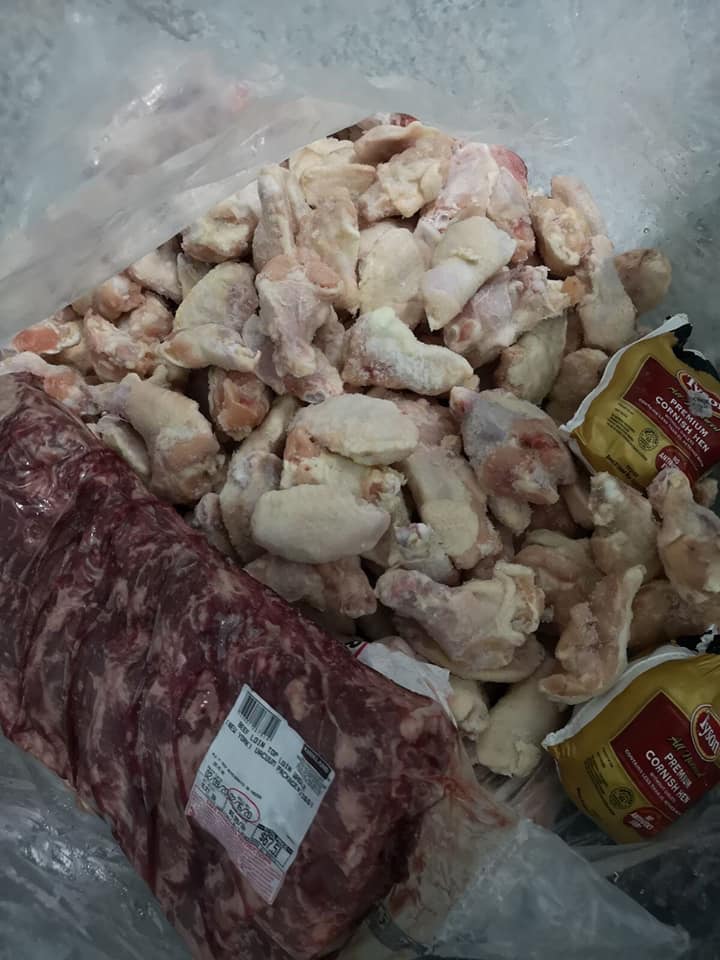
DAVAO CITY –— The Bureau of Customs (BOC) Port of NAIA has intercepted a total of 775.6 kilograms of meat and meat products without Sanitary & Phytosanitary clearance from January to June 2020.
The meat and meat products that were confiscated include 268.2 kilograms of pork, 106.4 kilograms of beef, 298.2 kilograms of poultry, and 102 kilograms of other kinds of meat which arrived without permits and health clearance, and were brought in through NAIA from African Swine Fever (ASF) infected countries.
All the items were turned over to the Bureau of Animal Industry (BAI) for quarantine and immediate disposal to prevent the spread of the virus dangerous to the health and food industry.
The frontliners of the BOC NAIA manning the Passenger Area and Air Cargo Warehouses remain on alert against the possible entry of contaminated meat products especially with the emergence of a new strain of swine flu virus.
Customs NAIA has been consistent in protecting our local industry from any possible swine and agricultural epidemic and supports the directive of Commissioner Rey Leonardo B. Guerrero to continuously monitor and safeguard the country’s borders. Newsline