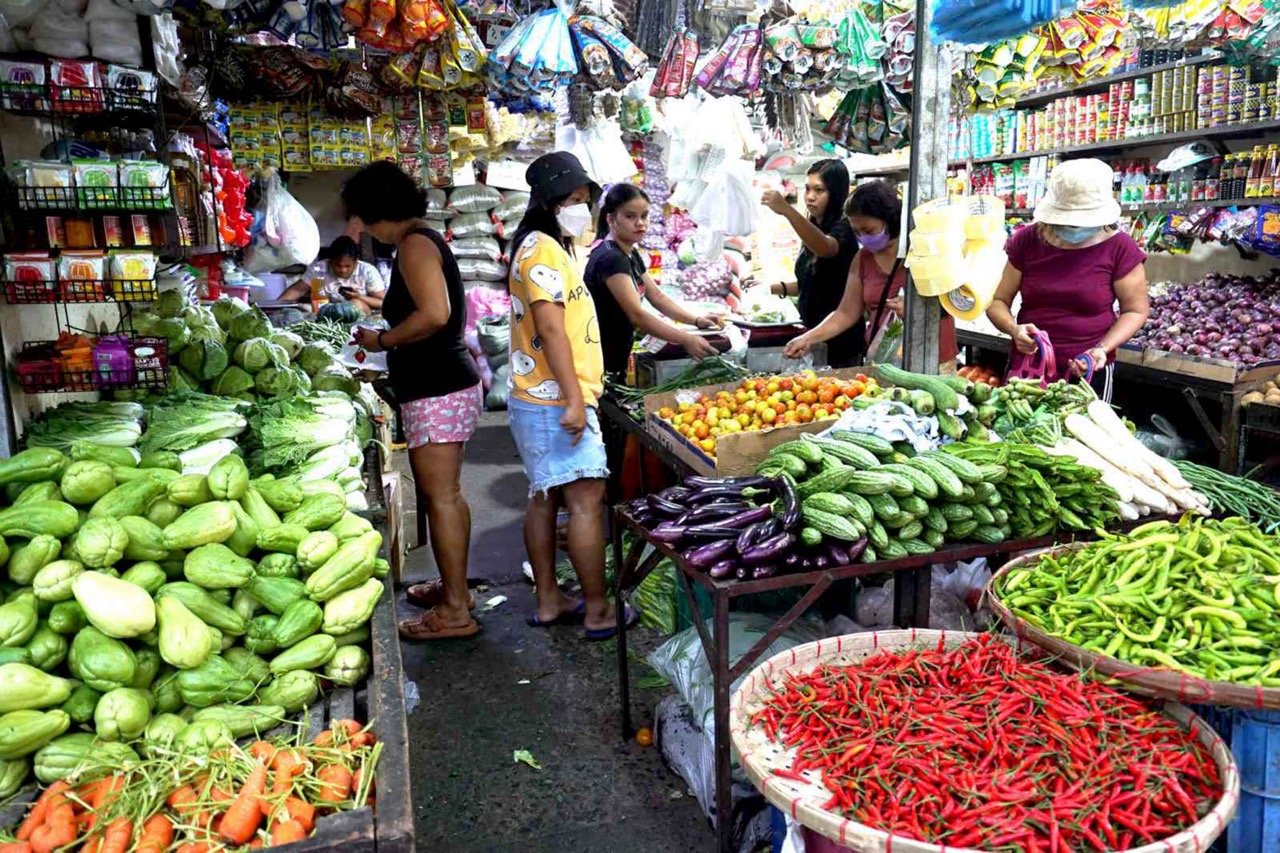
MANILA (December 6) – Easing prices of key food items slowed the Philippines’ inflation rate to 1.5% in November 2025, down from 1.7% in October, the Philippine Statistics Authority reported Friday.
Slower price increases were also noted in alcoholic beverages and tobacco, household furnishings and maintenance, as well as personal care and miscellaneous goods. This brought the year-to-date average inflation to 1.6%, well below the Bangko Sentral ng Pilipinas’ (BSP) 2–4% target range. Inflation in November 2024 stood at 2.5%.
The BSP said November’s figure fell within its 1.1%–1.9% forecast. It expects 2025 inflation to average below the target range due to earlier declines in rice prices, with inflation in 2026 and 2027 projected to stay within the 3% ±1 ppt band.
While potential electricity hikes and possible adjustments in rice import tariffs may pose risks, the BSP said inflation expectations remain “well-anchored,” with supply pressures expected to ease. It also noted a softer outlook for economic growth amid governance concerns in infrastructure spending and global uncertainties.
Department of Economy, Planning, and Development Secretary Arsenio Balisacan attributed the slower food inflation to government programs aimed at boosting supply and stabilizing prices, including the expansion of the Benteng Bigas, Meron Na! cheap-rice sites nationwide.
The Department of Agriculture has also strengthened ASF safeguards while enabling safe pork imports through regionalization measures. Meanwhile, the government is finalizing a policy to automatically enroll qualified 4Ps households in the Lifeline Rate Subsidy, allowing them to receive free electricity.
Balisacan said the continued moderation of inflation reflects the government’s commitment to protect consumers and reinforce economic resilience through coordinated policies.