DAVAO CITY(December 17) — In a coastal village in Maguindanao del Sur, a young mother attends evening classes after a day of vending fish. In an upland IP community in Bukidnon, children study using lessons adapted to their culture and language. In a crowded urban poor neighborhood, an out-of-school teen balances work and learning through flexible schedules.
These are the learners the Department of Education (DepEd) hopes to reach with its P1.04-billion Special Needs Education budget for 2026—a funding push designed to bring education closer to communities long left on the margins.
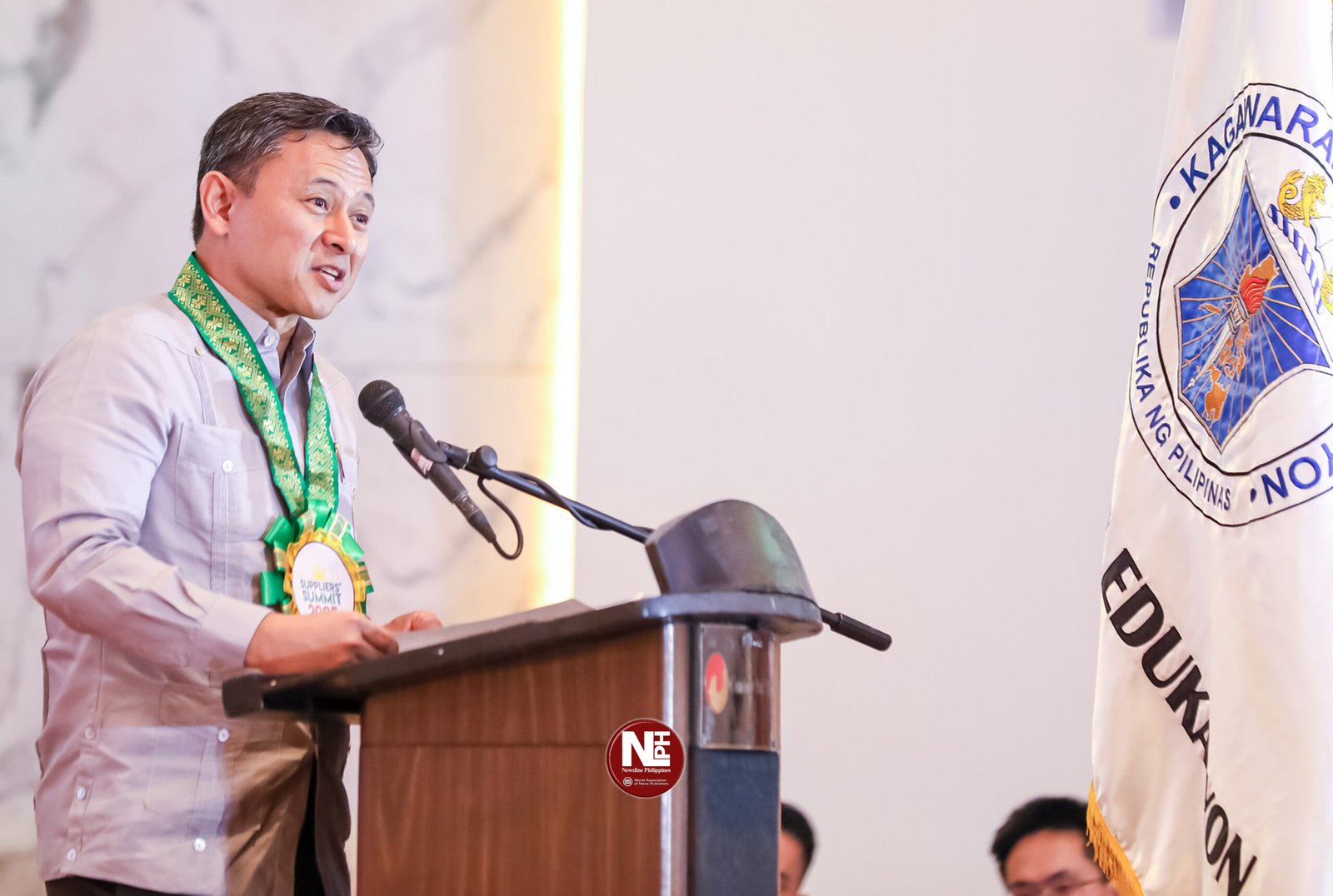
Education Secretary Juan Edgardo Angara said the allocation will reinforce programs that support learners with disabilities, Indigenous Peoples, Muslim learners, and out-of-school youth and adults who face the greatest barriers to education.
Second chances through ALS in BARMM and the cities
A large portion of the budget—P897 million—will support the Alternative Learning System (ALS), which has become a lifeline in BARMM provinces, urban poor communities, and conflict-affected areas.
In many BARMM barangays, ALS classes are held in community centers or mosques, allowing learners who work, raise families, or were displaced by conflict to continue their studies. Nationwide, nearly 640,000 learners are expected to benefit, including thousands from Bangsamoro communities and informal settlements in major cities.
DepEd will also strengthen the skills of 500 ALS implementers, many of whom serve in geographically isolated and disadvantaged areas.
Opening doors for Muslim learners
Support for Muslim education remains a key priority in the region. The Madrasah Education Program will receive P521.62 million, benefiting more than 194,000 learners in 4,046 public schools, including many in BARMM.
The program integrates Arabic language and Islamic values education into the public school system, helping Muslim learners stay in school while preserving their faith and cultural identity.
Education that respects IP identity
For Indigenous communities, education often means more than classrooms—it means recognition.
DepEd will allocate P154 million to the Indigenous Peoples Education (IPEd) program, supporting more than 482,000 IP learners nationwide. In IP communities, the program promotes the use of mother tongue, culturally appropriate learning materials, and community participation to ensure education does not come at the cost of identity.
Community elders and local teachers play a key role in shaping lessons that reflect IP history, traditions, and ways of life.
Inclusive learning for children with disabilities
DepEd is also expanding inclusive Learning Resource Centers, equipped with e-libraries, Braille books, and assistive learning materials. These facilities are especially critical in underserved areas where access to specialized services is limited.
Partnerships with groups such as Special Olympics Pilipinas aim to support learners with intellectual disabilities through sports and social inclusion programs.
Finding children before they drop out
In both rural and urban poor communities, many children with disabilities remain out of school because they are never formally identified.
To address this, DepEd continues to implement the Child Find System, which locates and assesses learners with disabilities who are not receiving education services. The AI-assisted “Sabay” Project is also being rolled out to help detect developmental delays early, allowing timely support before learning gaps widen.
Teachers and communities at the center
DepEd officials emphasize that inclusive education depends on people on the ground. Ongoing teacher training, curriculum adaptation, and community engagement are being strengthened to ensure schools can respond to diverse learning needs.
Parents, barangay leaders, religious groups, and IP organizations are being encouraged to help reduce stigma and support learners both inside and outside the classroom.
Hope rooted in the community
For many families in BARMM, IP communities, and urban poor areas, education has long felt distant—limited by poverty, geography, or conflict.
The 2026 DepEd budget does not solve all these challenges. But by investing in inclusive education, the government is taking a step toward bringing schools closer to where learners actually live—giving more children, youth, and adults a real chance to learn, belong, and build a better future.