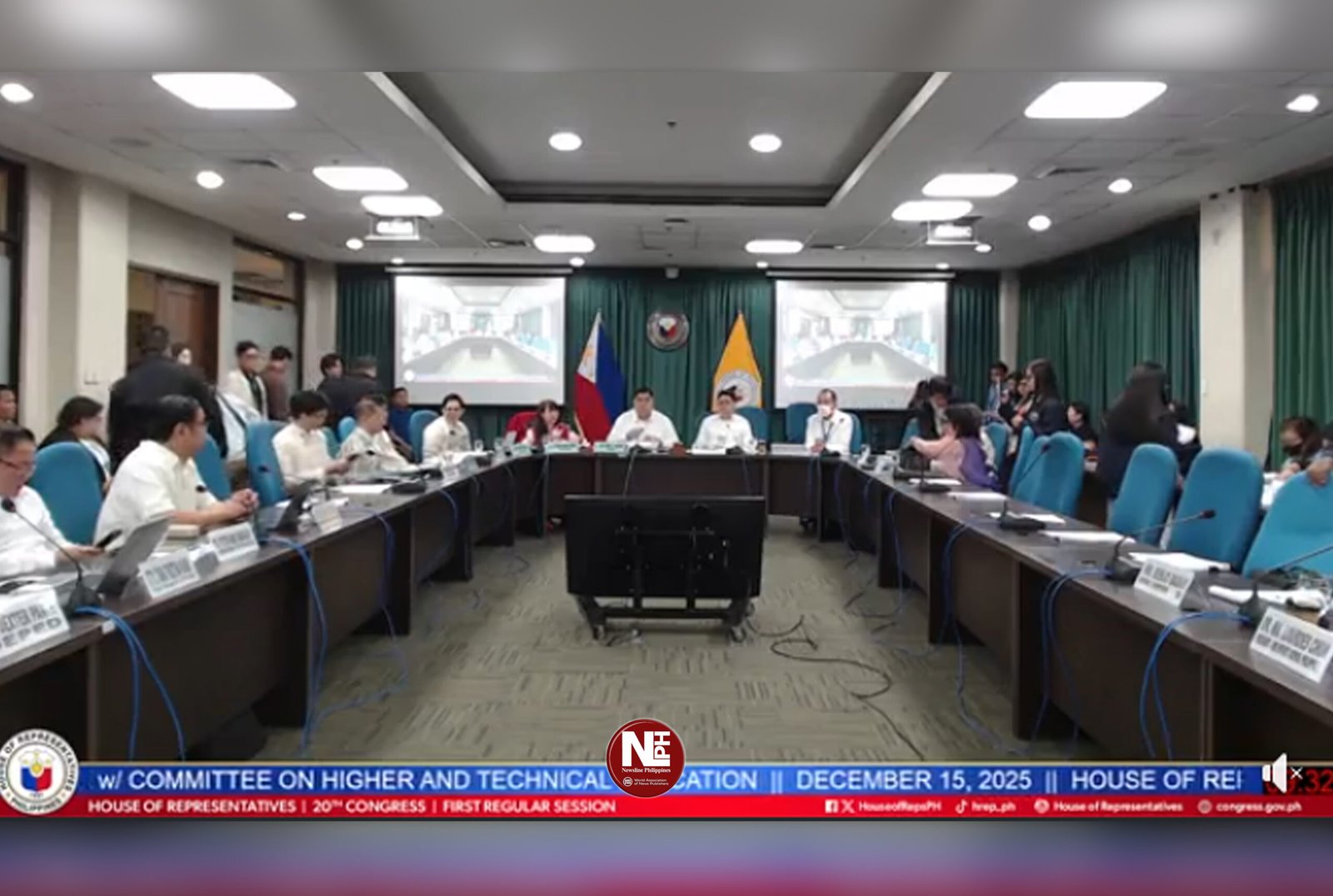
DAVAO CITY(December 22) — Lawmakers at the House of Representatives are pushing to fast-track a proposed national student allowance bill, a move supporters say could be a game-changer for young Filipinos struggling to afford higher education.
The measure, now under committee review, aims to provide eligible students with regular financial support to help cover tuition, books, and basic living expenses.
For many youth, especially those from low-income and underserved communities, these costs are often the biggest reason for stopping or delaying college.
During recent hearings, students themselves were among those consulted, alongside teachers and university officials. Discussions focused on who should qualify, how much assistance students would receive, and how the government could sustainably fund the program.
Lawmakers said the goal is to design an allowance system that is fair, transparent, and reaches those who need it most.
“With the rising cost of education, many students are forced to juggle multiple jobs or drop out entirely,” one committee member said during deliberations.
“This bill is about giving young people a real chance to focus on learning, not just surviving.”
Advocates note that tuition hikes, expensive learning materials, and daily expenses continue to widen the gap between students who can afford college and those who cannot.
A national student allowance, they said, could help reduce dropout rates and ease the mental and financial stress that many young people face.
The committee has committed to completing its review and bringing the bill to a vote before the full House. If approved, the program could reshape how the government supports students—shifting from limited aid to a more inclusive system that recognizes education as a shared national investment.
For many youth watching the bill’s progress, the proposal represents more than financial aid. It signals recognition that talent and potential should matter more than family income in deciding who gets to finish school and build a future.