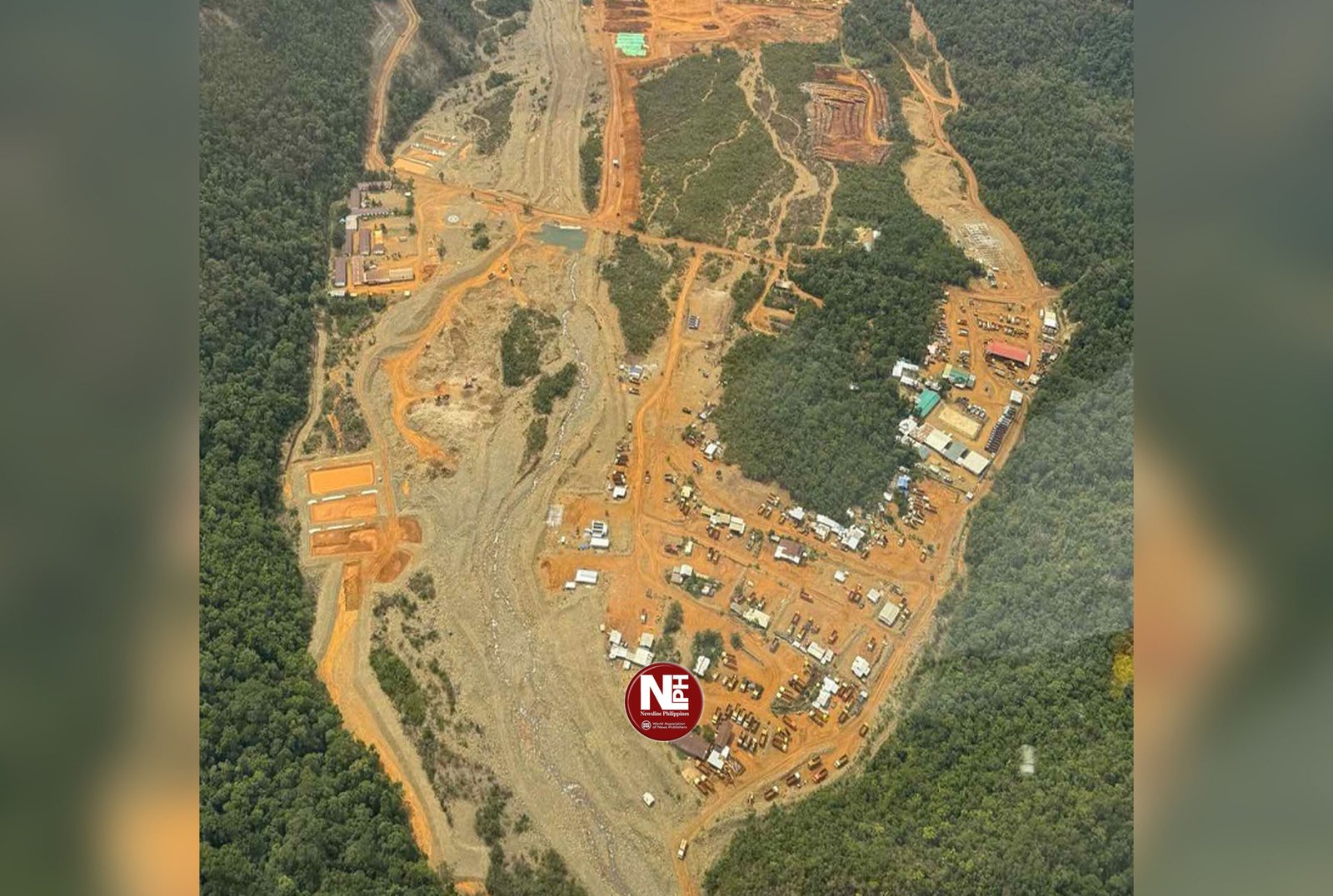
DAVAO CITY(January 10) – A nickel mining firm operating in Mati City said it allocates at least PHP20 million annually for Indigenous Peoples (IP) support services, even as mining operations in the province continue to face heightened scrutiny over environmental protection, transparency, and long-term community impact.
In a statement Thursday, Hallmark Mining Corporation (HMC) said its Social Development and Management Program (SDMP) funds scholarships, healthcare, water systems, road repairs, and livelihood projects in host communities, in line with legally mandated royalty-sharing requirements.
“Mining may be temporary, but community gains must endure,” the company said, citing investments in rehabilitation, skills training, and alternative livelihoods.
Environmental safeguards under watch
HMC said its operations are covered by government-approved Mineral Production Sharing Agreements (MPSAs) and are fully compliant with standards set by the Department of Environment and Natural Resources, including erosion control, watershed monitoring, dust management, land rehabilitation, and native tree planting.
However, environmental advocates and community groups have repeatedly warned that nickel laterite mining carries inherent risks—including soil erosion, sediment runoff, and pressure on water sources—particularly in coastal and upland areas vulnerable to heavy rainfall and extreme weather.
Under Philippine mining rules, companies are required not only to fund SDMP projects but also to demonstrate verifiable rehabilitation outcomes, continuous water-quality monitoring, and meaningful participation of IP communities in project planning and oversight.
Social impact beyond compliance
While SDMP-funded services can help address immediate community needs, development workers note that material assistance alone does not automatically translate to long-term self-sufficiency, especially once mining operations wind down.
Indigenous leaders have emphasized that the true measure of benefit lies in whether livelihoods, skills training, and infrastructure remain viable after extraction ends, and whether communities retain decision-making power over ancestral lands through Free, Prior and Informed Consent (FPIC) processes.
“The challenge is ensuring that benefits are not just compensatory, but transformative,” a local civil society monitor said, noting that transparency in fund allocation and independent monitoring remain key concerns.
Nickel and the clean energy paradox
HMC said nickel ore mined in Mati has entered global supply chains for electric vehicles (EVs) and renewable energy systems, with shipments sent to processing hubs in China and Indonesia from 2022 to 2025.
Once primarily used for stainless steel, nickel is now a critical component in EV batteries—placing the Philippines, the world’s second-largest nickel producer in 2023 with about 330,000 metric tons of output, at the center of the global clean energy transition.
But analysts caution that “green” technologies still depend on extractive industries, underscoring the need for stricter environmental safeguards, stronger community consent mechanisms, and clear post-mining land-use plans to ensure that climate solutions do not create local ecological and social costs.
As nickel demand rises, stakeholders say the real test for mining firms operating in Mati and elsewhere is whether community investments, environmental protection, and accountability mechanisms can keep pace with global market pressures.