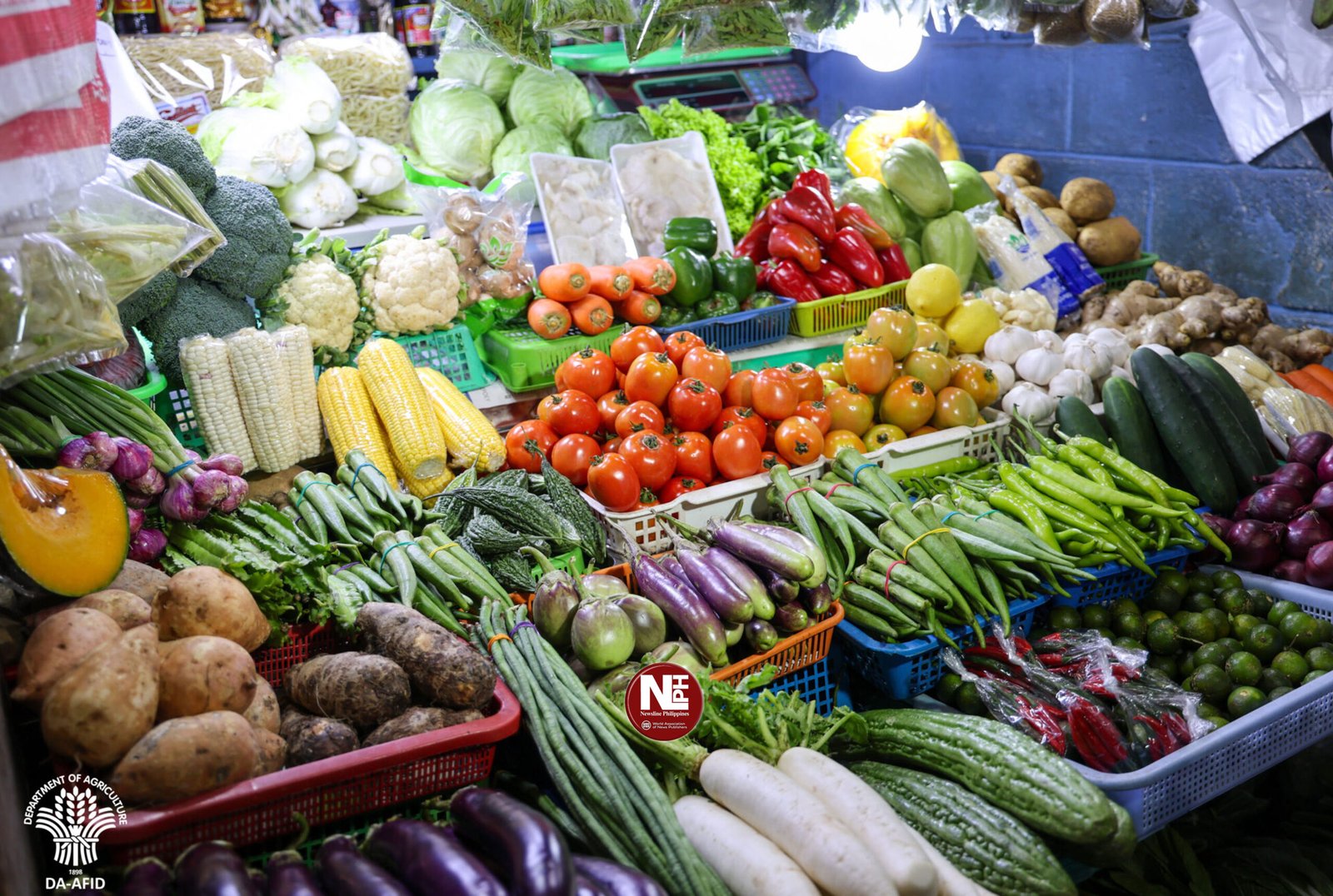
DAVAO CITY (January 12) — Retailers in Davao and other parts of Mindanao are feeling the pressure as the Department of Agriculture (DA) tightens oversight of basic food prices, warning that unjustified hikes in rice, vegetables, fish, and meat will not be tolerated.
Agriculture Secretary Francisco Tiu Laurel Jr. said the DA is focusing on major urban markets—including Davao City, Cebu, and Metro Manila—where sudden price spikes most affect consumers.
“We have already issued show-cause orders. I want the summaries of their explanations submitted to me so we can study what cases to file. I want cases filed,” Tiu Laurel said. He stressed that incomplete or misleading reports could lead to further investigation, including possible perjury charges for false statements under oath.
Inflation pressures and local impact
The crackdown comes as inflation edges higher. In December, headline inflation rose to 1.8 percent from 1.5 percent in November, driven largely by rising food prices. Food inflation climbed to 1.2 percent, reversing a November decline, with vegetables and flour products pushing costs up.
Local shoppers in Davao say the DA’s monitoring has been noticeable. “I used to pay P250 per kilo of onions last week, now it’s down to P180. It helps, but sometimes prices still jump from day to day,” said Marilou Santos, a mother of three who shops at Agdao Public Market.
Vendors say the department’s oversight is prompting them to justify prices more carefully. Joey Calungsod, a fish seller at Bolton Public Market, said authorities asking questions has “already changed how we report our stock and prices. We have to be transparent with our suppliers and customers, or we could face trouble.”
Tiu Laurel pointed to recent declines in rice and onion prices as evidence that monitoring works. “Prices have gone down—from P300 to P200 a kilo, and now even lower in some areas. Clearly, there is an effect when there is monitoring and pressure. We just have to keep at it to protect consumers and ensure fair trade,” he said.
Limited enforcement, wider coordination
While the DA has limited enforcement powers, the department is coordinating with other agencies to implement rules against profiteering under the Price Act. Tiu Laurel also reiterated the need for stronger enforcement authority, noting proposed legislation to establish a dedicated unit similar to the Department of Trade and Industry’s Fair Trade Enforcement Bureau.
Consumers in Davao welcome the heightened oversight but remain cautious. “It helps a little when prices drop, but it doesn’t always last,” said Rolando Cruz, a tricycle driver. “We need the government to keep checking so prices don’t go up again too quickly.”
For retailers and shoppers alike, the DA’s crackdown is more than a warning—it is a reminder that price transparency is under scrutiny, and that compliance is no longer optional in a region where rising food costs directly affect daily survival.