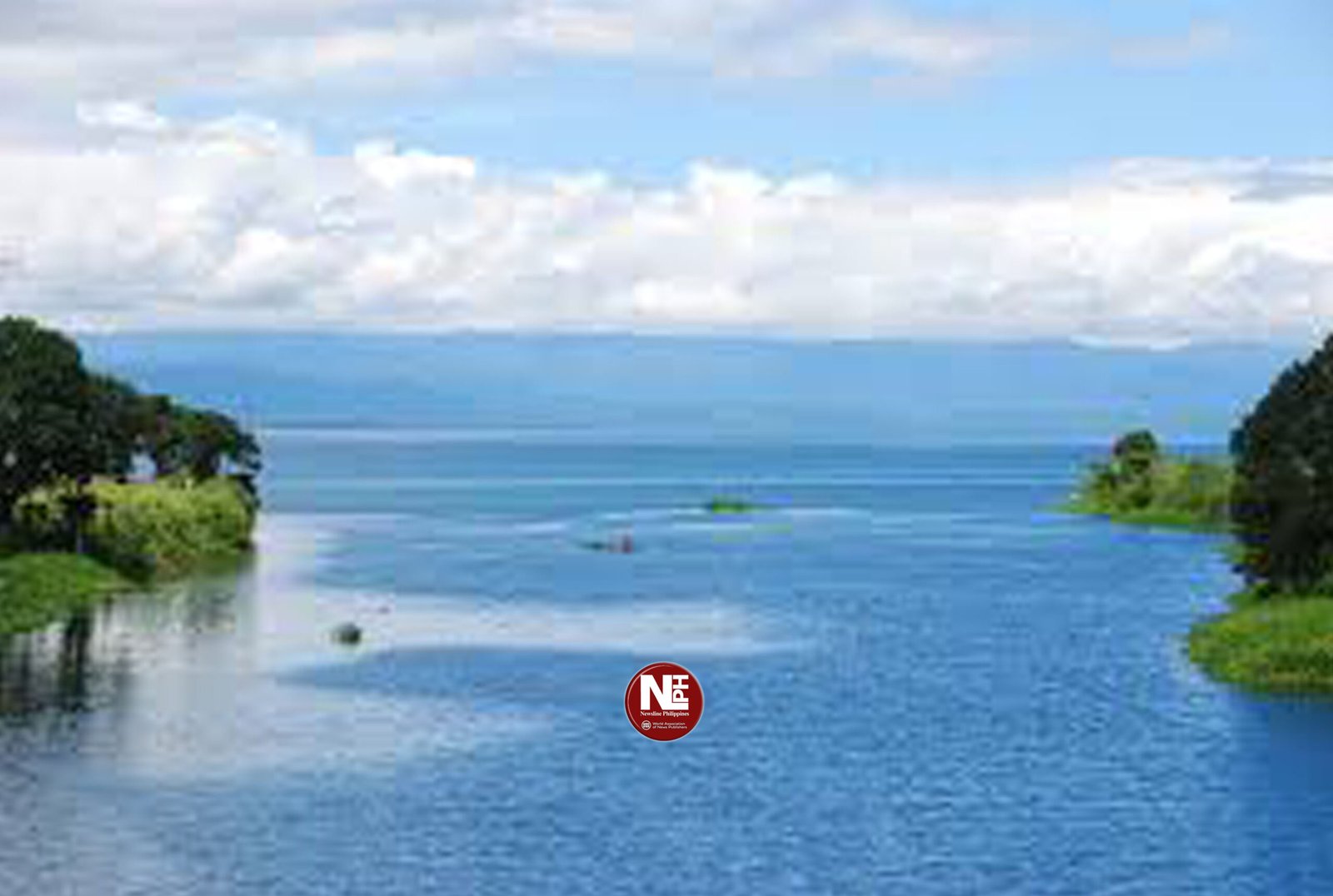
CAGAYAN DE ORO (January 14) — Eight years after the Marawi siege displaced thousands of families, the government is turning to Lake Lanao as a cornerstone of long-term recovery, allocating P500 million for a fisheries and aquaculture project designed to restore livelihoods while protecting the fragile freshwater ecosystem.
The funding for the Marawi Fisheries and Aquaculture Project was announced by the Bureau of Fisheries and Aquatic Resources (BFAR), which said the program aims to move beyond short-term aid by building sustainable, community-managed fisheries for displaced and host communities in Marawi City.
“This is livelihood with a future,” BFAR said, describing the project as part of a national push to reduce pressure on overfished waters while creating steady income for inland and coastal communities.
From relief to resilience
For many families around Lake Lanao, fishing has long been both food source and livelihood. But years of displacement, declining fish stocks, and limited access to capital have weakened that safety net.
Under the P500-million program, BFAR said it will prioritize:
- freshwater aquaculture and fish cage development,
- hatchery and fingerling support to rebuild stocks,
- skills training for displaced residents and fisherfolk, and
- community-based fisheries management to prevent overexploitation.
Fisheries workers say the approach reflects a shift from emergency assistance to self-sustaining food and income systems.
“Kung walay tarong nga pagdumala, mahurot ang isda ug balik gihapon sa kahimtangan nga walay kita,” a local fisheries technician said. “Ang tumong karon kay panginabuhian nga molungtad.”
Science-based management
BFAR said the Marawi project will align with its Fisheries Management Area (FMA) framework, now in its fifth year, which promotes science-based, area-focused governance that balances food security with environmental protection.
Nationwide, the agency reported gains in aquaculture modernization in 2025, including:
- expanded hatchery operations,
- improved broodstock development to ensure healthier fish production, and
- feed mill projects meant to lower costs and reduce reliance on imported feeds.