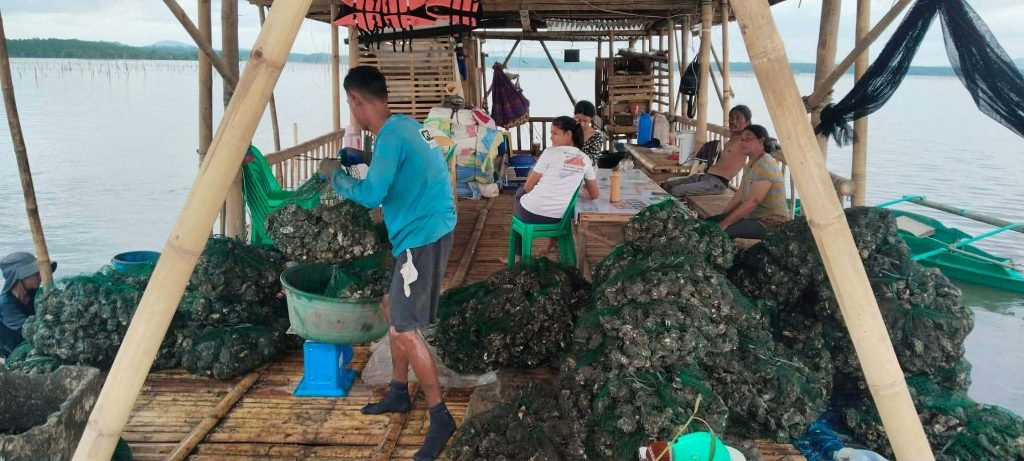
ZAMBOANGA CITY (February 26) — A province known for its plump, briny oysters is taking its signature industry to record-breaking heights.
On February 26, 2026, Zamboanga Sibugay will attempt to set a Guinness World Record for the longest line of bivalve (talaba) shells — stretching 1.3 kilometers and built from an estimated 45 metric tons, or about 360,000 oysters harvested by local fisherfolk.
The bid transforms what has long been a festive oyster grill into a calculated economic pitch. Widely branded as the country’s “Talaba Capital,” the province is leveraging its 25th Araw ng Zamboanga Sibugay, its silver founding anniversary, to project its aquaculture strength onto the global stage.
Oysters will be sourced from coastal towns such as Kabasalan, Siay, and Mabuhay, where oyster farming anchors household incomes and sustains small marine enterprises. Provincial Agriculturist Engr. Wesley Sayson said the record attempt will line up empty shells only after the fresh meat is consumed.
“No wastage,” he stressed, noting that the oyster meat will be eaten first before the shells are collected and arranged for official measurement.
The approach blends spectacle with sustainability — ensuring value from harvest to celebration while showcasing production capacity. In previous festivals, thousands of oysters were grilled along extended setups at the capitol grounds in Ipil. This year’s attempt scales that tradition into a certified world record challenge.
Provincial Information Officer-designate Marcy Evans Hannie G. Lazo said the initiative goes beyond headlines.
“It’s about celebrating the hard work of our local oyster farmers, boosting tourism, and inviting the world to experience what Sibuguey waters can offer,” she said.
With oysters measuring five to seven inches long, Sibugay has steadily built a reputation for quality and volume in regional markets.
Officials view the Guinness bid as economic messaging at scale — signaling that the province’s fisheries sector is organized, productive, and investment-ready.
When the shells are finally lined up and grills fired for public sharing, the event will double as a community feast — reinforcing that the industry’s success belongs to the people who cultivate and harvest it.
If successful, the 1.3-kilometer line of talaba shells will not just enter the record books. It will underscore Zamboanga Sibugay’s ambition to turn marine bounty into global branding power.