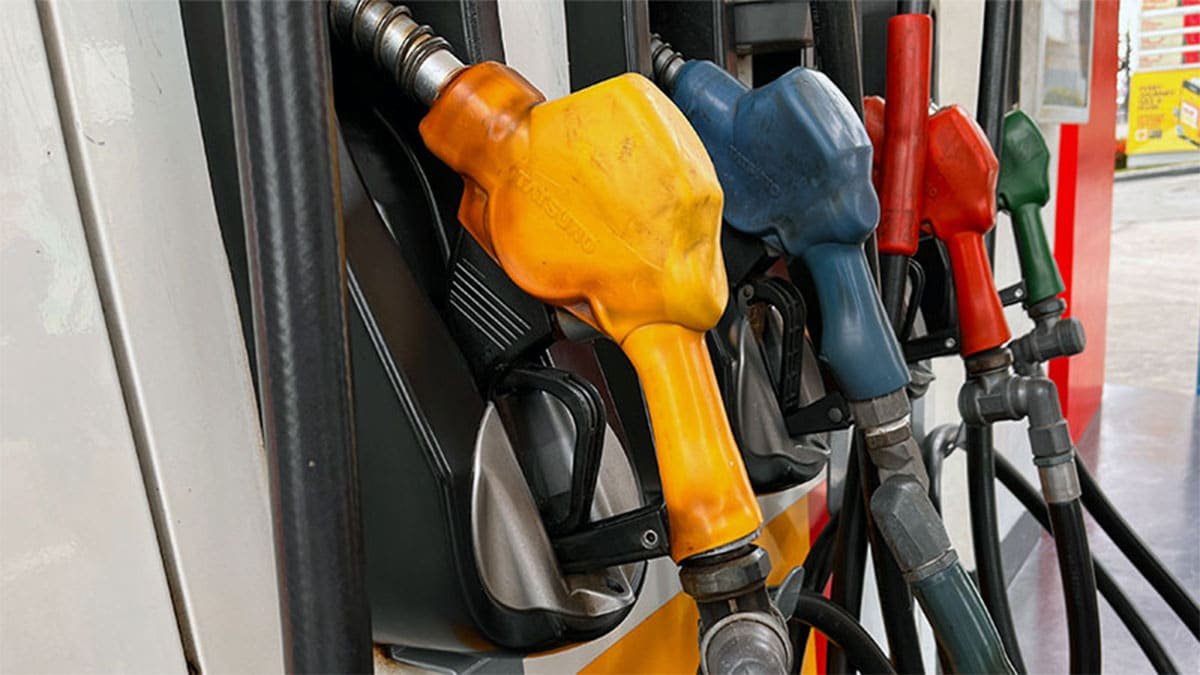
DAVAO CITY (February 28) — For jeepney drivers, delivery riders and families budgeting down to the last peso, the pain at the pump isn’t easing anytime soon.
Fuel prices are projected to rise for the seventh consecutive week, with industry estimates pointing to another sharp increase next week: gasoline by P1.40 to P1.60 per liter and diesel by P0.80 to P1.00 per liter.
The projections are based on four-day trading of the Mean of Platts Singapore (MOPS), the regional benchmark for refined fuel pricing. Local oil companies earlier raised gasoline by P0.60 per liter and diesel by P1.20 per liter this week — extending a streak that has steadily pushed transport and delivery costs higher.
Industry sources cite continuing tensions between the United States and Iran as a key driver, with global supply concerns lifting crude prices and filtering down to retail pumps in the Philippines.
Ripple effect on communities
For public utility vehicle drivers, diesel hikes cut directly into daily take-home pay. Higher pump prices mean larger boundary payments and slimmer margins — or, in some cases, pressure to seek fare adjustments.
Small businesses that rely on daily deliveries — from wet market vendors to online sellers — are also feeling the squeeze. Transport surcharges quietly creep into supply chains, eventually reflecting in the price of basic goods.
In many households, rising gasoline costs translate into tighter weekly budgets. Families that depend on motorcycles or cars for work and school runs are recalculating expenses, often trimming spending elsewhere.
Economists have long warned that prolonged fuel increases can stoke inflation, as transport costs influence food distribution, logistics, and electricity generation in certain areas.
No quick relief in sight?
With global oil markets reacting to geopolitical tensions and supply uncertainties, analysts say volatility may persist in the near term. The Philippines, which imports the bulk of its fuel requirements, remains vulnerable to international price swings.
If the projected adjustments push through, motorists nationwide will be marking seven straight weeks of increases — a streak that underscores how faraway conflicts can ripple into everyday life at the local pump.
For communities already navigating high living costs, the message is clear: the road ahead may get more expensive before relief arrives.