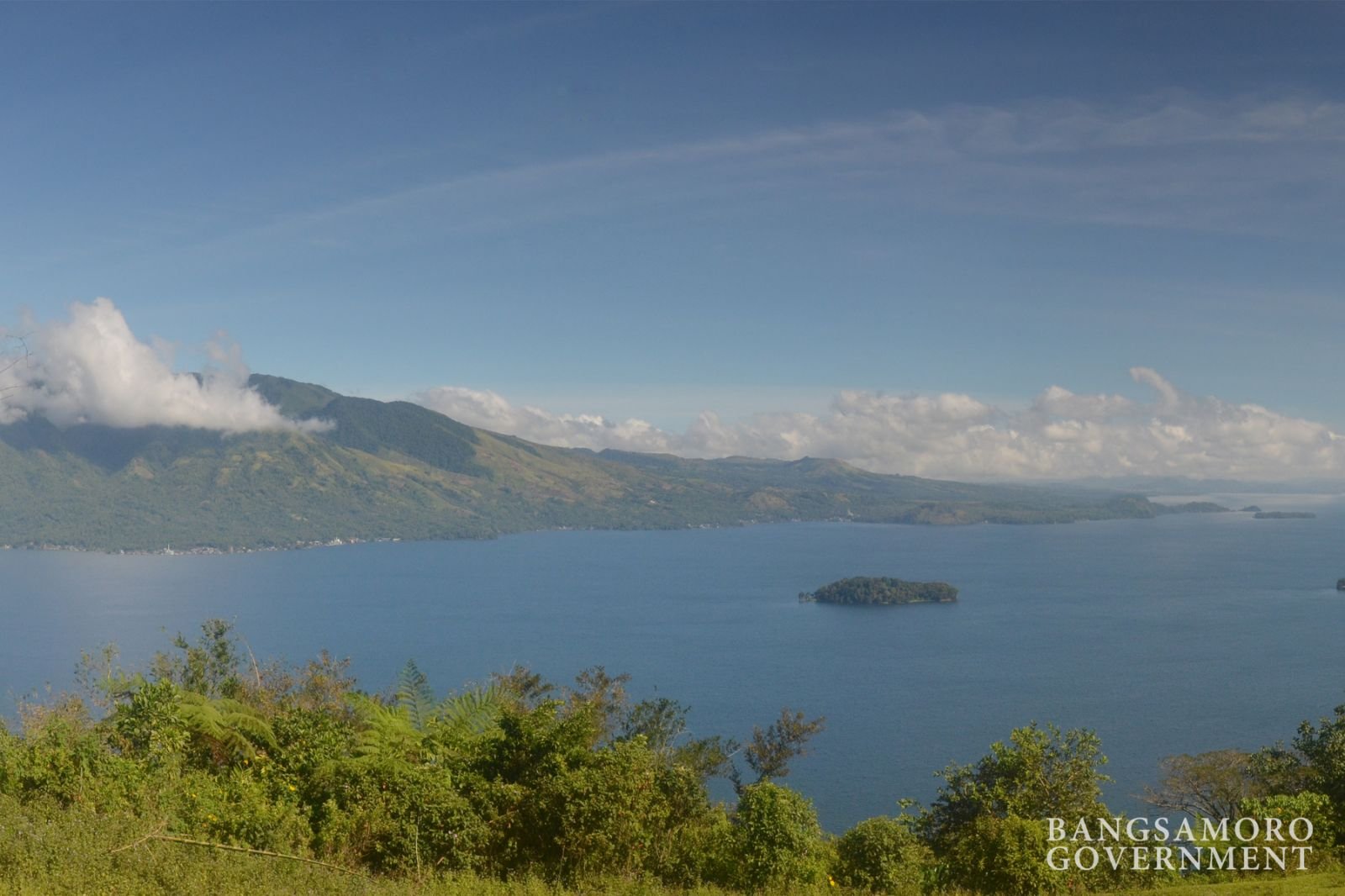
MARAWI CITY(March 14) — A new government-backed fisheries hub is expected to transform the largely underdeveloped aquaculture potential of Lake Lanao, as the Bureau of Fisheries and Aquatic Resources begins work on an Integrated Cold Hub Complex aimed at revitalizing livelihoods and strengthening food production in Marawi City.
The three-year project, scheduled for completion by 2029, seeks to build the infrastructure needed to support a full aquaculture value chain for communities surrounding the lake—long considered a rich but underutilized resource due to limited facilities and technical capacity in the fisheries sector.
“Our goal is to support the continued recovery of Marawi City by turning Lake Lanao into a source of strength,” said Elizer Salilig, national director of the Bureau of Fisheries and Aquatic Resources.
“This is an investment in the future of the Maranao people. Through this fishing hub, we are anchoring the peace we have built with the weight of economic opportunity and sustainable food security,” he added.
The Integrated Cold Hub Complex is designed to strengthen fisheries production and distribution in Marawi and nearby lakeshore towns by establishing end-to-end support facilities, from fish production and harvesting to cold storage, processing, and transport.
Among the project’s key components are fish cages and solar-powered floating caretaker houses in 10 pilot aquaculture areas, as well as the rehabilitation of wharves in 11 lakeside sites to improve fish landing and logistics.
The program will also deploy refrigerated vans, harvest boats, and speed boats to speed up the movement of fish products and prevent spoilage.
At the Marawi Port, the agency plans to build an ice plant, fish health laboratory, and fish processing facility, forming the backbone of a cold chain system that officials say is critical for maintaining product quality and expanding market access.
Beyond infrastructure, the project also focuses on developing human capital in the fisheries sector. Fisherfolk cooperatives around Lake Lanao will undergo training in aquaculture production, business planning, and post-harvest management to ensure the sustainability of the emerging industry.
The initiative is also seen as part of broader efforts to revive the local economy following the devastation of the Battle of Marawi in 2017, which displaced thousands of residents and disrupted economic activity in the area.
To implement the program, BFAR is partnering with Mindanao State University as a technical adviser, while coordinating with the Bangsamoro Autonomous Region in Muslim Mindanao for policy alignment.
The project is also being carried out with support from the Office of the Presidential Adviser on Marawi Rehabilitation and Development and local government units in Marawi City and surrounding municipalities.
Procurement for key equipment, including fish cages and service vehicles, began in February, with the aquaculture ecosystem expected to become fully operational by the third year of the program.
Officials say the fishing hub could generate jobs not only for fishers directly involved in aquaculture production but also for vendors, transport operators, and other workers linked to the fisheries supply chain—potentially turning Lake Lanao into a new engine of growth for the region.