COTABATO CITY (March 27) — The resetting of the first parliamentary elections in the Bangsamoro Autonomous Region in Muslim Mindanao has drawn guarded optimism from regional leaders, even as it underscores lingering concerns over repeated delays in the region’s fragile democratic transition.
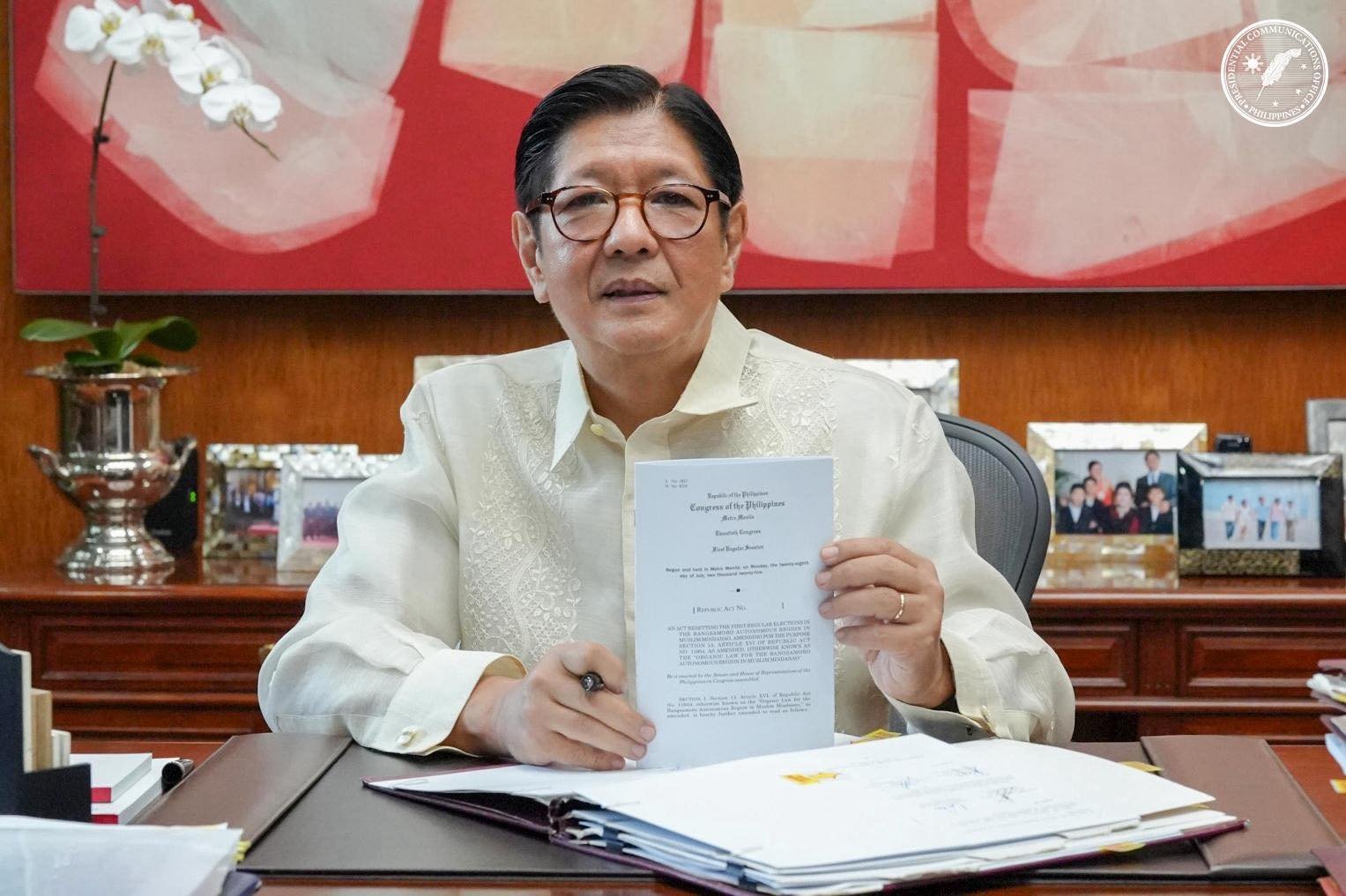
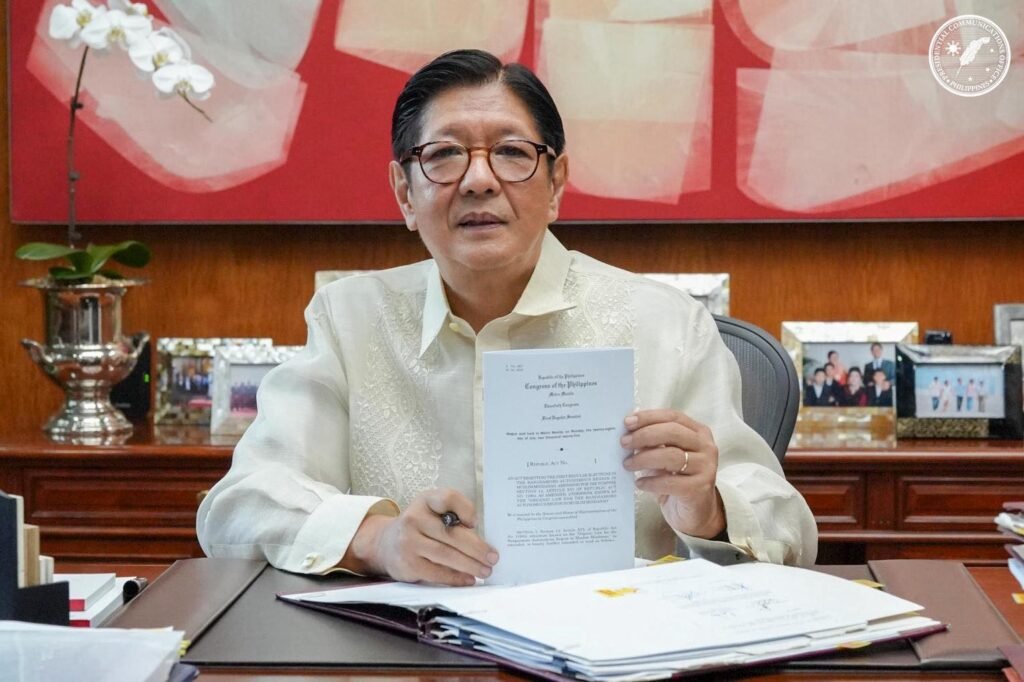
President Ferdinand R. Marcos Jr. signed Republic Act No. 12317, moving the long-awaited polls to September 2026 and amending key provisions of the Bangsamoro Organic Law. The law also aligns future Bangsamoro elections with national and local polls starting in 2031.
While officials welcomed the move as necessary, the reset marks yet another shift in a process meant to institutionalize self-governance following decades of conflict in the region.
‘More time’ or prolonged transition?
Esmael Mangudadatu described the delay as “timely,” pointing to the need for candidates and newly eligible voters — particularly the youth — to prepare and register.
But the extension also effectively prolongs the tenure of the interim Bangsamoro government, raising broader questions about accountability and the pace of democratic normalization.
Mangudadatu framed the upcoming polls as a critical opportunity for the region’s Muslim population to choose leaders capable of delivering services and sustaining gains in governance.
Government assures readiness
Officials from the Bangsamoro government insist preparations have not stalled.
Acting Senior Minister Abdullah M. Cusain said coordination with the Commission on Elections has continued despite previous postponements, with efforts focused on ensuring a credible, peaceful, and transparent electoral process.
His statement reflects a broader push by the regional government to maintain confidence in the transition, even as timelines shift.
MILF-backed party sees momentum
For the United Bangsamoro Justice Party, the political arm of the Moro Islamic Liberation Front, the new schedule restores momentum after months of uncertainty.
Party spokesperson Mohajirin Ali said the group had long pushed for the elections and was prepared even during earlier schedules.
He emphasized that a fresh electoral mandate is essential to strengthening governance in BARMM, arguing that leaders elected directly by the people would carry greater authority to address the region’s challenges.
High stakes for peace and governance
The parliamentary elections are widely seen as a cornerstone of the peace process that followed the 2014 Comprehensive Agreement on the Bangsamoro. They are expected to transition the region from an appointed interim authority to a fully elected government.
Yet repeated postponements risk eroding public trust, particularly among communities expecting faster institutional reforms and improved service delivery.
At the same time, officials stress that holding rushed or poorly prepared elections could undermine credibility — a risk that could carry deeper consequences in a region where political stability is closely tied to peace.
A delicate balancing act
For now, stakeholders are projecting unity and optimism. But the reset highlights the delicate balancing act facing BARMM: ensuring credible elections while sustaining momentum in governance and peacebuilding.
As September 2026 approaches, the focus will shift from timelines to execution — and whether the region can deliver an election that meets both democratic expectations and the long-term goals of autonomy.