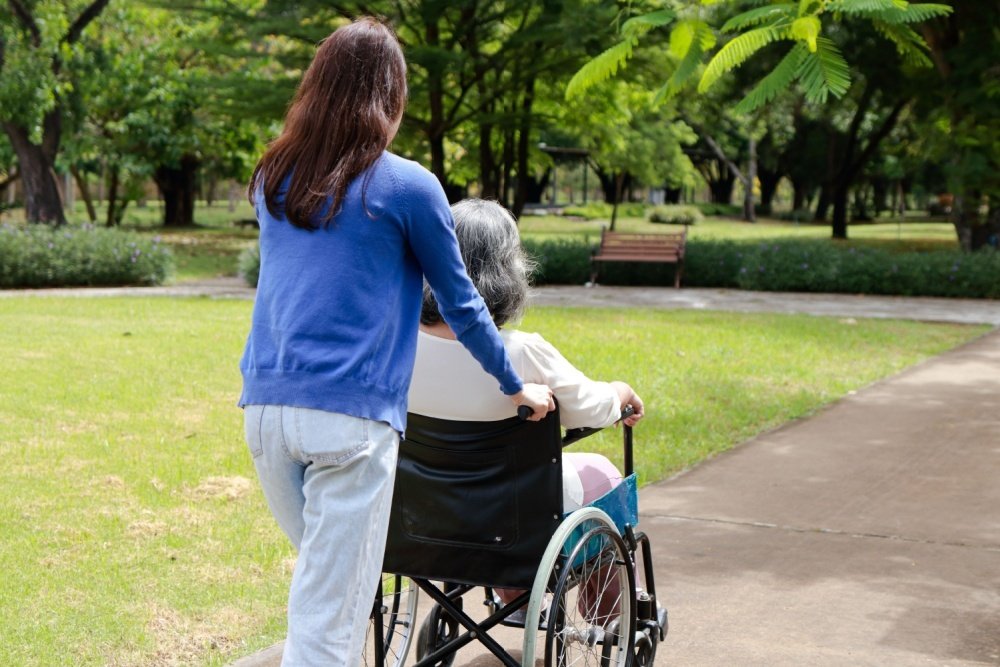
SOCCSKSARGEN women carry growing burden of elderly care

Date:

Share post:

File photo

GENERAL SANTOS CITY (April 27)  — In Barangay Lagao, 39-year-old fish vendor “Nerissa” stretches her daily earnings to cover not just her children’s needs—but also her mother’s maintenance medicines.

“Kapag mahina ang benta sa palengke, kinakapos talaga,” she said. “Pero hindi puwedeng pabayaan ang magulang.”

Across SOCCSKSARGEN, stories like Nerissa’s are becoming more common, as more women step in as the primary financial support for their aging parents—often without enough savings to sustain the role long-term.

A study by Sun Life Philippines found that 85 percent of Filipino women expect to shoulder elderly care costs, yet only one in five is setting aside money for it.

In a region where many households rely on daily income—from fishing, vending, and small businesses—the gap between responsibility and financial readiness is especially stark.

In Barangay Poblacion, Koronadal City, 44-year-old public school utility worker “Liza” said rising health expenses for her father forced her to stop contributing to her savings.

“Yung ipon ko sana, napunta lahat sa gamot at check-up,” she said. “Hanggang ngayon, hindi ko pa ulit nasisimulan.”

The study underscores the pressure:

  • 83% of women say caregiving affects their financial security 
  • 68% say it slows career progress 
  • 68% say it impacts personal well-being 

Health care costs remain a major strain, with 67 percent listing them among their top financial challenges. Many are forced into difficult trade-offs—7 in 10 women say they have skipped their own medical needs to prioritize family.

In Barangay Dadiangas West, a small pharmacy owner noted more customers buying medicines in smaller quantities or on credit.

“Dati good for one month ang binibili,” she said. “Ngayon, good for one week na lang—minsan pa-utang pa.”

Despite the strain, women continue to anchor household finances. The study found that more than half manage the daily expenses of their aging parents, while 59 percent have the final say in financial decisions—rising to 87 percent among breadwinners.

Yet many feel unprepared for their own future.

Only 54 percent believe they can cover their needs until age 75, and just 27 percent think they can sustain themselves beyond 90. Only 9 percent feel fully prepared for emergencies.

“Filipinas need support that reflects their real-life challenges,” said Carla Gonzalez-Chong.

For Nerissa, the reality is simple: today’s earnings go to today’s needs.

“Gusto ko rin mag-ipon,” she said. “Pero sa ngayon, basta may pambili ng gamot at pagkain, okay na muna.”

RIZAL MEMORIAL COLLEGEspot_img

Related articles

Aleson Resumes Domestic Sailings, but Sabah Repatriation Run Still Hangs on Maritime Clearance

Kota Kinabako, Malaysia (August 16) — Maritine authorities has authorized the resumption of passenger operations by Aleson...

Bonoan: Tanang Senador nakakuha og bahin sa ‘Leadership Fund’

DAKBAYAN SA DAVAO (Agosto 15)—Tanang Senador nakakuha og bahin sa miaging Kongreso og dili mo menus sa...

Mindanao Has the Minerals. Will Pax Silica Bring the Value?

DAVAO CITY (August 15) — Mindanao could become one of the Philippines’ most important sources of the minerals...

Quiboloy extradition: Treaty obligations, due process and the death penalty question

MANILA (August 15) — The Philippine government is preparing to surrender Pastor Apollo Quiboloy to the United States...