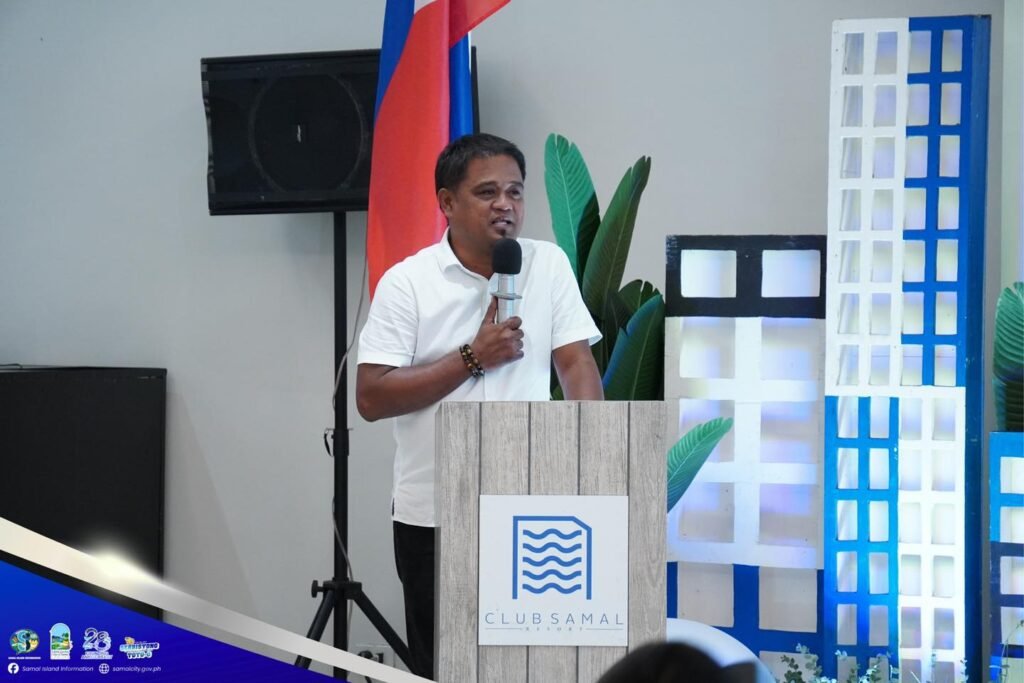
DAVAO CITY (May 7) — City Mayor Lemuel T. Reyes faced pointed concerns from resort owners and tourism stakeholders as the city government convened a listening session that doubled as a test of accountability in managing the fast-growing tourism sector in the Island Garden City of Samal.
Held May 5 at Club Samal Resort, the forum surfaced long-standing issues—from weak transport systems to rising online scams—raising questions about how quickly the local government can translate consultations into concrete action.
Scams, safety, and digital accountability
The most urgent concern: the proliferation of fake resort booking pages online. City officials disclosed that at least 68 fraudulent Facebook pages had already been taken down, but stakeholders warned that enforcement remains reactive.
The city’s response—a planned verification platform led by its IT office—signals a shift toward digital accountability. But for resort operators, the challenge is immediate: restoring tourist trust in a destination increasingly vulnerable to online fraud.
Infrastructure gaps under scrutiny
Beyond scams, stakeholders flagged persistent transport and infrastructure issues—limited late-night trips, unclear road signage, and inconsistent fares—problems that directly affect visitor safety and experience.
While the city cited a ₱30-million streetlight project as part of its response, business owners pressed for timelines, clearer transport regulation, and measurable improvements rather than one-off fixes.
Consultation vs. execution
Mayor Reyes framed the dialogue as part of a broader push for coordination and inclusive planning. Yet the session also highlighted a recurring tension in local governance: consultations are frequent, but stakeholders are looking for sustained follow-through.
Calls for unified tourism branding, stricter regulatory compliance, and more reliable tourist data reporting underscored the need for a more coherent, system-wide strategy—not just fragmented initiatives.
A test for sustainable tourism
As Samal positions itself as a premier island destination, the pressure is mounting on local leaders to ensure that growth is matched by governance capacity.
For stakeholders, the message was clear: dialogue is a start—but accountability will be measured by how quickly these concerns translate into safer systems, clearer rules, and a more trustworthy tourism environment.